Panel discussion on...
Beauty from within
Ilaria Campestri
B2B Health & Beauty, ESG Industrial Processes Expert

Member of AgroFOOD Industry Hi Tech's Scientific Advisory Board

Questions
1.
2.
3.
4.
5.
6.
7.
8.
9.
10.
11.
The New Era of Beauty Claims
Where do you see the next cycle of beauty claims heading? What specific benefits are consumers searching for today, and where do you predict the market will move over the next five years? Any exciting innovations you want to share in this regard?
The intersection of GLP-1 with Hair & Skin
With the global rise of GLP-1 weight-loss medications, consumers are experiencing rapid metabolic shifts that often trigger hair loss and "Ozempic skin". How do you see the nutricosmetic segment evolving to support the intersection of beauty and weight management/metabolic health?
Holistic Beauty & The "Well-Beauty" Journey
Real beauty isn't just skin deep. What innovations are you developing to bridge beauty and wellness (e.g., neuro-beauty, mood/stress support, beauty sleep, or the gut-skin axis)? Which ingredients or concepts are currently shifting from other health categories into the nutricosmetic space?
Redefining Beauty Rituals
Topical beauty influencers have set a high bar for self-care beauty rituals—how is the nutricosmetic segment catching up? From delivery formats and flavor profiles to fragrance and texture, what is needed to evolve ingestible solutions into a truly joyful daily ritual? And where do you experience the most challenge in this respect?
The K-Beauty Influence
South Korean trends continue to redefine topical skincare. How are these K-Beauty principles being translated into the nutricosmetic industry?
Integrated "In & Out" Journeys
We are moving away from isolated products toward "integrated journeys." What evidence supports the superior efficacy of oral-topical pairings? Furthermore, how can nutricosmetics be better integrated into the dermatology space, accompanying at-home or in-clinic procedures? Is there a difference between different regions in the world?
Nutricosmetics as a Platform for Inclusivity
Skin is the most visible representation of our diversity. How do you research, develop, and market ingredients in a way that thoughtfully addresses differences in gender, ethnicity, and life stages? Any trends you are seeing or innovations you are excited about?
AI & The Feasibility of Hyper-Personalization
In the era of AI, how close are we to truly personalizing "beauty from within"? What are the greatest challenges and opportunities you see in developing ingredients and creating supplements truly tailored to an individual’s unique needs and biological data? Any other uses of AI in this space that you are excited about?
Sustainability & Clean Beauty 3.0
How is your organization addressing the demand for upcycling and "Clean Beauty 3.0"? Are there specific innovations in ingredients, technologies, or research methodologies that you believe the industry must adopt to meet the next generation of eco-conscious consumers?
The Next Phase of "Skinification"
We have seen the "skinification of hair," but where is the future of haircare headed? What "root cause" claims are consumers most seeking, and what is the next category you anticipate will undergo a similar "skinification" transformation?
Precision Solutions for Menopause
With the surge in perimenopause and menopause-specific products, how can we more accurately tailor solutions to women in these stages? What has the industry missed, and how can we better serve this demographic?
References and notes

Beauty from Within and the Rise of the “Well-Beauty” Paradigm: Towards Integrated In & Out Strategies for Healthy Longevity
Over the past decade, the concept of beauty has undergone a profound transformation. The traditional “anti-aging” narrative, focused on correcting visible signs of aging, has progressively evolved into a broader and more holistic vision centered on healthy aging, resilience, and longevity. In this context, beauty is no longer interpreted merely as an aesthetic outcome, but increasingly as an external manifestation of internal physiological balance.
This shift has accelerated the emergence of the “beauty from within” category, where nutraceuticals, functional ingredients, dermatology, and cosmetic science converge into integrated “well-beauty” strategies. The skin is now considered not only a cosmetic target, but also a dynamic biomarker reflecting systemic processes such as inflammation, oxidative stress, microbiome balance, neuroendocrine regulation, sleep quality, and metabolic health.
The Holistic Beauty Era: From Appearance to Systemic Wellness
One of the most significant innovations in nutricosmetics is the integration of pathways traditionally associated with broader health categories into beauty-oriented formulations. Among the most relevant areas are the gut-skin axis, neuro-beauty, stress modulation, sleep support, and low-grade inflammation management.
The gut-skin axis has become one of the central pillars of holistic beauty. Increasing evidence suggests that intestinal dysbiosis can influence skin barrier integrity, inflammatory responses, sebum production, and even conditions such as acne, atopic dermatitis, rosacea, and premature aging. Consequently, ingredients historically used in digestive health are now entering the beauty space with new positioning and clinical validation.
Prebiotics, probiotics, and postbiotics are particularly relevant in this transition. Specific bacterial strains may contribute to reducing systemic inflammation, improving intestinal permeability, and modulating immune responses that indirectly affect skin homeostasis. Postbiotics, including metabolites, peptides, and fermentation-derived compounds, are attracting growing interest because of their improved stability and broader formulation flexibility compared to live probiotics.
At the same time, polyphenols and bioactive compounds initially associated with cardiometabolic health are increasingly recognized for their role in skin longevity. Molecules such as flavonoids, carotenoids, astaxanthin, curcumin derivatives, and olive polyphenols are now being explored not only for antioxidant capacity, but also for their ability to influence cellular senescence, mitochondrial function, extracellular matrix preservation, and inflammatory signaling pathways linked to aging.
Another rapidly expanding field is neuro-beauty. Chronic stress is now acknowledged as a major accelerator of skin aging through cortisol dysregulation, impaired barrier function, oxidative imbalance, glycation, and sleep disturbances. As a result, adaptogens and neuromodulatory ingredients traditionally used for mood and cognitive support are entering the nutricosmetic sector.
Compounds such as ashwagandha, saffron extracts, L-theanine, magnesium complexes, and specific amino acid combinations are increasingly investigated for their indirect benefits on skin appearance through stress reduction and sleep quality improvement. Sleep itself is emerging as a critical beauty parameter, given its direct role in epidermal repair, collagen synthesis, hormonal balance, and inflammatory regulation.
This evolution reflects a broader scientific transition: beauty is progressively moving from symptom management toward systems biology approaches, where skin health is interconnected with neuroendocrine, gastrointestinal, immune, and metabolic networks.
Integrated “In & Out” Strategies: Beyond Isolated Products
Parallel to the holistic beauty movement, another important trend is the development of integrated “In & Out” journeys combining oral supplementation with topical skincare protocols. Consumers increasingly expect comprehensive routines rather than isolated products, and this expectation is driving more synergistic approaches between cosmetic and nutraceutical formulations.
The rationale behind oral-topical pairing is biologically plausible. While topical formulations primarily target the outer epidermal layers and local skin microenvironment, oral supplementation may influence deeper physiological mechanisms, including collagen metabolism, oxidative balance, inflammatory mediators, vascularization, and cellular energy production.
For example, oral collagen peptides, ceramides, hyaluronic acid precursors, carotenoids, and antioxidant complexes may support dermal matrix integrity from within, while topical formulations can reinforce barrier function, hydration, and environmental protection externally. Together, these approaches may generate complementary effects that are difficult to achieve through a single route alone.
An important emerging area is the integration of nutricosmetics into dermatological and aesthetic medicine pathways. Increasingly, oral supplementation is being considered as supportive care before and after procedures such as lasers, chemical peels, injectables, microneedling, and energy-based treatments.
In these contexts, nutraceuticals may help optimize skin recovery by modulating inflammation, oxidative stress, hydration, collagen remodeling, and tissue repair processes. Ingredients targeting microcirculation, antioxidant defense, or extracellular matrix synthesis are particularly relevant in peri-procedural protocols. This creates new opportunities for collaboration between dermatologists, nutrition experts, and cosmetic formulators.
Regional differences are also shaping the evolution of integrated beauty strategies. In Asia—particularly Japan and South Korea—the “beauty from within” concept has long been culturally accepted, and consumers tend to perceive beauty as deeply connected to diet, preventive care, and daily wellness rituals. As a result, nutricosmetics are more easily integrated into mainstream skincare routines and premium beauty positioning.
In Europe, scientific substantiation, regulatory compliance, and efficacy claims remain critical drivers. European consumers increasingly appreciate holistic wellness concepts, but they also demand clinical evidence and transparency regarding mechanisms of action and ingredient quality.
In the United States, the category is strongly influenced by longevity, personalization, and performance-oriented wellness trends. Concepts such as “skin longevity,” healthy aging, and biohacking are accelerating the convergence between supplements, dermatology, and preventive healthcare.
The Future of Beauty from Within
The future of nutricosmetics will likely move toward increasingly personalized, evidence-based, and multi-targeted approaches. Advances in microbiome science, omics technologies, biomarkers, and AI-driven personalization may enable more precise interventions tailored to individual physiological needs and aging trajectories.
At the same time, the concept of skin longevity will continue redefining beauty standards. The objective is no longer simply to reduce wrinkles or improve appearance temporarily, but rather to preserve skin functionality, resilience, and biological quality over time.
Ultimately, the next generation of beauty solutions will not be defined solely by cosmetic performance, but by their ability to support overall human healthspan through integrated and scientifically grounded strategies.
Panelists

Vincenzo Zaccaria
Bionap (Active Group)



James Kyffin
ADM
Colton Clason
ADM
Lindsay Sumners
ADM

Sathya Sooryan
Arjuna Natural Animal Nutrition

Dom Orlandi
Aroma New Zealand

Alexandra Wesker
Aseno



Vincent Wood
AstaReal
Behnaz Shakersain
AstaReal
Karen Hecht
AstaReal

Claudio Isenburg
Cerbios-Pharma SA

Leah Bessa
De Novo Foodlabs

Katia Merten-Lentz
Food Law Science and Partners

Veronique Brun
Biotexia (formerly known as Fytexia)

Oliver Wolf
Gelita

David Foreman
Herbal Pharmacist Media

Armando Antonelli
Hylobates Consulting



Isabella Corsato Alvarenga
IFF Pet
Arthur C. Ouwehand
IFF Health
Renee Machen
IFF Pet

Antonella Riva
Indena



Dayna Lozon
Intertek Assuris
Brandon Walters
Intertek Assuris
Ray A. Matulka
Intertek Assuris


J.F. (Jake) Burlet
CanBiocin Inc.
Ronaldo Avella Lavado
Pda (Paul Dick Associates)
On behalf of International Probiotics Association (IPA)

Aida Gadzhieva
IQVIA

Karen E. Todd
Kyowa Hakko USA


Francesca Susca
Lallemand Animal Nutrition
Cassandre Dujardin
Lallemand Health Solutions
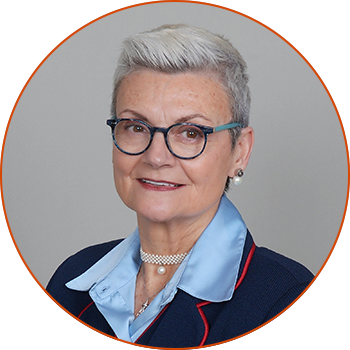
Mary Joe Fernandez
Layn Natural Ingredients

Jessica Simonis
Clinical Nutritionist

Rajiv Khatau
Lodaat Pharma

Greg Cumberford
Natures Crops International

Sybille Buchwald-Werner
Newday

Guus Kortman
NIZO Food Research



Thaila Cristina Putarov
Phileo by Lesaffre
Russ Kelley
Phileo by Lesaffre
Bernadette Beadle
Phileo by Lesaffre


Alicia Kasch
RIBUS
Steve Peirce
RIBUS

Maggie McNamara
Saanroo

Shaheen Majeed
Sami-Sabinsa Group

Linda Carola Baggi
Sacco Srl

Salma Zahidi
Seppic

Cem Dik
Syensqo



Laetitia d’Ursel
People Science
Noah Craft
People Science
Lindsey Wendt
Crystal Lotus Veterinary Care
References and notes
- (1) Ramos Junior, O. J. F., de Souza Filho, C. A., Majeed, S., & Alvares, T. S. (2026). Long-term beetroot extract supplementation improves morphological muscle quality and rate of force development in postmenopausal women: A randomized clinical trial. Nutrients, 18(5), 860. https://doi.org/10.3390/nu18050860
- (2) Pinheiro, V. S., Proctor, D. N., Soares, R. N., & Alvares, T. S. (2025). Effect of 12-week dietary nitrate supplementation on carotid arterial stiffness in postmenopausal females. American Journal of Physiology: Heart and Circulatory Physiology, 328(4), H937–H944. https://doi.org/10.1152/ajpheart.00065.2025