Panel discussion on...
Beauty from within and holistic trends
Vincenzo Zaccaria
Head of Research and
Development, Bionap (Active Group)

Member of AgroFOOD Industry Hi Tech's Scientific Advisory Board

Questions
1.
2.
3.
4.
5.
6.
7.
8.
9.
10.
11.
The New Era of Beauty Claims
Where do you see the next cycle of beauty claims heading? What specific benefits are consumers searching for today, and where do you predict the market will move over the next five years? Any exciting innovations you want to share in this regard?
The intersection of GLP-1 with Hair & Skin
With the global rise of GLP-1 weight-loss medications, consumers are experiencing rapid metabolic shifts that often trigger hair loss and "Ozempic skin". How do you see the nutricosmetic segment evolving to support the intersection of beauty and weight management/metabolic health?
Holistic Beauty & The "Well-Beauty" Journey
Real beauty isn't just skin deep. What innovations are you developing to bridge beauty and wellness (e.g., neuro-beauty, mood/stress support, beauty sleep, or the gut-skin axis)? Which ingredients or concepts are currently shifting from other health categories into the nutricosmetic space?
Redefining Beauty Rituals
Topical beauty influencers have set a high bar for self-care beauty rituals—how is the nutricosmetic segment catching up? From delivery formats and flavor profiles to fragrance and texture, what is needed to evolve ingestible solutions into a truly joyful daily ritual? And where do you experience the most challenge in this respect?
The K-Beauty Influence
South Korean trends continue to redefine topical skincare. How are these K-Beauty principles being translated into the nutricosmetic industry?
Integrated "In & Out" Journeys
We are moving away from isolated products toward "integrated journeys." What evidence supports the superior efficacy of oral-topical pairings? Furthermore, how can nutricosmetics be better integrated into the dermatology space, accompanying at-home or in-clinic procedures? Is there a difference between different regions in the world?
Nutricosmetics as a Platform for Inclusivity
Skin is the most visible representation of our diversity. How do you research, develop, and market ingredients in a way that thoughtfully addresses differences in gender, ethnicity, and life stages? Any trends you are seeing or innovations you are excited about?
AI & The Feasibility of Hyper-Personalization
In the era of AI, how close are we to truly personalizing "beauty from within"? What are the greatest challenges and opportunities you see in developing ingredients and creating supplements truly tailored to an individual’s unique needs and biological data? Any other uses of AI in this space that you are excited about?
Sustainability & Clean Beauty 3.0
How is your organization addressing the demand for upcycling and "Clean Beauty 3.0"? Are there specific innovations in ingredients, technologies, or research methodologies that you believe the industry must adopt to meet the next generation of eco-conscious consumers?
The Next Phase of "Skinification"
We have seen the "skinification of hair," but where is the future of haircare headed? What "root cause" claims are consumers most seeking, and what is the next category you anticipate will undergo a similar "skinification" transformation?
Precision Solutions for Menopause
With the surge in perimenopause and menopause-specific products, how can we more accurately tailor solutions to women in these stages? What has the industry missed, and how can we better serve this demographic?
References and notes

In this Panel Discussion, several prominent companies within the food and nutraceutical ingredient industry have been invited to discuss about drivers and barriers of healthy lifestyle, focusing on global and regional consumer trends, scientific achievements, emerging delivery formats, use of AI technologies and the implementation of the United Nations sustainability goals.
1) In Europe, beauty claims for food supplements are entering a more mature phase. There is growing openness to their use if they remain clearly focused on appearance-related benefits and are properly substantiated. At the same time, many nutraceutical companies are still cautious, especially because these claims do not follow the same route as EFSA-authorised health claims but are supported by specific European guidance and must be assessed carefully case by case.
The next step for the industry will be to build more confidence in using beauty claims responsibly, relying on ingredients supported by robust clinical studies, appropriate endpoints, and reproducible data. This is essential to avoid generic beauty storytelling and move towards scientifically credible communication.
From a consumer perspective, the next generation of beauty claims will move from “anti-ageing” towards concepts such as skin longevity, resilience, and biological maintenance. Consumers still look for visible benefits, such as hydration, radiance, elasticity, even skin tone, wrinkle reduction, and hair quality, but they increasingly expect these outcomes to be connected to measurable results.
Over the next five years, the market will likely reward claims that combine visible efficacy, biological plausibility, and solid substantiation.
2) The rise of GLP-1-based weight management is opening an important discussion on the relationship between metabolic change and visible appearance. Rapid weight loss may be associated with changes in skin firmness, facial volume, hydration, hair shedding, and perceived skin quality. These effects are multifactorial and may involve reduced energy intake, protein and micronutrient status, gastrointestinal tolerance, inflammation, stress, and the speed of body composition change. It is important to keep the medical and nutraceutical approaches clearly distinct. GLP-1-based medications are pharmacological treatments and should remain within appropriate medical supervision. Nutricosmetics do not replace or overlap with this approach; rather, they can contribute to the broader discussion on how visible beauty, metabolic balance, and overall well-being are connected during periods of body weight change. The GLP-1 trend has made this connection more evident, highlighting the need for integrated strategies that consider not only weight reduction but also skin quality, hair physiology, digestive comfort, nutritional balance, and body composition. In this sense, nutricosmetics can evolve as part of a complementary, wellbeing-oriented approach, supporting physiological functions that are relevant to appearance during metabolic transitions.
More broadly, the current weight management market also raises the need to distinguish between medical treatment, when clinically appropriate, and lifestyle-based strategies for individuals seeking progressive body composition improvement. For the nutricosmetic sector, the opportunity is to address the visible and physiological consequences of weight change with well-substantiated solutions, without medicalising beauty or blurring the boundaries between supplementation and pharmacological care.
6) The scientific rationale for oral-topical pairings is strong because skin is influenced by both external and internal factors. Topical products act locally on hydration, barrier function, soothing activity, microbiome balance, and protection from environmental stressors. Oral ingredients may support systemic pathways such as oxidative balance, inflammatory tone, collagen metabolism, microcirculation, nutritional status, and gut-skin communication.
However, the industry should be careful when using the word “superior”. Combined approaches are biologically plausible, but more studies are needed to compare oral alone, topical alone, combined intervention, and placebo in the same clinical design.
Nutricosmetics could be better integrated into dermatology as part of preparation and recovery protocols for procedures that temporarily challenge the skin, such as peels, laser treatments, or intensive at-home routines. In our experience, regionally, Asia is often more open to holistic beauty routines, Europe is more cautious and regulation-driven, while the US market tends to favour convenience, personalisation, and strong consumer narratives.
7) Inclusivity should begin in research, not only in communication. Skin and hair biology are influenced by sex, age, hormonal status, ethnicity, skin phototype, lifestyle, diet, geography, and environmental exposure. Therefore, the development of nutricosmetic solutions should avoid the assumption that one beauty model, one endpoint, or one consumer profile applies to everyone.
This is why, in our clinical research, particularly in beauty-from-within studies, but not only, we have been including different skin phototypes and ethnic backgrounds in recent years. The objective is not simply to make studies more representative, but to understand whether and how an active ingredient may perform differently across populations. We believe this is a fundamental part of the scientific robustness of a product.
9) Clean Beauty 3.0 should go beyond “free-from” claims and generic naturality. The next phase must integrate sustainability, safety, traceability, standardisation, and evidence of efficacy. Consumers increasingly understand that a natural ingredient is not automatically sustainable, and that sustainability without performance is not sufficient.
For botanical ingredients, one of the most relevant directions is the valorisation of co-products and underused plant fractions. Leaves, flowers, peels, juices, seeds, and other side streams can become valuable sources of bioactive compounds when managed through controlled sourcing, extraction, quality systems, and scientific validation.
However, upcycling must be more than a storytelling tool. Botanical raw materials are variable by nature, so circular ingredients require analytical markers, reproducible composition, and consistent biological activity. Green extraction, water and energy reduction, responsible sourcing, and life-cycle thinking should become standard development criteria. The future of clean beauty is not only cleaner formulas, but cleaner scientific and industrial logic.
This is also why we have recently introduced a dedicated Sustainability Manager within the company. The objective is to give sustainability a more structured framework, based on measurable tools, traceable data, and clear short-, medium-, and long-term objectives. In this way, sustainability becomes not only a value or a communication topic, but an operational and strategic process that can be monitored, improved, and integrated into ingredient development.
11) Perimenopause and menopause should not be treated as a single consumer category. They are dynamic life stages involving hormonal, metabolic, dermatological, psychological, and quality-of-life changes. Declining oestrogen levels may influence collagen turnover, skin thickness, hydration, elasticity, barrier function, hair quality, body composition, sleep, thermoregulation, and mood.
To tailor solutions more accurately, the industry should segment women according to physiological needs and stage of transition, not only age. A woman in early perimenopause with sleep disruption and hot flushes may have different priorities from a postmenopausal woman concerned with skin dryness, hair thinning, or metabolic changes.
What the industry has often missed is the biological complexity. Menopause should not be framed as a decline or loss, nor reduced to a single beauty concern. Women in this stage are informed, proactive, and attentive to safety and scientific credibility. They need respectful, evidence-based solutions that address visible appearance together with comfort, well-being, and resilience.
Panelists

Vincenzo Zaccaria
Bionap (Active Group)
Trisha Sugarek MacDonald
Akay Bioactives, an Oterra company

Benny Antony
Arjuna Natural
Carlos Morales Ruiz
Aurora Intelligent Nutrition

Juliane Hellhammer
DAACRO

Franziska Schmitt
DAACRO


Annie Liu
DolCas Biotech
KG Rao
DolCas Biotech
Zachin Rao
DolCas Biotech

Miri Eliyahu
Euromonitor International

Magda Starula
Euromonitor International

Aarthi Janakiraman
Everest Group

Dieter Bracke
Fermedics BV

Mike Hughes
FMCG Gurus

Katia Merten-Lentz
Food Law Science and Partners

Oliver Wolf
Gelita

Silvia Pisoni
Gnosis by Lesaffre

David Foreman
Herbal Pharmacist Media
Lucilla Caricchio
Hylobates Consulting

Johanna Maukonen
IFF Health

Arthur C. Ouwehand
IFF Health

Serena Tongiani
Indena

Volker Spitzer
IQVIA Consumer Health

Stephanie Krammer-Lukas
IQVIA Consumer Health

Tyler Holstein
Kemin Human Nutrition and Health

Alison M. Winger
Key2Biotics

Karen E. Todd
Kyowa Hakko

Celia Martin
Lallemand Bio-Ingredients

Elodie Aragon
Lallemand Health Solutions

Chris Kilham
Medicine Hunter

Greg Cumberford
Natures Crops International

Pauline Cox
Sow & Arrow

Sybille Buchwald-Werner
Newday

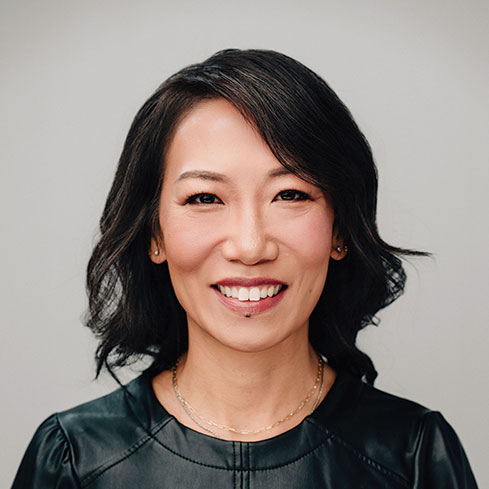

Laetitia d’Ursel
People Science
Belinda Tan
People Science
Colleen Quinn
Colleen Quinn Consultancy


Matevž Ambrožič
PharmaLinea
Maja Orešnik
PharmaLinea


Lucia Barra
Probiotical
Annalisa Visciglia
Probiotical

Walter Fiore
ROELMI HPC

Florencia Moreno Torres
Rousselot
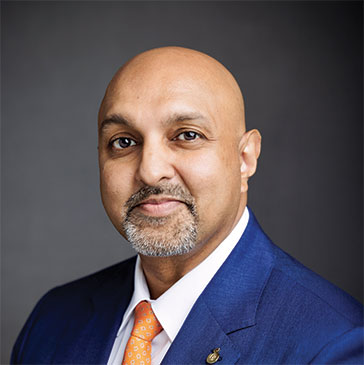
Shaheen Majeed
Sabinsa

Ilaria Campestri
B2B Health & Beauty,
ESG Industrial Processes Expert

Kelly Dobos
Consultant, Cosmetic Chemist

He Li
School of Food & Health
Beijing Technology & Business University

Claire Liu
Seppic

Suyin Perret-Gentil Robespierre
Suannutra

Jennifer Toomey
TopGum Industries

Inbal Nahmias
TopGum Industries

Anu Turpeinen
Valio