Panel discussion on...
Beauty from within and holistic trends
Serena Tongiani, PhD
Chief Portfolio Officer, Indena

Member of AgroFOOD Industry Hi Tech's Scientific Advisory Board

Questions
1.
2.
3.
4.
5.
6.
7.
8.
9.
10.
11.
The New Era of Beauty Claims
Where do you see the next cycle of beauty claims heading? What specific benefits are consumers searching for today, and where do you predict the market will move over the next five years? Any exciting innovations you want to share in this regard?
The intersection of GLP-1 with Hair & Skin
With the global rise of GLP-1 weight-loss medications, consumers are experiencing rapid metabolic shifts that often trigger hair loss and "Ozempic skin". How do you see the nutricosmetic segment evolving to support the intersection of beauty and weight management/metabolic health?
Holistic Beauty & The "Well-Beauty" Journey
Real beauty isn't just skin deep. What innovations are you developing to bridge beauty and wellness (e.g., neuro-beauty, mood/stress support, beauty sleep, or the gut-skin axis)? Which ingredients or concepts are currently shifting from other health categories into the nutricosmetic space?
Redefining Beauty Rituals
Topical beauty influencers have set a high bar for self-care beauty rituals—how is the nutricosmetic segment catching up? From delivery formats and flavor profiles to fragrance and texture, what is needed to evolve ingestible solutions into a truly joyful daily ritual? And where do you experience the most challenge in this respect?
The K-Beauty Influence
South Korean trends continue to redefine topical skincare. How are these K-Beauty principles being translated into the nutricosmetic industry?
Integrated "In & Out" Journeys
We are moving away from isolated products toward "integrated journeys." What evidence supports the superior efficacy of oral-topical pairings? Furthermore, how can nutricosmetics be better integrated into the dermatology space, accompanying at-home or in-clinic procedures? Is there a difference between different regions in the world?
Nutricosmetics as a Platform for Inclusivity
Skin is the most visible representation of our diversity. How do you research, develop, and market ingredients in a way that thoughtfully addresses differences in gender, ethnicity, and life stages? Any trends you are seeing or innovations you are excited about?
AI & The Feasibility of Hyper-Personalization
In the era of AI, how close are we to truly personalizing "beauty from within"? What are the greatest challenges and opportunities you see in developing ingredients and creating supplements truly tailored to an individual’s unique needs and biological data? Any other uses of AI in this space that you are excited about?
Sustainability & Clean Beauty 3.0
How is your organization addressing the demand for upcycling and "Clean Beauty 3.0"? Are there specific innovations in ingredients, technologies, or research methodologies that you believe the industry must adopt to meet the next generation of eco-conscious consumers?
The Next Phase of "Skinification"
We have seen the "skinification of hair," but where is the future of haircare headed? What "root cause" claims are consumers most seeking, and what is the next category you anticipate will undergo a similar "skinification" transformation?
Precision Solutions for Menopause
With the surge in perimenopause and menopause-specific products, how can we more accurately tailor solutions to women in these stages? What has the industry missed, and how can we better serve this demographic?
References and notes

Beauty From Within: The Emerging Landscape of Nutricosmetics
3) In the broader “self-care” landscape, the beauty industry is probably the sector undergoing the deepest transformation of the last few decades. Initially focused on personal care through the use of topical products mainly intended for aesthetic purposes, the industry has more recently recognized the need to also “nurture” the good appearance from within. This second phase led to the rise of nutricosmetics, a category that has experienced dramatic growth through the increasing use of supplements and oral formulations designed to support specific skin health parameters such as density, elasticity, hydration, and overall appearance by acting on internal biological pathways, including inflammation and oxidative stress.
However, the most interesting transformation is the one taking place today, as nutricosmetics move far beyond traditional aesthetics toward a more holistic concept of “beauty from within”, deeply connected to the idea of healthy aging.
True beauty is no longer perceived as merely skin deep; rather, skin health is increasingly recognized as a reflection of the body’s internal balance, closely linked to physical, emotional, and metabolic wellbeing. In this context, the nutricosmetics market is evolving into a broader “well-beauty” space, where beauty solutions are designed not only to improve appearance, but also to support long-term health, resilience, and quality of life.
What may appear to be a simple marketing trend is actually rooted in profound changes in people health conditions. Over the years, human longevity has increased due to multiple factors. A 40-year-old in the 1950s would likely have faced greater health risks from smoking, less advanced medical care, harsher working conditions, and less sophisticated beauty standards, while also living within a social and economic context shaped by the post-Great Depression era. In contrast, a 40-year-old today benefits from longer life expectancy, improved healthcare, greater technological access, and evolving social norms. The chronological age may be the same, but the appearance and overall health profile are completely different.
Accordingly, healthy aging has become a major driver shaping the future of holistic beauty. Consumers are no longer focused only on extending “lifespan”, but rather on enhancing “healthspan”, meaning the period of life spent in good physical, cognitive, and emotional health. A healthy and vibrant appearance is now perceived as a visible reflection of internal vitality and wellbeing, creating a two-way relationship between good appearance and good health.
In this scenario, where holistic wellbeing is central, there is increasing demand for science-backed solutions capable of rebalancing inflammatory response, oxidative stress, hormonal status, emotional wellbeing, sleep quality, detoxification processes, and even gut health. When these systems function harmoniously, the skin appears more radiant, elastic, and youthful.
Botanical and natural ingredients are playing a central role in this evolution. Rich in antioxidants, polyphenols, and bioactive compounds, botanicals show pleiotropic properties that can support improvements at the cellular level, physical performance, and overall appearance, contributing to both wellness and visible beauty outcomes.
Botanical extracts from Brassica oleracea vegetables, for example, are attracting growing attention for their role in activating cellular detoxification and antioxidant pathways. They are studied for their ability to help protect the skin against environmental stressors such as UV radiation and oxidative damage, while also supporting skin nourishment and healthy aging. This demonstrates how ingredients traditionally associated with wellbeing and detoxification are now becoming highly relevant within the nutricosmetics sector.
Not only traditional botanicals, but also advanced delivery systems can further optimize their health benefits by overcoming challenges such as poor oral bioabsorption and maximizing efficacy for skin health, vitality, and healthy aging.
Common plants such as Centella asiatica, traditionally used in both topical formulations and nutricosmetics, can further enhance their benefits through innovative technologies. A new centella extract formulated with phospholipids to improve bioabsorption and biological performance has now been scientifically shown to support collagen production and preservation against degradation, protect skin cells from oxidative stress, and contribute to skin repair and renewal to a greater extent than the unformulated extract. Clinical studies have also demonstrated its efficacy in improving skin firmness and elasticity, with supplemented subjects showing skin that appeared up to five years younger at the end of the supplementation. These multiple benefits perfectly align with the new holistic beauty philosophy: as natural collagen production declines with age, consumers are increasingly seeking solutions that support the body’s own collagen synthesis processes, while approaching skin health as part of broader physiological wellbeing.
In addition, natural ingredients traditionally used for relaxation and sleep support are being repositioned within beauty supplements to promote restorative sleep while simultaneously enhancing skin vitality and radiance. Lemon balm extract represents a good example: when combined with innovative delivery systems, including phospholipid-based technologies, it has been shown to help rebalance mood and emotional wellbeing while improving sleep quality and duration. The emerging field of “neuro-beauty”, which explores the connection between the nervous system, emotional wellbeing, and skin appearance, is becoming one of the most relevant areas of innovation.
Today, the evolution of the “well-beauty” journey is no longer centered only on how people look, but also on how they feel. The future of beauty lies not in isolated aesthetic benefits, but in integrated approaches capable of promoting resilience, vitality, longevity, and overall wellbeing from within.
References and notes
- REGULATION (EC) No 1924/2006 OF THE EUROPEAN PARLIAMENT AND OF THE COUNCIL of 20 December 2006 on nutrition and health claims made on foods
https://eur-lex.europa.eu/legal-content/EN/TXT/HTML/?uri=CELEX:02006R1924-20141213&qid=1780673989478 - REGULATION (EU) 2015/2283 OF THE EUROPEAN PARLIAMENT AND OF THE COUNCIL of 25 November 2015 on novel foods, amending Regulation (EU) No 1169/2011 of the European Parliament and of the Council and repealing Regulation (EC) No 258/97 of the European Parliament and of the Council and Commission Regulation (EC) No 1852/2001
https://eur-lex.europa.eu/legal-content/EN/TXT/?uri=CELEX%3A02015R2283-20210327&qid=1780674126387 - DIRECTIVE 2001/83/EC OF THE EUROPEAN PARLIAMENT AND OF THE COUNCIL of 6 November 2001 on the Community code relating to medicinal products for human use
https://eur-lex.europa.eu/legal-content/EN/TXT/?uri=CELEX%3A02001L0083-20250101&qid=1780674253824 - ASA Ruling on GLP-1 Pro Ltd t/a GuLP-1 – Upheld - 06 May 2026
https://www.asa.org.uk/rulings/glp-1-pro-ltd-a25-1317723-glp-1-pro-ltd.html - GLP-1 en voedingssupplementen: wat mag je communiceren?
https://keuringsraad.nl/glp-1-en-voedingssupplementen-wat-mag-je-communiceren/ - REGULATION (EC) No 1333/2008 OF THE EUROPEAN PARLIAMENT AND OF THE COUNCIL of 16 December 2008 on food additives
https://eur-lex.europa.eu/legal-content/EN/TXT/?uri=CELEX%3A02008R1333-20260218&qid=1780674591204 - REGULATION (EC) No 1334/2008 OF THE EUROPEAN PARLIAMENT AND OF THE COUNCIL of 16 December 2008 on flavourings and certain food ingredients with flavouring properties for use in and on foods and amending Council Regulation (EEC) No 1601/91, Regulations (EC) No 2232/96 and (EC) No 110/2008 and Directive 2000/13/EC
https://eur-lex.europa.eu/legal-content/EN/TXT/?uri=CELEX%3A02008R1334-20260216&qid=1780674684064
Panelists

Vincenzo Zaccaria
Bionap (Active Group)
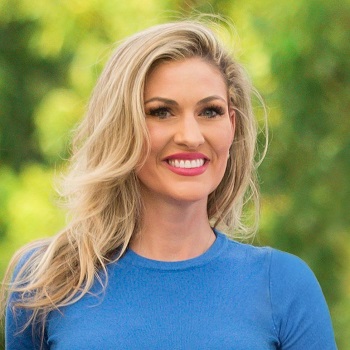
Trisha Sugarek MacDonald
Akay Bioactives, an Oterra company

Benny Antony
Arjuna Natural

Carlos Morales Ruiz
Aurora Intelligent Nutrition

Juliane Hellhammer
DAACRO

Franziska Schmitt
DAACRO



Annie Liu
DolCas Biotech
KG Rao
DolCas Biotech
Zachin Rao
DolCas Biotech

Miri Eliyahu
Euromonitor International

Magda Starula
Euromonitor International

Aarthi Janakiraman
Everest Group

Dieter Bracke
Fermedics BV

Mike Hughes
FMCG Gurus
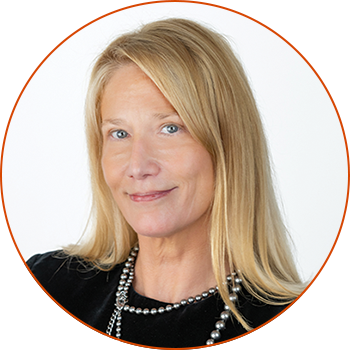
Katia Merten-Lentz
Food Law Science and Partners

Oliver Wolf
Gelita
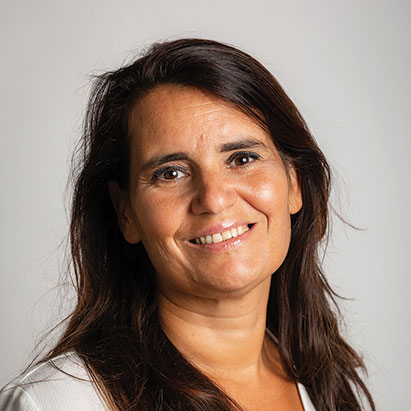
Silvia Pisoni
Gnosis by Lesaffre

David Foreman
Herbal Pharmacist Media
Lucilla Caricchio
Hylobates Consulting

Johanna Maukonen
IFF Health

Arthur C. Ouwehand
IFF Health

Serena Tongiani
Indena

Volker Spitzer
IQVIA Consumer Health

Stephanie Krammer-Lukas
IQVIA Consumer Health

Tyler Holstein
Kemin Human Nutrition and Health

Alison M. Winger
Key2Biotics

Karen E. Todd
Kyowa Hakko

Celia Martin
Lallemand Bio-Ingredients

Elodie Aragon
Lallemand Health Solutions

Chris Kilham
Medicine Hunter

Greg Cumberford
Natures Crops International

Pauline Cox
Sow & Arrow

Sybille Buchwald-Werner
Newday


Laetitia d’Ursel
People Science
Belinda Tan
People Science
Colleen Quinn
Colleen Quinn Consultancy


Matevž Ambrožič
PharmaLinea
Maja Orešnik
PharmaLinea


Lucia Barra
Probiotical
Annalisa Visciglia
Probiotical

Walter Fiore
ROELMI HPC

Florencia Moreno Torres
Rousselot

Shaheen Majeed
Sabinsa

Ilaria Campestri
B2B Health & Beauty,
ESG Industrial Processes Expert

Kelly Dobos
Consultant, Cosmetic Chemist

He Li
School of Food & Health
Beijing Technology & Business University

Claire Liu
Seppic

Suyin Perret-Gentil Robespierre
Suannutra

Jennifer Toomey
TopGum Industries

Inbal Nahmias
TopGum Industries

Anu Turpeinen
Valio