WOMEN'S HEALTH
Rethinking prenatal supplementation:
why format and tolerance
are the missing conversation

Jessica Simonis
Chief Scientific Officer, H.E.R Health Group Pty Ltd, Melbourne, Australia
About the Author
Jessica Simonis
Jessica Simonis is an experienced Clinical Nutritionist who has dedicated over 20 years of her career to the research and practice of complementary medicines. Her special interest lies with the host-microbiome-environmental relationship and its role in chronic disease.

KEYWORDS
Prenatal supplement
Tolerability
Compliance
Palatability
Bioavailability
Buccal absorption
Abstract
The clinical gold standard for addressing nutritional gaps in prenatal care has long included oral micronutrient supplementation. Yet when we examine the vehicles through which these nutrients are delivered, including the form, the dose and the tolerability, we find a product category that has, in many respects, remained unchanged for decades. For an industry that prides itself on innovation, this is a significant blind spot.
Palatability and tolerance are not secondary formulation concerns, but rather the mechanism by which clinical benefit is realised. This is particularly consequential when it comes to essential nutrients such as iron, where conventional forms continue to drive the very discontinuation rates that compromise the outcomes supplementation exists to support. The question is no longer whether better options exist; it is why they remain the exception.
The Problem with Giant Pills

Walk into any pharmacy and the prenatal supplement shelf tells a familiar story: large capsules/tablets and serving sizes that require patients to swallow two or more daily, often on an already-nauseated stomach. For a population experiencing nausea rates as high as 70% during the first trimester, this approach borders on counterintuitive (1).
The assumption embedded in standard prenatal formulations is that compliance and tolerability are the patient's problem to solve. The clinical reality is different. Poor tolerance leads to inconsistent intake (2), and inconsistent intake may lead to nutrient shortfalls during the most developmentally sensitive window of human life. Format is not merely a consumer preference; it is a clinical concern.
Iron: The Tolerance Challenge That Can No Longer Be Ignored
Iron deficiency (ID) has shown to affect up to 70% of pregnant women, and the global prevalence of iron deficiency anaemia (IDA) ranges between 2.4% to 66% across both developed and developing countries (3, 4). IDA has been linked to several maternal and foetal health risks, even before ID progresses to IDA (5). As a preventative measure, the World Health Organisation (WHO) and other international guidelines, recommend that all pregnant women, regardless of iron status, receive daily iron supplementation alongside folic acid (5).
Conventional iron forms, such as ferrous sulphate, carry a well-documented tolerability burden, including constipation, nausea, and gastrointestinal tract (GIT) discomfort, that frequently leads patients to discontinue supplementation altogether (6). A nutrient that is not taken does not provide clinical value, regardless of the dose on the label.
To address this concern, there has been a growing trend among newer pregnancy supplement brands to remove iron altogether; positioned as a tolerance-driven decision, with the rationale that gastrointestinal burden is reduced and that practitioners can prescribe therapeutic iron separately at higher doses when clinically indicated. On the surface, this appears considered. In practice, it represents a significant gap in preventive nutritional care.
Given IDA affects an estimated 36.5% of pregnant women globally (5), designing a prenatal supplement that omits iron on the basis that its delivery is challenging, is solving a formulation problem by creating a clinical one.
The scientific literature increasingly supports this position. Recent evidence shows that doses of elemental iron as low as 20mg, can achieve equivalent efficacy to doses as high as 80mg in the prevention and management of IDA, with a substantially reduced incidence of adverse effects (7).
Furthermore, a 2023 systematic review and meta-analysis of randomised controlled trials in non-anaemic, iron-replete pregnant women found that iron supplementation reduced the risk of iron deficiency anaemia at term by approximately 49% (RR 0.51; 95% CI 0.38–0.70) and reduced the incidence of low birth weight (RR 0.30; 95% CI 0.13–0.68), with no clear evidence of clinically significant harm reported (8). This highlights an opportunity for well-formulated prenatal supplements to deliver meaningful, preventive iron support without the tolerance burden that has historically driven both patient discontinuation and practitioner hesitation.

Taking a patient-centred approach to ingredient forms
Next-generation iron forms represent a meaningful clinical advance. Emulsified microsomal ferric pyrophosphate (EMFP) is one such technology that has demonstrated an improvement in tolerance over conventional iron salts while maintaining equal efficacy (9). EMFP bypasses the conventional absorption route, preventing free iron from interacting with the gut lining, the mechanism responsible for most gastrointestinal adverse effects associated with standard oral iron. Results showed no statistical difference in bioavailability and efficacy to higher doses of ferrous ascorbate, with a significant reduction in incidence of adverse events (9).
Critically, this format also addresses taste aversion, a barrier to adherence that is rarely discussed in clinical literature but is highly relevant to pregnant patients who frequently report heightened sensory sensitivity (10). Efficacy at lower doses, combined with superior tolerability and taste masking, is where clinical evidence meets a patient-centred approach.
Rethinking Delivery: The Case for Format Innovation in Prenatal Supplementation
Beyond ingredient selection, the question of delivery format deserves equal clinical consideration. Standard prenatal supplements have long defaulted to compressed tablet or capsule formats. While they offer some conveniences (11), to meet the substantially increased micronutrient requirements of pregnancy, manufacturers must either increase tablet size, increase the number of tablets per serve, or compromise on nutrient scope. Some do a combination of all three. For a population in which up to 70% experience nausea and vomiting of pregnancy, and in which tablet size is frequently cited as a primary reason for reduced supplementation adherence (11), this represents a fundamental design shortfall.
Gummy and chewable formats have emerged as a popular response to this problem, and their palatability can be advantageous. However, the physical constraints of gummy technology impose a hard ceiling on clinical utility. The dose and volume required to meaningfully deliver nutrients such as iron, calcium and magnesium, alongside a comprehensive micronutrient panel, are difficult to accommodate within a gummy matrix without compromising either nutrient integrity, texture, taste, cost or serving size. Many gummy prenatal supplements omit certain nutrients entirely or deliver them at levels that fall well short of pregnancy requirements.
From Tablet to Powder: Addressing the Format Gap in Prenatal Nutrition
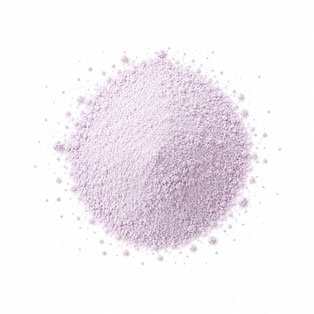
Oral dissolving powder delivered in a single-serve sachet provides an innovative solution to address these shortfalls. The format accommodates the full nutrient scope required across the preconception, pregnancy, and postnatal continuum within a single daily serve, without the volume constraints of compressed formats or the dose limitations of gummy technology. Administration is flexible: dissolved in water or taken directly onto the tongue; a practical consideration for women managing nausea (Figure 1).
Figure 1. Powder supplement formats allow for improved nutrient scope and buccal absorption.
The clinical implications extend beyond convenience. The powder format creates meaningful capacity to address nutrients that are consistently under-delivered in standard prenatal supplements, calcium being the most clinically significant example. Despite calcium's well-established role in foetal and maternal health, most prenatal tablets fail to reach even 25% of the pregnancy recommended daily intake, constrained by the physical space. For certain countries where calcium intake is already below recommendations in a significant proportion of the population, including many APAC countries, this gap is of clinical relevance (12). A sachet format removes the dose ceiling, enabling formulators to make deliberate, evidence-informed decisions about calcium and similarly overlooked nutrients, rather than working around the limitations of the delivery vehicle.
Buccal Absorption and the Case for Oral Dissolving Formats in Pregnancy
Discussions of prenatal supplement formulation have historically centred on what is delivered; the nutrient, the dose and the ingredient form. Less attention has been given to how delivery itself shapes nutritional outcomes.
The oral mucosa represents a highly vascularised absorptive surface with direct access to systemic circulation, bypassing the hepatic first-pass metabolism that governs conventional oral tablet and capsule delivery (13). Where a compressed tablet must first disintegrate, dissolve, and survive the GIT environment before reaching absorptive surfaces, an oral dissolving formulation initiates contact with the mucosal epithelium immediately upon administration. For specific nutrients, this distinction in absorptive pathway can have meaningful clinical impact.
Vitamin B12 is one such example. Conventional oral B12 absorption is a complex, multistep process dependent on intrinsic factor secretion by gastric parietal cells, intact ileal receptor function, and adequate gastric acid production (14). Subclinical deficiency is estimated to affect up to 26% of the general population and is more common in older adults, those with underlying GIT disorders and/or consume predominantly plant food diets (14). A reliance on optimal intake and digestive function is particularly relevant in pregnancy, where GIT motility changes, nausea-driven dietary restriction, and altered gastric physiology (15) can collectively compromise B12 status at a time where daily requirements are increased (16). Buccal B12 administration has been investigated as an alternative due to its ability to bypass traditional absorption routes, enabling direct diffusion across the buccal epithelium into the submucosal capillary network. Studies have demonstrated that buccal B12 delivery can achieve equivalent results to traditional tablet forms in deficient individuals (14, 17); a finding that holds promise for women who struggle to take traditional tablet formats during pregnancy.
It bears acknowledging that the buccal absorption literature in the specific context of pregnancy supplementation remains an area where further dedicated research is needed.
Conclusion
Prenatal supplementation sits at the intersection of one of the most consequential areas of nutrition science. The standards applied to ingredient selection, formulation design, and evidence evaluation in this category should reflect that gravity.
Tolerability is not secondary to efficacy; in a population that struggles to comply with supplementation, they are inseparable.
What this approach demands, however, is precision. Combining the nutrient scope of a comprehensive prenatal formula, the dose integrity required for clinical relevance, and the palatability characteristics that sustain daily compliance over the course of a pregnancy is not a simple formulation exercise. Taste, solubility, ingredient interactions, and sensory profile must be considered alongside efficacy, remembering a formula that a patient does not consistently take has little clinical value, regardless of what is on the label. The convergence of dose, format, nutrient scope, tolerability and palatability is the central formulation challenge of prenatal nutrition, and the standard against which all pregnancy supplement formats should be measured.

References and notes
- Levett KM, Louis J, Sutcliffe KL, Gallego G. Identifying common conditions of pregnancy for women, including women from culturally and linguistically diverse backgrounds, at an Australian hospital: A survey. Midwifery. 2025 Jan 1;140:104195.
- Tolkien Z, Stecher L, Mander AP, Pereira DI, Powell JJ. Ferrous sulfate supplementation causes significant gastrointestinal side-effects in adults: a systematic review and meta-analysis. PloS one. 2015 Feb 20;10(2):e0117383.
- Kebede SS, Asmelash D, Duguma T, Wudineh D, Alemayehu E, Gedefie A, Mesfin G. Global prevalence of iron deficiency anemia and its variation with different gestational age systematic review and meta-analysis. Clinical Nutrition Open Science. 2025 Feb 1;59:68-86.
- Clarke L, Froessler B, Tang C, King K, Ross B, Kidson‐Gerber G, Dugan C, Townsend L, Uppal T, Baxter L, Cook S. Iron optimisation in pregnancy: a Haematology in Obstetric and Women's Health Collaborative consensus statement. Internal medicine journal. 2025 Feb;55(2):300-7.
- Watt A, Eaton H, Eastwick-Jones K, Thomas ET, Plüddemann A. The benefits and harms of oral iron supplementation in non-anaemic pregnant women: a systematic review and meta-analysis. Family Practice. 2025 Feb;42(1):cmae079.
- Benson AE, Shatzel JJ, Ryan KS, Hedges MA, Martens K, Aslan JE, Lo JO. The incidence, complications, and treatment of iron deficiency in pregnancy. European journal of haematology. 2022 Dec;109(6):633-42.
- Frayne J, Pinchon D. Anaemia in pregnancy. Australian journal of general practice. 2019 Mar;48(3):125-9.
- Hansen R, Sejer EPF, Holm C, Schroll JB. Iron supplements in pregnant women with normal iron status: a systematic review and meta-analysis. Acta Obstet Gynecol Scand. 2023;102(9):1147-1158. doi:10.1111/aogs.14607.
- Patki A, Jyothi GS, Thobbi V, Srivastav A, Ganu G, Shah AS. Efficacy and safety of emulsified microsomal ferric pyrophosphate vs. Ferrous Ascorbate in pregnancy with iron-deficiency anemia-a randomized, comparative study. Scientific Reports. 2025 Nov 12;15(1):39671.
- Sadeghi N, Farazdaghi H, Parandoosh P, Dehghani P, Khatibi M. Relationship between pregnancy and sense of taste. Romanian Journal of. 2021;125(2):312-7.
- Kabeya K, Satoh H, Hori S, Sawada Y. Experimental study on patient preferences regarding the shape and size of medical tablets and capsules using three-dimensionally printed plastic model formulations. Patient preference and adherence. 2021 Apr 28:863-70.
- Balk EM, Adam GP, Langberg VN, Earley A, Clark P, Ebeling PR, Mithal A, Rizzoli R, Zerbini CA, Pierroz DD, Dawson-Hughes B. Global dietary calcium intake among adults: a systematic review. Osteoporosis international. 2017 Dec;28(12):3315-24.
- Patel VF, Liu F, Brown MB. Advances in oral transmucosal drug delivery. Journal of controlled release. 2011 Jul 30;153(2):106-16.
- Mazur M, Ndokaj A, Salerno C, Vallone J, Ardan R, Bietolini S, Carrouel F, Wilk A, Sarig R, Ottolenghi L, Bourgeois D. Efficacy of sublingual and oral vitamin B12 versus intramuscular administration: insights from a systematic review and meta-analysis. Frontiers in Pharmacology. 2025 Dec 19;16:1602976.
- Gomes CF, Sousa M, Lourenço I, Martins D, Torres J. Gastrointestinal diseases during pregnancy: what does the gastroenterologist need to know?. Annals of gastroenterology. 2018 Apr 27;31(4):385.
- National Health and Medical Research Council; Australian Government Department of Health and Aged Care. Nutrient Reference Values for Australia and New Zealand: Vitamin B12 [Internet]. Canberra: NHMRC; [cited 2026 Jun 13]. Available from: https://www.eatforhealth.gov.au/nutrient-reference-values/nutrients/vitamin-b12
- Del Bo C, Riso P, Gardana C, Brusamolino A, Battezzati A, Ciappellano S. Effect of two different sublingual dosages of vitamin B12 on cobalamin nutritional status in vegans and vegetarians with a marginal deficiency: A randomized controlled trial. Clinical Nutrition. 2019 Apr 1;38(2):575-83.
