Panel discussion on...
Beauty from within and holistic trends
Jennifer Toomey1 , Inbal Nahmias2
1. Head of NPD North America, TopGum Indutries
2. Head of Global Marketing, TopGum Industries

Member of AgroFOOD Industry Hi Tech's Scientific Advisory Board


Questions
1.
2.
3.
4.
5.
6.
7.
8.
9.
10.
11.
The New Era of Beauty Claims
Where do you see the next cycle of beauty claims heading? What specific benefits are consumers searching for today, and where do you predict the market will move over the next five years? Any exciting innovations you want to share in this regard?
The intersection of GLP-1 with Hair & Skin
With the global rise of GLP-1 weight-loss medications, consumers are experiencing rapid metabolic shifts that often trigger hair loss and "Ozempic skin". How do you see the nutricosmetic segment evolving to support the intersection of beauty and weight management/metabolic health?
Holistic Beauty & The "Well-Beauty" Journey
Real beauty isn't just skin deep. What innovations are you developing to bridge beauty and wellness (e.g., neuro-beauty, mood/stress support, beauty sleep, or the gut-skin axis)? Which ingredients or concepts are currently shifting from other health categories into the nutricosmetic space?
Redefining Beauty Rituals
Topical beauty influencers have set a high bar for self-care beauty rituals—how is the nutricosmetic segment catching up? From delivery formats and flavor profiles to fragrance and texture, what is needed to evolve ingestible solutions into a truly joyful daily ritual? And where do you experience the most challenge in this respect?
The K-Beauty Influence
South Korean trends continue to redefine topical skincare. How are these K-Beauty principles being translated into the nutricosmetic industry?
Integrated "In & Out" Journeys
We are moving away from isolated products toward "integrated journeys." What evidence supports the superior efficacy of oral-topical pairings? Furthermore, how can nutricosmetics be better integrated into the dermatology space, accompanying at-home or in-clinic procedures? Is there a difference between different regions in the world?
Nutricosmetics as a Platform for Inclusivity
Skin is the most visible representation of our diversity. How do you research, develop, and market ingredients in a way that thoughtfully addresses differences in gender, ethnicity, and life stages? Any trends you are seeing or innovations you are excited about?
AI & The Feasibility of Hyper-Personalization
In the era of AI, how close are we to truly personalizing "beauty from within"? What are the greatest challenges and opportunities you see in developing ingredients and creating supplements truly tailored to an individual’s unique needs and biological data? Any other uses of AI in this space that you are excited about?
Sustainability & Clean Beauty 3.0
How is your organization addressing the demand for upcycling and "Clean Beauty 3.0"? Are there specific innovations in ingredients, technologies, or research methodologies that you believe the industry must adopt to meet the next generation of eco-conscious consumers?
The Next Phase of "Skinification"
We have seen the "skinification of hair," but where is the future of haircare headed? What "root cause" claims are consumers most seeking, and what is the next category you anticipate will undergo a similar "skinification" transformation?
Precision Solutions for Menopause
With the surge in perimenopause and menopause-specific products, how can we more accurately tailor solutions to women in these stages? What has the industry missed, and how can we better serve this demographic?
References and notes

3) It is often said that "you are what you eat," and we wholeheartedly stand by that principle. We believe the foundation of any beauty regimen, or wellness routine in general, must be a healthy diet and proper hydration. Drinking plenty of water is the most fundamental and effective way to maintain skin elasticity and radiance.
However, once that foundation is set, the next frontier is internal optimization.
We believe that real beauty isn't just skin deep; it starts at the cellular level. While topical treatments have their place, they cannot compensate for internal imbalances.
We look to the gut-skin axis as the primary driver of "Well-Beauty." Scientific research increasingly supports the claim that our internal ecosystem dictates our external appearance. For instance, a prominent study published in Frontiers in Microbiology (1) highlights how gut dysbiosis (an imbalance in gut bacteria) is directly linked to inflammatory skin conditions like acne and atopic dermatitis. The gut and skin are in constant communication via the immune system; when the gut is healthy, inflammation decreases, often resulting in clearer, more resilient skin.
4) When we look at the success of topical beauty influencers, they aren’t just selling a product; they are selling a ritual. The nutricosmetic segment is catching up by transforming what used to be a "medical chore"-swallowing a tasteless pill-into a moment of genuine self-care.
The functional gummy format provides the sensory experience that topical beauty rituals have mastered. It offers a sophisticated interplay of flavor, fragrance, and texture that makes the consumer actually look forward to their daily dose. This is critical for results: in the beauty space, consistency is everything. By making the delivery system enjoyable, we naturally improve compliance and adherence, which are the two biggest hurdles in seeing long-term improvements in skin, hair, and nail health.
The Technical Challenge: Potency Without Compromise
However, the primary challenge in this segment is high-dose efficacy. It is one thing to make a gummy that tastes like a treat; it is quite another to load it with a meaningful, professional-grade dose of active ingredients (like high-mg collagen, creatine, or specific botanicals) without impact on texture or flavor.
To achieve this, you need more than a candy maker; you need a professional manufacturer with advanced capabilities.
When developing gummy supplements, several challenges must be addressed. Beyond great taste, texture, and color that create an enjoyable sensory experience, formulators must also overcome dosing limitations — an area where advanced technologies play a critical role.
Today’s consumers prefer convenient solutions that fit seamlessly into their busy lifestyles. Taking five or six gummies per day is often impractical, which is why delivering effective daily dosages in just one or two gummies is essential.
11) For decades, the wellness industry fundamentally missed the mark by ignoring the perimenopause and menopause demographic, but as brands finally wake up to this audience, serving them correctly requires a complete overhaul in both communication and product design. From a marketing lens, brands have a social responsibility to speak to women at eye level, removing the historical barrier of shame and replacing it with open, unembarrassed dialogue. This lack of deep empathy stems from a history where a male perspective dominated research, leaving the industry lagging in preventative care and a true understanding of how women experience these symptoms. To bridge this gap, the industry must deliver precision products built on three core pillars: they must be fun and positive to consume so women don't have to compromise on the experience, they must actually work using clinically tested ingredients, and they should offer holistic, personalized ecosystems, recognizing that menopause is a diverse journey of trial and error where a one-size-fits-all solution simply doesn't exist.
References and notes
- Frontiers in microbiology https://www.frontiersin.org/journals/immunology/articles/10.3389/fimmu.2026.1737303/full#s6
Panelists

Vincenzo Zaccaria
Bionap (Active Group)
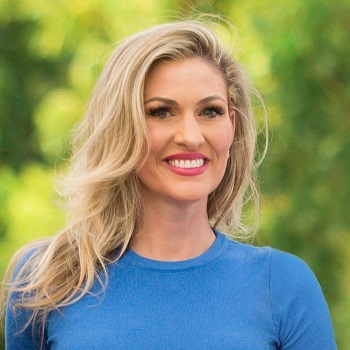
Trisha Sugarek MacDonald
Akay Bioactives, an Oterra company

Benny Antony
Arjuna Natural

Carlos Morales Ruiz
Aurora Intelligent Nutrition

Juliane Hellhammer
DAACRO

Franziska Schmitt
DAACRO


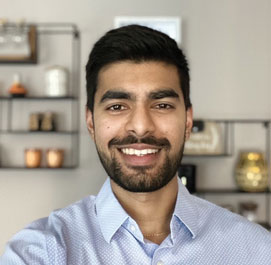
Annie Liu
DolCas Biotech
KG Rao
DolCas Biotech
Zachin Rao
DolCas Biotech

Miri Eliyahu
Euromonitor International

Magda Starula
Euromonitor International

Aarthi Janakiraman
Everest Group

Dieter Bracke
Fermedics BV

Mike Hughes
FMCG Gurus

Katia Merten-Lentz
Food Law Science and Partners

Oliver Wolf
Gelita

Silvia Pisoni
Gnosis by Lesaffre

David Foreman
Herbal Pharmacist Media

Lucilla Caricchio
Hylobates Consulting

Johanna Maukonen
IFF Health

Arthur C. Ouwehand
IFF Health

Serena Tongiani
Indena

Volker Spitzer
IQVIA Consumer Health

Stephanie Krammer-Lukas
IQVIA Consumer Health

Tyler Holstein
Kemin Human Nutrition and Health

Alison M. Winger
Key2Biotics

Karen E. Todd
Kyowa Hakko

Celia Martin
Lallemand Bio-Ingredients

Elodie Aragon
Lallemand Health Solutions

Chris Kilham
Medicine Hunter

Greg Cumberford
Natures Crops International

Pauline Cox
Sow & Arrow

Sybille Buchwald-Werner
Newday



Laetitia d’Ursel
People Science
Belinda Tan
People Science
Colleen Quinn
Colleen Quinn Consultancy


Matevž Ambrožič
PharmaLinea
Maja Orešnik
PharmaLinea
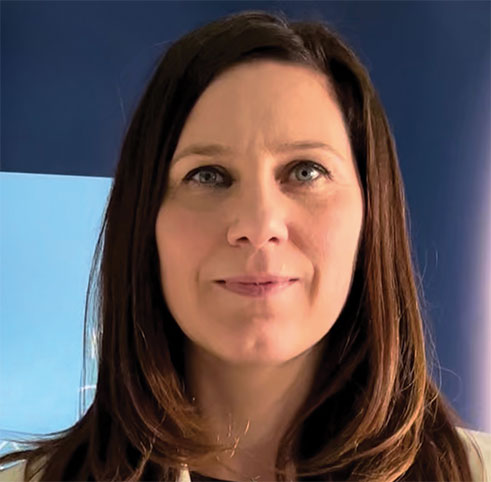

Lucia Barra
Probiotical
Annalisa Visciglia
Probiotical

Walter Fiore
ROELMI HPC

Florencia Moreno Torres
Rousselot
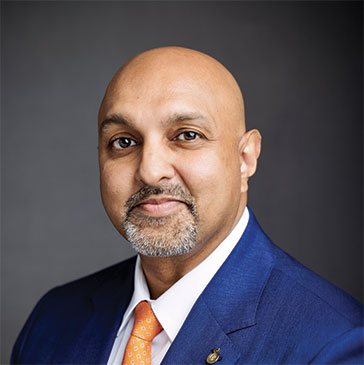
Shaheen Majeed
Sabinsa

Ilaria Campestri
B2B Health & Beauty,
ESG Industrial Processes Expert

Kelly Dobos
Consultant, Cosmetic Chemist

He Li
School of Food & Health
Beijing Technology & Business University

Claire Liu
Seppic

Suyin Perret-Gentil Robespierre
Suannutra
Jennifer Toomey
TopGum Industries

Inbal Nahmias
TopGum Industries

Anu Turpeinen
Valio