Panel discussion on...
Beauty from within and holistic trends
Celia Martin
Director Regulatory Affairs & Health Ingredients Innovation Manager,
Lallemand Bio-Ingredients

Member of AgroFOOD Industry Hi Tech's Scientific Advisory Board

Questions
1.
2.
3.
4.
5.
6.
7.
8.
9.
10.
11.
The New Era of Beauty Claims
Where do you see the next cycle of beauty claims heading? What specific benefits are consumers searching for today, and where do you predict the market will move over the next five years? Any exciting innovations you want to share in this regard?
The intersection of GLP-1 with Hair & Skin
With the global rise of GLP-1 weight-loss medications, consumers are experiencing rapid metabolic shifts that often trigger hair loss and "Ozempic skin". How do you see the nutricosmetic segment evolving to support the intersection of beauty and weight management/metabolic health?
Holistic Beauty & The "Well-Beauty" Journey
Real beauty isn't just skin deep. What innovations are you developing to bridge beauty and wellness (e.g., neuro-beauty, mood/stress support, beauty sleep, or the gut-skin axis)? Which ingredients or concepts are currently shifting from other health categories into the nutricosmetic space?
Redefining Beauty Rituals
Topical beauty influencers have set a high bar for self-care beauty rituals—how is the nutricosmetic segment catching up? From delivery formats and flavor profiles to fragrance and texture, what is needed to evolve ingestible solutions into a truly joyful daily ritual? And where do you experience the most challenge in this respect?
The K-Beauty Influence
South Korean trends continue to redefine topical skincare. How are these K-Beauty principles being translated into the nutricosmetic industry?
Integrated "In & Out" Journeys
We are moving away from isolated products toward "integrated journeys." What evidence supports the superior efficacy of oral-topical pairings? Furthermore, how can nutricosmetics be better integrated into the dermatology space, accompanying at-home or in-clinic procedures? Is there a difference between different regions in the world?
Nutricosmetics as a Platform for Inclusivity
Skin is the most visible representation of our diversity. How do you research, develop, and market ingredients in a way that thoughtfully addresses differences in gender, ethnicity, and life stages? Any trends you are seeing or innovations you are excited about?
AI & The Feasibility of Hyper-Personalization
In the era of AI, how close are we to truly personalizing "beauty from within"? What are the greatest challenges and opportunities you see in developing ingredients and creating supplements truly tailored to an individual’s unique needs and biological data? Any other uses of AI in this space that you are excited about?
Sustainability & Clean Beauty 3.0
How is your organization addressing the demand for upcycling and "Clean Beauty 3.0"? Are there specific innovations in ingredients, technologies, or research methodologies that you believe the industry must adopt to meet the next generation of eco-conscious consumers?
The Next Phase of "Skinification"
We have seen the "skinification of hair," but where is the future of haircare headed? What "root cause" claims are consumers most seeking, and what is the next category you anticipate will undergo a similar "skinification" transformation?
Precision Solutions for Menopause
With the surge in perimenopause and menopause-specific products, how can we more accurately tailor solutions to women in these stages? What has the industry missed, and how can we better serve this demographic?
References and notes

Beauty from Within: The Shift Toward Systemic and Holistic Innovation
The concept of beauty from within has evolved from a niche marketing into a commercially significant category. According to Euromonitor, around 20% of dietary supplements launched globally since mid- 2024 incorporate beauty claims (1). The dynamism observed at Vitafoods Europe 2026 confirms that the nutricosmetics market is not only growing in volume but is also undergoing a deeper qualitative transformation. Beauty is being redefined, no longer as an external attribute, but as the visible manifestation of complex, interconnected biological processes. This shift in how beauty is understood reflects a move toward a more holistic approach, where appearance mirrors overall health and links skin condition to factors such as gut microbiome balance, metabolic health, and low-grade inflammation. This mindset is set to define the next generation of nutricosmetics.
1) The next cycle of innovation will render obsolete traditional beauty claims that promise isolated cosmetic results, such as hydration or reduction of wrinkles. Market and scientific research point towards clinically proven, multi-benefit, and personalized beauty claims. Physical appearance is positioned as the visible biomarker of overall health and biological wellbeing. Looking ahead, the following macro trends and product categories are expected to define the landscape in the coming years:
Science-based/clinically proven claims
As consumers increasingly demand scientific validation (2), claims are shifting toward quantified, substantiated benefits. One way to support this is through pharmacokinetic/ADME studies that demonstrate how the body absorbs and uses the ingredient once it is consumed as well as through double-blind, placebo-controlled trials. This applies not only to the supplement industry overall but also to the beauty-related claims. The beauty market is undergoing a ‘clinical shift’, and clinical evidence and transparency are key factors in product selection and trust.
Microbiome and gut-skin axis
The gut–skin axis is one of the most important scientific narratives in beauty supplements. Research supports the strong association between gut dysbiosis and various skin conditions – acne, atopic dermatitis,psoriasis. Microbiota imbalance, gut barrier dysfunction, and immune dysregulation all contribute to skin health outcomes. When the gut barrier is damaged, toxins and food contaminants enter the bloodstream, leading to elevated inflammation. There is a strong rise in probiotic / prebiotic / postbiotic-based products reflecting the increased consumer awareness of the gut–skin–immune connection.
Healthy Aging: From Lifespan to Healthspan
The 12 hallmarks of ageing are the key biological processes driving ageing (3). This framework provides a comprehensive understanding of ageing as the result of multiple interconnected processes and serves as a roadmap to guide interventions, enabling innovative solutions that will support healthy ageing by preserving essential biological functions over time. Oxidative stress regulation, mitochondrial efficiency, cellular senescence regulation, microbiota balance, or inflammatorypathways modulation, they all play a role in both systemic health and physical appearance.
Clean label and transparency
Natural, plant-based, and “free-from” trends remain relevant, but the market is maturing, with increasing demand for ethically sourced ingredients that avoid overexploited marine, plant, or livestock resources. Fermentation-driven solutions offer scalable, and consistent production of bioactive molecules, with lover environmental footprint compared to botanical extracts. Bioengineered microorganisms producing allergen-free and nature-identical ingredients are among the key solutions to address this demand.
Personalization and data-driven solutions
Personalized nutrition is rapidly expanding, driven by advances in AI, digital health, and wearable devices enabling tailored recommendations. Personalized nutricosmetics translates as the integration of supplements with AI-based skin analysis or wearables, allowing consumers to tailor their dosage based on measurable needs.
New delivery forms
Formats are now part of the consumer experience, not just delivery. Nutricosmetics is also shifting from traditional capsules and tablets to more lifestyle friendly formats. Gummies, one of the fastest-growing formats in recent years continue to dominate, while making room for a wider range of delivery forms such as powders, liquids shoots, drinkable solutions, and food-like formats, alongside more innovative options like effervescent, sublingual drops, gels and functional jellies.
3) Beauty is embedded within a broader well-being framework, with the idea that skin health reflects internal physiological balance being supported by a growing body of evidence. This drives innovation from general health categories shifting into the nutricosmetic space. In terms of ingredients, collagen remains the leading category, but the landscape broadens to combinations with collagen with peptides, probiotics, omega 3, vitamins, minerals and metabolites obtained through precision fermentation.
The rise of microbiome-based beauty
Consumers increasingly link microbiota imbalance to skin conditions such as acne, rosacea, sensitivity, and aging. Research on the gut–skin axis highlights key mechanisms—including cytokine-mediated immune modulation, systemic low-grade inflammation (“inflammaging”), and impaired gut barrier integrity—all of which can affect skin resilience, inflammation, and collagen integrity. These insights are driving the microbiome beauty trend, with growing interest in probiotics, postbiotics, and symbiotic to support skin health through gut modulation.
Stress, hormones, metabolic health and beauty-
Elevated cortisol from chronic stress and physiological hormonal fluctuations – in menopause or menstrual cycles- have an impact on skin conditions. High insulin levels increase the risk of developing psoriasis (4). Chronic stress is a recognized trigger or exacerbating factor for acne, psoriasis, and atopic dermatitis. Psychological stress increases cortisol and inflammatory mediators, which affects skin barrier function by increasing collagen degradation, reducing antioxidant capacity and accelerating skin ageing (5, 6). Addressing skin health now requires a holistic approach, with products increasingly targeting underlying drivers such as stress, inflammation, metabolic health, hormonal balance and sleep.
9) The convergence of biotechnology and beauty is reshaping how nutricosmetic ingredients are developed, formulated, and perceived. Sustainability must be at the core of innovation and fermentation appears as a key to enabling technology driving this transition. Microorganisms, such as yeast and bacteria, can be used to convert various substrates to natural molecules and metabolites in a way that advantages the conventional chemical production and resource-intensive extraction methods. Fermentation is increasingly recognized as a cornerstone of green innovation in nutricosmetics as it contributes to a circular and bio-based economy by reducing waste, saving water and land use, deforestation, and more (7). The industry is unlocking a new generation of ingredients that combine efficacy, environmental responsibility and sustainability goals.
References and notes
- Euromonitor International (2026) Beauty and health span reshape the consumer health market.
- Future Market Insights (2026), Nutricosmetics Market Forecast and Outlook 2026 to 2036.
- López‑Otín, C., Blasco, M.A., et al. (2023) “Hallmarks of aging: An expanding universe.” Cell, 186(2), 243–278.
- Parraga & Feldman (2024). Insulin resistance and psoriasis. Br J Dermatol, 2024
- Aberg, K. M., Radek, K. A., et al. (2018). Psychological stress deteriorates skin barrier function by increasing endogenous glucocorticoids. Nature, Scientific Reports, 8, 5995.
- Chen, Y., & Lyga, J. (2014). Brain‑skin connection: stress, inflammation and skin aging. Inflammation & Allergy – Drug Targets, 13(3), 177–190.
- Martin, C. (2024). Panel Discussion, Healthy Lifestyle, Agro Food Industry Hi Tech. 35 (1)
Panelists

Vincenzo Zaccaria
Bionap (Active Group)
Trisha Sugarek MacDonald
Akay Bioactives, an Oterra company

Benny Antony
Arjuna Natural
Carlos Morales Ruiz
Aurora Intelligent Nutrition

Juliane Hellhammer
DAACRO

Franziska Schmitt
DAACRO


Annie Liu
DolCas Biotech
KG Rao
DolCas Biotech
Zachin Rao
DolCas Biotech

Miri Eliyahu
Euromonitor International

Magda Starula
Euromonitor International

Aarthi Janakiraman
Everest Group

Dieter Bracke
Fermedics BV

Mike Hughes
FMCG Gurus

Katia Merten-Lentz
Food Law Science and Partners

Oliver Wolf
Gelita
Silvia Pisoni
Gnosis by Lesaffre

David Foreman
Herbal Pharmacist Media
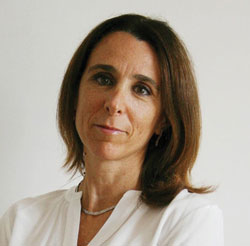
Lucilla Caricchio
Hylobates Consulting

Johanna Maukonen
IFF Health

Arthur C. Ouwehand
IFF Health

Serena Tongiani
Indena

Volker Spitzer
IQVIA Consumer Health

Stephanie Krammer-Lukas
IQVIA Consumer Health

Tyler Holstein
Kemin Human Nutrition and Health

Alison M. Winger
Key2Biotics

Karen E. Todd
Kyowa Hakko

Celia Martin
Lallemand Bio-Ingredients

Elodie Aragon
Lallemand Health Solutions

Chris Kilham
Medicine Hunter

Greg Cumberford
Natures Crops International

Pauline Cox
Sow & Arrow

Sybille Buchwald-Werner
Newday

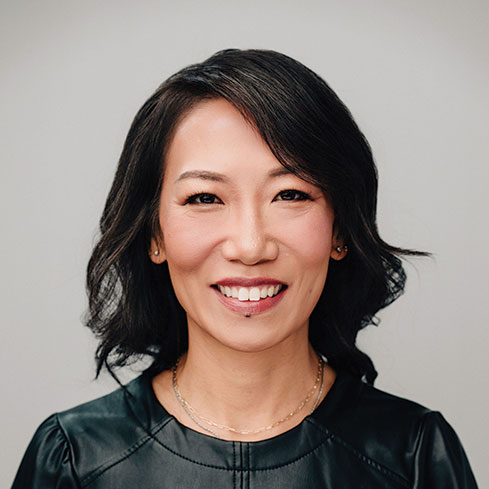

Laetitia d’Ursel
People Science
Belinda Tan
People Science
Colleen Quinn
Colleen Quinn Consultancy


Matevž Ambrožič
PharmaLinea
Maja Orešnik
PharmaLinea
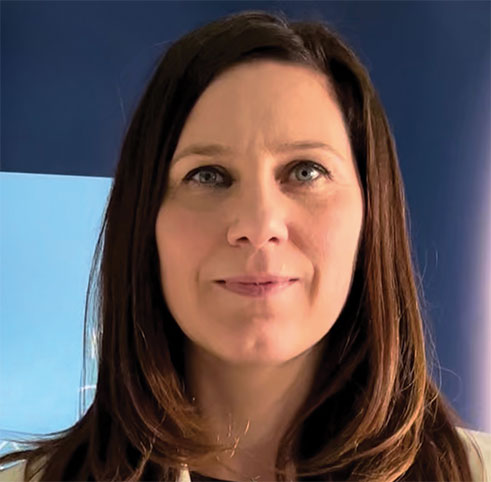

Lucia Barra
Probiotical
Annalisa Visciglia
Probiotical

Walter Fiore
ROELMI HPC

Florencia Moreno Torres
Rousselot
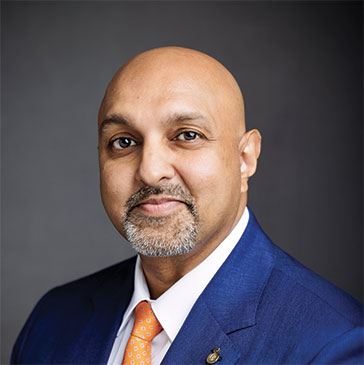
Shaheen Majeed
Sabinsa

Ilaria Campestri
B2B Health & Beauty,
ESG Industrial Processes Expert

Kelly Dobos
Consultant, Cosmetic Chemist

He Li
School of Food & Health
Beijing Technology & Business University

Claire Liu
Seppic
Suyin Perret-Gentil Robespierre
Suannutra

Jennifer Toomey
TopGum Industries

Inbal Nahmias
TopGum Industries

Anu Turpeinen
Valio