Panel discussion on...
Beauty from within and holistic trends
Kelly Dobos, MSc
Consultant, Cosmetic Chemist

Member of AgroFOOD Industry Hi Tech's Scientific Advisory Board

Questions
1.
2.
3.
4.
5.
6.
7.
8.
9.
10.
11.
The New Era of Beauty Claims
Where do you see the next cycle of beauty claims heading? What specific benefits are consumers searching for today, and where do you predict the market will move over the next five years? Any exciting innovations you want to share in this regard?
The intersection of GLP-1 with Hair & Skin
With the global rise of GLP-1 weight-loss medications, consumers are experiencing rapid metabolic shifts that often trigger hair loss and "Ozempic skin". How do you see the nutricosmetic segment evolving to support the intersection of beauty and weight management/metabolic health?
Holistic Beauty & The "Well-Beauty" Journey
Real beauty isn't just skin deep. What innovations are you developing to bridge beauty and wellness (e.g., neuro-beauty, mood/stress support, beauty sleep, or the gut-skin axis)? Which ingredients or concepts are currently shifting from other health categories into the nutricosmetic space?
Redefining Beauty Rituals
Topical beauty influencers have set a high bar for self-care beauty rituals—how is the nutricosmetic segment catching up? From delivery formats and flavor profiles to fragrance and texture, what is needed to evolve ingestible solutions into a truly joyful daily ritual? And where do you experience the most challenge in this respect?
The K-Beauty Influence
South Korean trends continue to redefine topical skincare. How are these K-Beauty principles being translated into the nutricosmetic industry?
Integrated "In & Out" Journeys
We are moving away from isolated products toward "integrated journeys." What evidence supports the superior efficacy of oral-topical pairings? Furthermore, how can nutricosmetics be better integrated into the dermatology space, accompanying at-home or in-clinic procedures? Is there a difference between different regions in the world?
Nutricosmetics as a Platform for Inclusivity
Skin is the most visible representation of our diversity. How do you research, develop, and market ingredients in a way that thoughtfully addresses differences in gender, ethnicity, and life stages? Any trends you are seeing or innovations you are excited about?
AI & The Feasibility of Hyper-Personalization
In the era of AI, how close are we to truly personalizing "beauty from within"? What are the greatest challenges and opportunities you see in developing ingredients and creating supplements truly tailored to an individual’s unique needs and biological data? Any other uses of AI in this space that you are excited about?
Sustainability & Clean Beauty 3.0
How is your organization addressing the demand for upcycling and "Clean Beauty 3.0"? Are there specific innovations in ingredients, technologies, or research methodologies that you believe the industry must adopt to meet the next generation of eco-conscious consumers?
The Next Phase of "Skinification"
We have seen the "skinification of hair," but where is the future of haircare headed? What "root cause" claims are consumers most seeking, and what is the next category you anticipate will undergo a similar "skinification" transformation?
Precision Solutions for Menopause
With the surge in perimenopause and menopause-specific products, how can we more accurately tailor solutions to women in these stages? What has the industry missed, and how can we better serve this demographic?
References and notes

Beauty from Within and the Rise of the “Well-Beauty” Paradigm: Towards Integrated In & Out Strategies for Healthy Longevity
1) I feel like we're in the middle of a pretty fundamental reset in how beauty claims are made and more importantly, how they’re evaluated. Consumers are more interested in evidence and mechanisms. You see that in the rise of claims tied to barrier repair, microbiome balance, and inflammation. At the same time, there’s a big shift from “anti-aging” to “aging well” or longevity thinking. That’s especially evident in claims language that is increasingly about resilience and prevention rather than reversal. The exciting part for me as a cosmetic chemist are the new innovative methods and instrumentation we have available today to measure efficacy, the challenge is making sure marketing claims don’t outpace the data.
4) This is where things get really interesting and also really difficult. The nutricosmetics category has grown because it taps into the compelling idea that beauty isn’t just topical. And the “beauty-from-within” concept continues to be driven by a broader shift toward preventive health and daily wellness routines. Where things get more complicated is efficacy. When I look at it from a scientific and formulation perspective there are some real challenges, especially around clinical evidence and cost–benefit. That doesn’t mean that some of these products don’t have some benefit but it does mean that expectations need to be carefully managed because, just like topical skin care, results are subtle and take a long time to achieve. And lastly, but perhaps most importantly, claims need to be honest and well substantiated which is necessary to build long-term trust.
5) K‑beauty has had a big influence in skincare. It’s pushed the industry toward barrier-focused care and fun, sensorial textures. Korea’s fast product iteration model is also likely pushing nutricosmetics toward quicker launches and more experimental formats. But I think it’s really important to separate formulation innovation from marketing narratives. K‑beauty excels at storytelling, and sometimes those stories get ahead of science.
Take snail mucin, for example. It’s positioned as this hero ingredient but from a formulation standpoint, it’s largely functioning as a humectant system not fundamentally all that different from some other materials we already use like glycerin, hyaluronic acid, or hydrocolloids. Snail secretion filtrate does contain a mixture of polysaccharides and small molecules that can contribute to hydration. But the key question I always come back to is it meaningfully better than existing approaches and does that justify the sourcing? Because once you start asking how that ingredient is harvested and standardized, the magic starts to fade.
9) If you look at how “clean beauty” has evolved over the past decade, we’ve really moved through a few distinct phases. Early on, it was very much about “free-from” positioning and focused on what’s not in the formula. Then it shifted to ingredient transparency and safety. Consumers still care about safety and transparency, but now they’re asking more questions about sustainability. Questions like where was this raw material sourced? What’s the environmental footprint of producing it? Can the brand actually verify its sustainability claims?
One of the more interesting developments in the cosmetic ingredients space is the rise of upcycled materials. We’re seeing byproducts from agriculture and the food industry, things like fruit peels, seed oils, even spent coffee grounds reframed as functional cosmetic ingredients. The isolation and characterization of specific compounds from these materials is particularly interesting. But turning a waste stream into a reproducible ingredient is definitely not easy, it requires real research and process controls. Another big shift is the use of biotechnology. Instead of relying on plant extraction, companies are moving towards using fermentation and bio-based manufacturing using yeast, bacteria, or algae to produce cosmetic ingredients and fragrance compounds with greater consistency. I think these two approaches are going to significantly contribute to ingredient discovery in the coming years.
10) If you look at how haircare has evolved over the past few years, the biggest shift has been a move away from hair as just a fiber and toward the intricacies of the scalp. That’s really the foundation of the whole “skinification” trend. What we’re seeing now is a much more biologically informed approach, one that recognizes that healthy hair starts with the follicle, and the follicle lives in the skin.
So it’s not surprising that we’re now seeing skincare ingredients like niacinamide, hyaluronic acid, and peptides showing up in scalp treatments and shampoos. They reflect a shift toward addressing things like barrier function, microbiome, and inflammation on the scalp. We’re seeing more emphasis on clinical-style claims like hair density, shedding reduction, and follicle health, and that I think that brings with it higher expectations for performance. You can’t just borrow the language of skincare without also doing the work to support it. Looking ahead, I think this “root cause” framing will continue to expand. And the "skinification" trend won’t stop with haircare. Body care, intimate care, even oral care. The opportunity is real, but it’s going to depend on applying the skincare product development mindset with a solid understanding of both formulation and physiology.
References and notes
- (1) Ramos Junior, O. J. F., de Souza Filho, C. A., Majeed, S., & Alvares, T. S. (2026). Long-term beetroot extract supplementation improves morphological muscle quality and rate of force development in postmenopausal women: A randomized clinical trial. Nutrients, 18(5), 860. https://doi.org/10.3390/nu18050860
- (2) Pinheiro, V. S., Proctor, D. N., Soares, R. N., & Alvares, T. S. (2025). Effect of 12-week dietary nitrate supplementation on carotid arterial stiffness in postmenopausal females. American Journal of Physiology: Heart and Circulatory Physiology, 328(4), H937–H944. https://doi.org/10.1152/ajpheart.00065.2025
Panelists

Vincenzo Zaccaria
Bionap (Active Group)
Trisha Sugarek MacDonald
Akay Bioactives, an Oterra company

Benny Antony
Arjuna Natural
Carlos Morales Ruiz
Aurora Intelligent Nutrition
Juliane Hellhammer
DAACRO

Franziska Schmitt
DAACRO

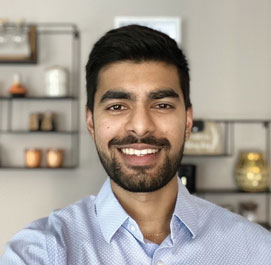
Annie Liu
DolCas Biotech
KG Rao
DolCas Biotech
Zachin Rao
DolCas Biotech
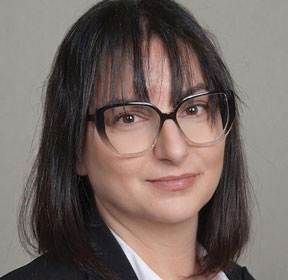
Miri Eliyahu
Euromonitor International

Magda Starula
Euromonitor International

Aarthi Janakiraman
Everest Group

Dieter Bracke
Fermedics BV

Mike Hughes
FMCG Gurus
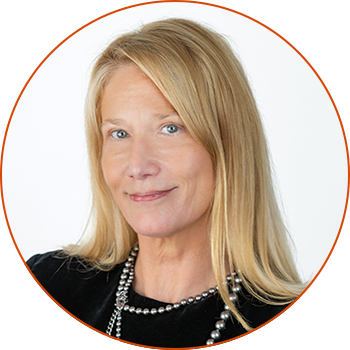
Katia Merten-Lentz
Food Law Science and Partners

Oliver Wolf
Gelita
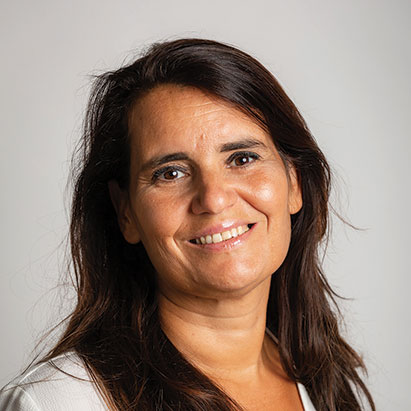
Silvia Pisoni
Gnosis by Lesaffre

David Foreman
Herbal Pharmacist Media
Lucilla Caricchio
Hylobates Consulting

Johanna Maukonen
IFF Health

Arthur C. Ouwehand
IFF Health

Serena Tongiani
Indena

Volker Spitzer
IQVIA Consumer Health

Stephanie Krammer-Lukas
IQVIA Consumer Health
Tyler Holstein
Kemin Human Nutrition and Health
Alison M. Winger
Key2Biotics

Karen E. Todd
Kyowa Hakko
Celia Martin
Lallemand Bio-Ingredients

Elodie Aragon
Lallemand Health Solutions

Chris Kilham
Medicine Hunter

Greg Cumberford
Natures Crops International
Pauline Cox
Sow & Arrow

Sybille Buchwald-Werner
Newday

Laetitia d’Ursel
People Science
Belinda Tan
People Science
Colleen Quinn
Colleen Quinn Consultancy
Matevž Ambrožič
PharmaLinea
Maja Orešnik
PharmaLinea
Lucia Barra
Probiotical
Annalisa Visciglia
Probiotical
Walter Fiore
ROELMI HPC

Florencia Moreno Torres
Rousselot
Shaheen Majeed
Sabinsa

Ilaria Campestri
B2B Health & Beauty,
ESG Industrial Processes Expert
Kelly Dobos
Consultant, Cosmetic Chemist

He Li
School of Food & Health
Beijing Technology & Business University
Claire Liu
Seppic
Suyin Perret-Gentil Robespierre
Suannutra

Jennifer Toomey
TopGum Industries
Inbal Nahmias
TopGum Industries

Anu Turpeinen
Valio