Panel discussion on...
Beauty from within and holistic trends
Laetitia d’Ursel, MBA1 , Dr. Belinda Tan, MD, PhD2 ,
Colleen Quinn, MRSC3
1. Head of Marketing at People Science
2. Co-Founder Co-CEO, People Science
3. Founder, Colleen Quinn Consultancy

About the Author
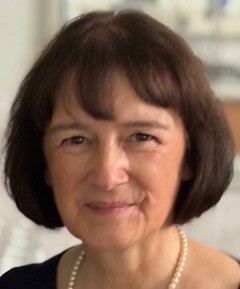
Prof. Dr. Simone Peschke
Emerita Professor, Consulting and coaching food technology Main focus: Innovation and flavor technology
Professor of Food Technology, Berlin University of Applied Sciences (10 years)
Main focus: Innovation and Product Development, Flavor Technology (in cooperation with DVAI), Functional and Novel Foods, Techno-functional Ingredients
Technical Director, Business Unit Sweet & Head of Competence Center Health & Nutrition, Symrise AG (7 years)
Senior Director Research, Development & Application Ingredients Europe, Wild Flavors Berlin (17 years)
Member of AgroFOOD Industry Hi Tech's Scientific Advisory Board


Questions
1.
2.
3.
4.
5.
6.
7.
8.
9.
10.
11.
The New Era of Beauty Claims
Where do you see the next cycle of beauty claims heading? What specific benefits are consumers searching for today, and where do you predict the market will move over the next five years? Any exciting innovations you want to share in this regard?
The intersection of GLP-1 with Hair & Skin
With the global rise of GLP-1 weight-loss medications, consumers are experiencing rapid metabolic shifts that often trigger hair loss and "Ozempic skin". How do you see the nutricosmetic segment evolving to support the intersection of beauty and weight management/metabolic health?
Holistic Beauty & The "Well-Beauty" Journey
Real beauty isn't just skin deep. What innovations are you developing to bridge beauty and wellness (e.g., neuro-beauty, mood/stress support, beauty sleep, or the gut-skin axis)? Which ingredients or concepts are currently shifting from other health categories into the nutricosmetic space?
Redefining Beauty Rituals
Topical beauty influencers have set a high bar for self-care beauty rituals—how is the nutricosmetic segment catching up? From delivery formats and flavor profiles to fragrance and texture, what is needed to evolve ingestible solutions into a truly joyful daily ritual? And where do you experience the most challenge in this respect?
The K-Beauty Influence
South Korean trends continue to redefine topical skincare. How are these K-Beauty principles being translated into the nutricosmetic industry?
Integrated "In & Out" Journeys
We are moving away from isolated products toward "integrated journeys." What evidence supports the superior efficacy of oral-topical pairings? Furthermore, how can nutricosmetics be better integrated into the dermatology space, accompanying at-home or in-clinic procedures? Is there a difference between different regions in the world?
Nutricosmetics as a Platform for Inclusivity
Skin is the most visible representation of our diversity. How do you research, develop, and market ingredients in a way that thoughtfully addresses differences in gender, ethnicity, and life stages? Any trends you are seeing or innovations you are excited about?
AI & The Feasibility of Hyper-Personalization
In the era of AI, how close are we to truly personalizing "beauty from within"? What are the greatest challenges and opportunities you see in developing ingredients and creating supplements truly tailored to an individual’s unique needs and biological data? Any other uses of AI in this space that you are excited about?
Sustainability & Clean Beauty 3.0
How is your organization addressing the demand for upcycling and "Clean Beauty 3.0"? Are there specific innovations in ingredients, technologies, or research methodologies that you believe the industry must adopt to meet the next generation of eco-conscious consumers?
The Next Phase of "Skinification"
We have seen the "skinification of hair," but where is the future of haircare headed? What "root cause" claims are consumers most seeking, and what is the next category you anticipate will undergo a similar "skinification" transformation?
Precision Solutions for Menopause
With the surge in perimenopause and menopause-specific products, how can we more accurately tailor solutions to women in these stages? What has the industry missed, and how can we better serve this demographic?
References and notes

The beauty and wellness landscapes are converging into an evidence-based era of "Well-Beauty". This shift requires us to honor individualized human biology while validating products with the same clinical rigor applied to modern medicine. As dermopathologists, cellular biologists, and decentralized clinical trial (DCT) specialists, our work bridges time-tested holistic knowledge with advanced clinical methodologies to shape the next generation of nutricosmetics.
1) Consumer literacy has shifted the conversation from whether an ingredient is "natural" to whether it measurably moves a biological signal. Skin is a dynamic organ seeking homeostasis. Validating ingestible bioactives requires moving past superficial measures to target localized cellular mechanics, such as DNA repair, fibroblast activation, and advanced glycation end-product (AGE) inhibition, within real-world settings.
Capturing how these pathways respond to daily stressors requires a departure from traditional, low-compliance clinical models. Decentralized research networks allow us to track micro-biological impacts via continuous, remote data collection. Pairing targeted ingestibles with validated, longitudinal endpoints (like dermal density on ultrasound, AGE auto-fluorescence, and sleep architecture) shifts the narrative from static marketing to objective, quantifiable cellular resilience.
2) The global rise of GLP-1 receptor agonist (GLP-1 RA) weight-loss medications introduces a novel biological challenge: rapid metabolic shifts that carry unique risks of nutritional deficiencies and unmapped disruptions in the gut and skin microbiota.
Addressing this multi-system stressor requires screening for genuine micronutrient gaps, leveraging the microbiome to support tissue resilience under stress, and supplying specific bioactives to safely restore skin elasticity and hair follicle vitality. Modern decentralized trials offer an unprecedented opportunity here. By utilizing real-time digital tracking and high-resolution at-home imaging, we can monitor how targeted nutritional support and microbiome-focused interventions stabilize the body's ecosystem, allowing hair and skin to return to healthy homeostasis as weight stabilizes.
3) Western science now validates the gut-skin-brain axis. In integrative practice, the most underrated nutricosmetic is sleep. Cortisol, melatonin, and growth hormone run on a tight circadian clock; emotional and physical stress directly destabilizes sleep architecture, triggering or exacerbating inflammatory conditions like eczema, psoriasis, seborrheic dermatitis, and urticaria. A true integrative approach must prioritize whole-person health:
- Neuro-Beauty and Circadian Support: Rather than chasing vague "stress relief," we evaluate how botanical adaptogens (like Rhodiola and Ashwagandha) (1) modulate the HPA axis to mitigate cortisol-induced collagen degradation. To break the stress-sleep cycle, we published data in Nature Scientific Reports (2) demonstrating the efficacy of a safe, non-drug, GABA-producing oral probiotic to subjectively and objectively improve sleep parameters.
- The Gut-Skin Axis and Molecular Biomarkers: We are moving toward targeted strains (such as Lactobacillus rhamnosus) that downregulate systemic pro-inflammatory cytokines like TNF-𝛼 and IL-6 (3). Crucially, by utilizing advanced clinical tools like skin tape stripping alongside at-home stool and blood sequencing, we can objectively measure localized molecular and barrier outcomes directly from the participant’s home.
6) The industry is moving away from isolated topical creams toward integrated "In & Out" systems. Topicals protect and treat the stratum corneum, while oral nutricosmetics deliver systemic building blocks via the microvasculature to feed the living dermis.
In aesthetic dermatology, the most compelling oral-topical pairings are precisely timed around procedures. Pre-loading patients for four to six weeks with omega-3s, vitamin C, zinc, and clinical-grade collagen peptides before microneedling or fractional laser leverages oral administration to increase collagen-derived peptides in the bloodstream, driving cellular repair and supporting tissue properties from within (4). In real-world practice, simplified clinician-curated regimens consistently outperform highly complex, multi-product protocols, as increasing the number of active steps drastically undermines patient adherence (5). Less is more, sequence is everything.
7) Skin is a highly diverse organ, with structural architectures and photo-aging behaviors that vary significantly across different ethnicities. Historically, clinical dermatology suffered from a profound homogeneity bias, relying disproportionately on lighter skin types. True inclusivity requires designing research methodologies that reflect the actual global population.
Furthermore, the industry's critical scientific blind spots remain advanced age and gender diversity. Very few nutricosmetic trials enroll patients over the age of 65, a demographic where skin biology is most distinct. Similarly, the industry possesses essentially no data on individuals undergoing gender-affirming hormone therapy (GAHT), whose skin structure and barrier mechanics respond dramatically to exogenous hormones.
Decentralized clinical trials (DCTs) are the essential catalyst for this democratization. By deploying digital-first enrollment, site-less trial infrastructures, and validated remote assessment tools, we eliminate geographic and socioeconomic barriers, ensuring that product efficacy is verified across a broad spectrum of genetic backgrounds, gender expressions, and life stages.
8) True personalization requires longitudinal data tracked on the same individual over time, rather than a basic regression model running on a static survey. The real value of machine learning lies in its ability to quickly synthesize fragmented, multi-omic datasets, integrating gut microbiome sequencing, genomic variations, and the exposome, into precise protocols.
In real-world practice, AI’s most meaningful revolution standardizes photographic assessments of treatment responses, optimizes adherence through smart reminders, and handles data triaging. By allowing algorithms to manage data collection, we unlock the true potential of the AI-augmented clinician, shifting the industry toward a rigorous, human-centered science.
10) The "skinification of hair" successfully shifted consumer awareness to the living scalp ecosystem. The current market demands root-cause claims targeting follicular health, localized microbiome balance, and the micro-capillary system. Reversing hair graying safely represents a wild, highly anticipated frontier.
Looking forward, the next territories ripe for a similar scientific transformation are the periorbital region and intimate mucosal tissue. Eyelid skin is the thinnest on the body and exquisitely sensitive to systemic inflammation. A modern "skinification" must treat the eyelid, the tear film, and the lid microbiome as a unified ecosystem. Similarly, vulvar and vaginal tissue during perimenopause deserves the exact same rigorous scientific attention, biomarker tracking, and formulation design that we dedicate to facial skin.
11) The sharp decline in circulating estrogen triggers a documented 30% reduction in skin collagen content within the first five years of menopause, alongside a severe drop in lipid synthesis.
However, the industry treats menopause as a static window, ignoring that the real biological arc spans 15 to 20 years. Serving this demographic requires stratified clinical trials, not a single "menopause SKU," and must account for whether women are on Menopause Hormone Therapy (MHT). Furthermore, functional physical capacity, such as grip strength, independently predicts skin structural quality. By leveraging DCT platforms to conduct long-term studies across these precise populations, we generate high-compliance, objective data, establishing well-beauty as a cornerstone of longevity medicine.
Conclusion
The future of nutricosmetics belongs to formulations that respect both human biology and the consumer's intelligence. By marrying systemic homeostasis with tech-enabled, decentralized clinical trial models, we replace faith with verifiable data, transparency, and clinical truth.
References and notes
- Panossian, A., & Wikman, G. (2010). Effects of adaptogens on the central nervous system and the molecular mechanisms associated with their stress-protective activity. Pharmaceuticals, 3(1), 188-224.
- Grant AD, Erfe MCB, Delebecque CJ, Keller D, Zimmerman NP, Kazaryan A, et al. Lactiplantibacillus plantarum Lp815 improves sleep and increases urinary GABA in a randomized, double-blind, placebo-controlled study of sleep disturbance. Sci Rep. 2026;16(1):644.
- Monteagudo-Mera, A., Fanti, V., Rodriguez-Sobstel, C., Gibson, G., Wijeyesekera, Anisha., Karatzas, K. A., & Chakrabarti, B. (2022). Gamma aminobutyric acid production by commercially available probiotic strains. Journal of Applied Microbiology, 134(2), lxac066.
- Aguirre-Cruz, G., León-López, A., Cruz-Gómez, V., Jiménez-Alvarado, R., & Aguirre-Álvarez, G. (2020). Collagen hydrolysates for skin protection: Oral administration and topical formulation. Antioxidants, 9(2), 181.
- Ahn CS, Culp L, Huang WW, Davis SA, Feldman SR. Adherence in dermatology. J Dermatolog Treat. 2017 Mar;28(2):94-103.
Panelists

Vincenzo Zaccaria
Bionap (Active Group)
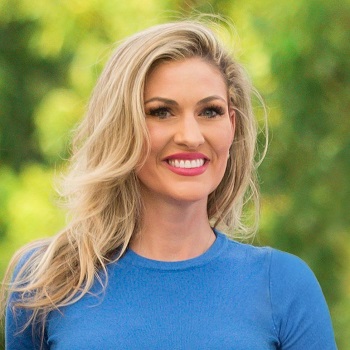
Trisha Sugarek MacDonald
Akay Bioactives, an Oterra company

Benny Antony
Arjuna Natural
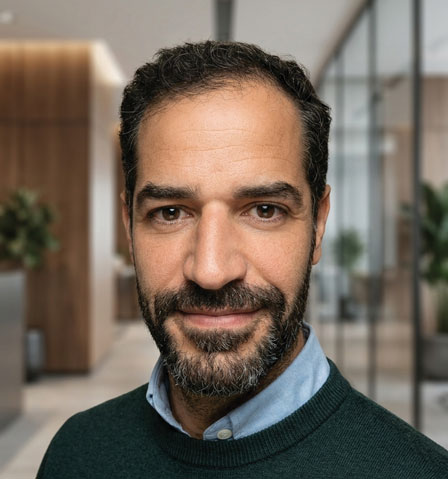
Carlos Morales Ruiz
Aurora Intelligent Nutrition

Juliane Hellhammer
DAACRO

Franziska Schmitt
DAACRO


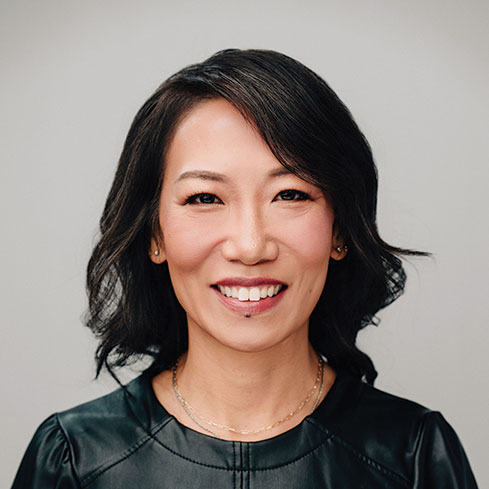
Annie Liu
DolCas Biotech
KG Rao
DolCas Biotech
Zachin Rao
DolCas Biotech

Miri Eliyahu
Euromonitor International

Magda Starula
Euromonitor International

Aarthi Janakiraman
Everest Group

Dieter Bracke
Fermedics BV
Mike Hughes
FMCG Gurus
Katia Merten-Lentz
Food Law Science and Partners

Oliver Wolf
Gelita
Silvia Pisoni
Gnosis by Lesaffre

David Foreman
Herbal Pharmacist Media
Lucilla Caricchio
Hylobates Consulting

Johanna Maukonen
IFF Health

Arthur C. Ouwehand
IFF Health

Serena Tongiani
Indena

Volker Spitzer
IQVIA Consumer Health

Stephanie Krammer-Lukas
IQVIA Consumer Health

Tyler Holstein
Kemin Human Nutrition and Health

Alison M. Winger
Key2Biotics

Karen E. Todd
Kyowa Hakko

Celia Martin
Lallemand Bio-Ingredients

Elodie Aragon
Lallemand Health Solutions

Chris Kilham
Medicine Hunter

Greg Cumberford
Natures Crops International

Pauline Cox
Sow & Arrow

Sybille Buchwald-Werner
Newday
Laetitia d’Ursel
People Science
Belinda Tan
People Science
Colleen Quinn
Colleen Quinn Consultancy

Matevž Ambrožič
PharmaLinea
Maja Orešnik
PharmaLinea
Lucia Barra
Probiotical
Annalisa Visciglia
Probiotical

Walter Fiore
ROELMI HPC

Florencia Moreno Torres
Rousselot
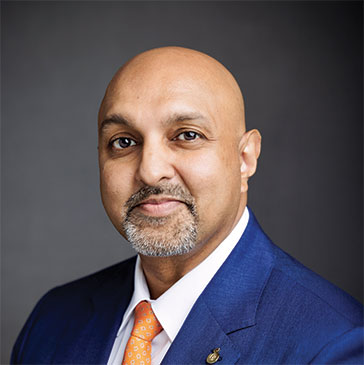
Shaheen Majeed
Sabinsa

Ilaria Campestri
B2B Health & Beauty,
ESG Industrial Processes Expert

Kelly Dobos
Consultant, Cosmetic Chemist

He Li
School of Food & Health
Beijing Technology & Business University

Claire Liu
Seppic
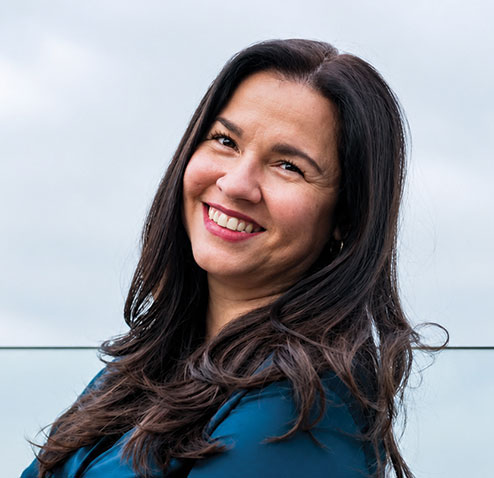
Suyin Perret-Gentil Robespierre
Suannutra

Jennifer Toomey
TopGum Industries

Inbal Nahmias
TopGum Industries

Anu Turpeinen
Valio