Panel discussion on...
Beauty from within and holistic trends
Dieter Bracke
Chief Scientific Officer, Fermedics BV

Member of AgroFOOD Industry Hi Tech's Scientific Advisory Board

Questions
1.
2.
3.
4.
5.
6.
7.
8.
9.
10.
11.
The New Era of Beauty Claims
Where do you see the next cycle of beauty claims heading? What specific benefits are consumers searching for today, and where do you predict the market will move over the next five years? Any exciting innovations you want to share in this regard?
The intersection of GLP-1 with Hair & Skin
With the global rise of GLP-1 weight-loss medications, consumers are experiencing rapid metabolic shifts that often trigger hair loss and "Ozempic skin". How do you see the nutricosmetic segment evolving to support the intersection of beauty and weight management/metabolic health?
Holistic Beauty & The "Well-Beauty" Journey
Real beauty isn't just skin deep. What innovations are you developing to bridge beauty and wellness (e.g., neuro-beauty, mood/stress support, beauty sleep, or the gut-skin axis)? Which ingredients or concepts are currently shifting from other health categories into the nutricosmetic space?
Redefining Beauty Rituals
Topical beauty influencers have set a high bar for self-care beauty rituals—how is the nutricosmetic segment catching up? From delivery formats and flavor profiles to fragrance and texture, what is needed to evolve ingestible solutions into a truly joyful daily ritual? And where do you experience the most challenge in this respect?
The K-Beauty Influence
South Korean trends continue to redefine topical skincare. How are these K-Beauty principles being translated into the nutricosmetic industry?
Integrated "In & Out" Journeys
We are moving away from isolated products toward "integrated journeys." What evidence supports the superior efficacy of oral-topical pairings? Furthermore, how can nutricosmetics be better integrated into the dermatology space, accompanying at-home or in-clinic procedures? Is there a difference between different regions in the world?
Nutricosmetics as a Platform for Inclusivity
Skin is the most visible representation of our diversity. How do you research, develop, and market ingredients in a way that thoughtfully addresses differences in gender, ethnicity, and life stages? Any trends you are seeing or innovations you are excited about?
AI & The Feasibility of Hyper-Personalization
In the era of AI, how close are we to truly personalizing "beauty from within"? What are the greatest challenges and opportunities you see in developing ingredients and creating supplements truly tailored to an individual’s unique needs and biological data? Any other uses of AI in this space that you are excited about?
Sustainability & Clean Beauty 3.0
How is your organization addressing the demand for upcycling and "Clean Beauty 3.0"? Are there specific innovations in ingredients, technologies, or research methodologies that you believe the industry must adopt to meet the next generation of eco-conscious consumers?
The Next Phase of "Skinification"
We have seen the "skinification of hair," but where is the future of haircare headed? What "root cause" claims are consumers most seeking, and what is the next category you anticipate will undergo a similar "skinification" transformation?
Precision Solutions for Menopause
With the surge in perimenopause and menopause-specific products, how can we more accurately tailor solutions to women in these stages? What has the industry missed, and how can we better serve this demographic?
References and notes

“Beauty from within and holistic trends”
Consumers today are more informed and biologically aware than ever before. Beauty is no longer perceived purely as an external or cosmetic concept, but increasingly as a reflection of overall health, resilience and lifestyle. People better understand that skin structure, skin radiance, skin hydration and even inflammatory skin conditions are not merely influenced by what is applied topically, but are strongly impacted by what is happening internally — including gut health, immune activation, metabolic balance, sleep quality, stress and nutrition.
As a result, the next generation of beauty claims is evolving away from purely superficial benefits toward more functional, holistic and longevity-driven concepts. Consumers are increasingly searching for benefits linked to skin vitality, healthy aging, stress resilience, sleep quality, microbiome diversity, immune support and metabolic beauty. Over the coming years, I believe the beauty category will continue converging with the broader wellness and longevity sectors as consumers increasingly understand that beauty and healthy aging are deeply interconnected.
One particularly exciting area is autophagy — the body’s natural cellular renewal and recycling mechanism. Supporting healthy cellular renewal processes may contribute to skin regeneration, collagen homeostasis and overall tissue vitality. In this regard, longevity-focused ingredients such as spermidine are attracting increasing attention because of their association with healthy cellular renewal pathways and autophagy-related mechanisms. This reflects the broader transition from purely cosmetic beauty solutions toward approaches that support long-term cellular vitality and healthy aging from within.
At the same time, one of the most important scientific developments is the growing understanding of the gut-brain-skin axis. Emerging research continues to demonstrate the profound influence of the gut microbiome on immune regulation, systemic inflammation, stress resilience and skin health. Skin aging, skin radiance and skin hydration are increasingly recognized as being closely linked to internal physiological balance and microbiome diversity.
Interestingly, recent findings from the Sonnenburg Lab at Stanford University(1, 2, 3) suggest that fermented foods may improve microbiome diversity more effectively than fiber intake alone. This is helping shift the conversation beyond traditional probiotics toward broader microbiome-supportive approaches involving prebiotics, postbiotics and fermented foods as part of holistic beauty and healthy aging strategies.
Consumers are also becoming much more aware of the impact of chronic stress and sleep deprivation on visible aging. Poor sleep does not only affect energy levels and mood, but also directly impacts regenerative and cellular clean-up processes within the body. Sleep deprivation is increasingly associated with impaired recovery, increased inflammatory signaling and accelerated visible aging.
Particularly interesting is the growing scientific interest in glymphatic drainage during deep sleep (4, 5, 6). During the night, the brain undergoes an important cleansing process in which metabolic waste products are removed more efficiently. Impaired sleep quality may negatively affect this process, potentially influencing cognitive function, stress resilience and overall physiological balance. Because the gut, brain and immune system communicate bidirectionally, disturbances in sleep and stress regulation may indirectly influence gut health, immune activation and ultimately skin health.
This growing understanding is accelerating the convergence between neuro-health, wellness and beauty. Concepts such as stress resilience, emotional wellness and beauty sleep are becoming increasingly important pillars within next-generation nutricosmetic innovation. Ingredients traditionally associated with relaxation and cognitive wellness — including adaptogens, L-theanine and magnesium — are increasingly entering the beauty-from-within category because of their potential role in supporting sleep quality, stress regulation and overall well-being.
At the same time, consumers are increasingly integrating broader wellness protocols into their beauty routines. Daily skincare rituals are no longer only about appearance, but also about relaxation, recovery and emotional well-being. Practices such as mindfulness, recovery therapies and the use of infrared (IR) and near-infrared (NIR) light panels are increasingly becoming part of holistic self-care rituals aimed at supporting mitochondrial function, recovery, skin health and healthy aging.
This evolution also creates an important challenge for the nutricosmetic industry. A single capsule or tablet does not naturally provide the same sensorial and emotional experience as a complete skincare ritual. As a result, the industry is increasingly challenged to create ingestible beauty concepts that combine efficacy with enjoyment and ritualization. Gummies, beauty beverages, stick packs and ready-to-drink concepts are gaining popularity because they integrate more naturally into wellness-oriented lifestyles and create a more engaging consumer experience.
One of the major formulation challenges remains balancing clinically relevant dosages with enjoyable sensory experiences and clean-label positioning. Many highly effective natural ingredients come with formulation challenges related to bitterness, stability, solubility or color. Creating products that remain both highly efficacious and sensorially appealing without relying heavily on artificial additives remains a significant hurdle for the industry.
Sustainability is also rapidly evolving from a marketing concept into a core innovation driver. Consumers increasingly evaluate products not only on efficacy, but also on sourcing practices, production technologies, environmental impact and ingredient transparency. “Clean Beauty 3.0” goes far beyond simply avoiding controversial ingredients and increasingly focuses on regenerative sourcing, circular production systems and environmentally responsible technologies.
In this context, fermentation technologies represent one of the most promising innovation platforms. Fermentation allows natural ingredients to be biotransformed into more bioactive and bioavailable forms while reducing the need for harsh chemical processing or synthetic additives. Fermentation may also play an important role in upcycling strategies. Food streams or botanical materials that no longer meet conventional food market standards may still contain highly valuable bioactive compounds. Through fermentation concepts, these materials can potentially be repurposed into functional ingredients with enhanced bioactivity and improved sustainability profiles, contributing to more circular production systems and reduced waste streams.
Finally, I believe one of the most important future growth areas lies within peri-menopause and menopause-focused innovation. Historically, this demographic has been underserved despite the profound physiological changes women experience during this life stage. The industry has often focused too narrowly on hormonal symptoms alone while underestimating the importance of mitochondrial health, muscle preservation, metabolic resilience, sleep quality and overall vitality.
Longevity science increasingly recognizes mitochondrial function as one of the central drivers behind healthy aging (7). Mitochondria are not only responsible for cellular energy production, but also play a critical role in steroid hormone synthesis, including estrogen and progesterone production (8). This creates a strong connection between mitochondrial health, hormonal balance and healthy aging during menopause.
At the same time, muscle health is becoming increasingly important within menopause-focused innovation. Maintaining muscle mass contributes not only to metabolic health and mobility, but also to posture, skin firmness, energy levels and overall healthy aging outcomes. As a result, ingredients traditionally associated with sports nutrition and longevity — including proteins, amino acids, creatine, pomegranate extracts and urolithins — are increasingly entering the beauty and healthy aging categories.
Ultimately, the future of beauty will become far more holistic, interconnected and longevity-focused. The focus will move away from simply masking signs of aging toward supporting resilience, recovery, vitality and healthy aging from within.
References and notes
- Fermented-food diet increases microbiome diversity, decreases inflammatory proteins, study finds. Stanford Medicine News Center. 2021.
- Wastyk HC, Fragiadakis GK, Perelman D, Dahan D, Merrill BD, Yu FB, Topf M, Gonzalez CG, Van Treuren W, Han S, Robinson JL, Elias JE, Sonnenburg ED, Gardner CD, Sonnenburg JL. Gut-microbiota-targeted diets modulate human immune status. Cell. 2021 Aug 5;184(16):4137-4153.e14. doi: 10.1016/j.cell.2021.06.019. Epub 2021 Jul 12. PMID: 34256014; PMCID: PMC9020749.
- Caffrey EB, Perelman D, Ward CP, Sonnenburg ED, Gardner CD, Sonnenburg JL. Unpacking Food Fermentation: Clinically Relevant Tools for Fermented Food Identification and Consumption. Adv Nutr. 2025 May;16(5):100412. doi: 10.1016/j.advnut.2025.100412. Epub 2025 Mar 21. PMID: 40120687; PMCID: PMC12056253.
- Ma, J., Chen, M., Liu, GH. et al. Effects of sleep on the glymphatic functioning and multimodal human brain network affecting memory in older adults. Mol Psychiatry 30, 1717–1729 (2025). https://doi.org/10.1038/s41380-024-02778-0
- Cleveland Clinic – Glymphatic system: What it is, function and how it works. Last updated 10/06/2025.
- Eide PK, Vinje V, Pripp AH, Mardal KA, Ringstad G. Sleep deprivation impairs molecular clearance from the human brain. Brain. 2021 Apr 12;144(3):863-874. doi: 10.1093/brain/awaa443. PMID: 33829232.
- Caicedo A, Singh KK. Mitochondria makeover: unlocking the path to healthy longevity. Expert Opin Ther Targets. 2024 Jun;28(6):477-480. doi: 10.1080/14728222.2023.2277240. Epub 2023 Nov 2. PMID: 37902532; PMCID: PMC12269553.
- Ramalho-Santos J, Amaral S. Mitochondria and mammalian reproduction. Mol Cell Endocrinol. 2013 Oct 15;379(1-2):74-84. doi: 10.1016/j.mce.2013.06.005. Epub 2013 Jun 13. PMID: 23769709.
Panelists

Vincenzo Zaccaria
Bionap (Active Group)
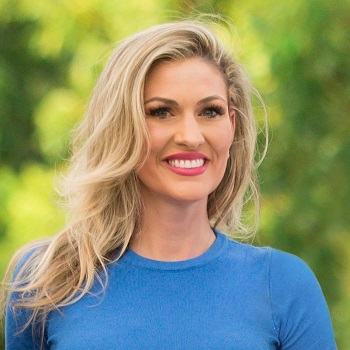
Trisha Sugarek MacDonald
Akay Bioactives, an Oterra company

Benny Antony
Arjuna Natural
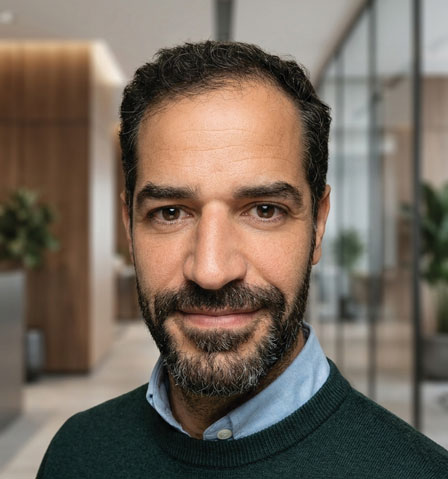
Carlos Morales Ruiz
Aurora Intelligent Nutrition

Juliane Hellhammer
DAACRO

Franziska Schmitt
DAACRO


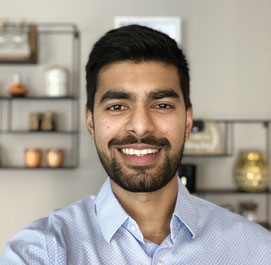
Annie Liu
DolCas Biotech
KG Rao
DolCas Biotech
Zachin Rao
DolCas Biotech

Miri Eliyahu
Euromonitor International

Magda Starula
Euromonitor International

Aarthi Janakiraman
Everest Group

Dieter Bracke
Fermedics BV

Mike Hughes
FMCG Gurus
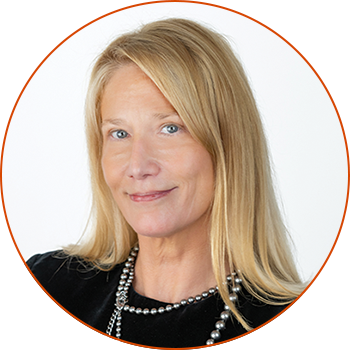
Katia Merten-Lentz
Food Law Science and Partners

Oliver Wolf
Gelita
Silvia Pisoni
Gnosis by Lesaffre

David Foreman
Herbal Pharmacist Media
Lucilla Caricchio
Hylobates Consulting

Johanna Maukonen
IFF Health

Arthur C. Ouwehand
IFF Health

Serena Tongiani
Indena

Volker Spitzer
IQVIA Consumer Health

Stephanie Krammer-Lukas
IQVIA Consumer Health

Tyler Holstein
Kemin Human Nutrition and Health

Alison M. Winger
Key2Biotics

Karen E. Todd
Kyowa Hakko

Celia Martin
Lallemand Bio-Ingredients

Elodie Aragon
Lallemand Health Solutions

Chris Kilham
Medicine Hunter

Greg Cumberford
Natures Crops International
Pauline Cox
Sow & Arrow

Sybille Buchwald-Werner
Newday


Laetitia d’Ursel
People Science
Belinda Tan
People Science
Colleen Quinn
Colleen Quinn Consultancy
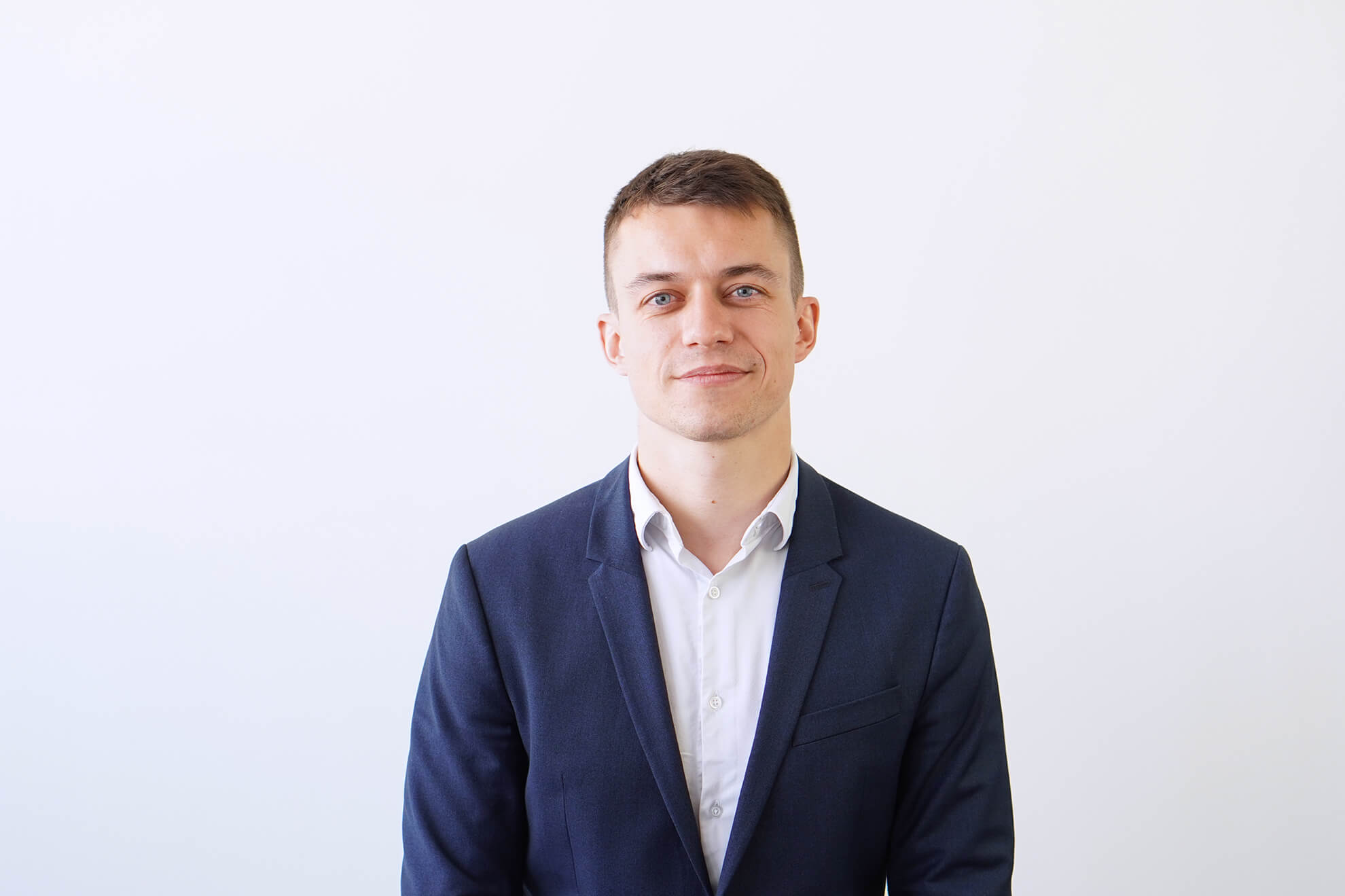

Matevž Ambrožič
PharmaLinea
Maja Orešnik
PharmaLinea

Lucia Barra
Probiotical
Annalisa Visciglia
Probiotical

Walter Fiore
ROELMI HPC

Florencia Moreno Torres
Rousselot
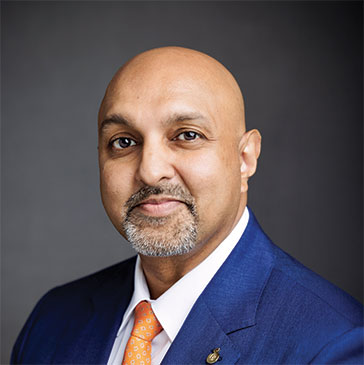
Shaheen Majeed
Sabinsa

Ilaria Campestri
B2B Health & Beauty,
ESG Industrial Processes Expert

Kelly Dobos
Consultant, Cosmetic Chemist

He Li
School of Food & Health
Beijing Technology & Business University

Claire Liu
Seppic

Suyin Perret-Gentil Robespierre
Suannutra

Jennifer Toomey
TopGum Industries
Inbal Nahmias
TopGum Industries

Anu Turpeinen
Valio