Panel discussion on...
Beauty from within and holistic trends
Aarthi Janakiraman
Research Director, Everest Group

Member of AgroFOOD Industry Hi Tech's Scientific Advisory Board

Questions
1.
2.
3.
4.
5.
6.
7.
8.
9.
10.
11.
The New Era of Beauty Claims
Where do you see the next cycle of beauty claims heading? What specific benefits are consumers searching for today, and where do you predict the market will move over the next five years? Any exciting innovations you want to share in this regard?
The intersection of GLP-1 with Hair & Skin
With the global rise of GLP-1 weight-loss medications, consumers are experiencing rapid metabolic shifts that often trigger hair loss and "Ozempic skin". How do you see the nutricosmetic segment evolving to support the intersection of beauty and weight management/metabolic health?
Holistic Beauty & The "Well-Beauty" Journey
Real beauty isn't just skin deep. What innovations are you developing to bridge beauty and wellness (e.g., neuro-beauty, mood/stress support, beauty sleep, or the gut-skin axis)? Which ingredients or concepts are currently shifting from other health categories into the nutricosmetic space?
Redefining Beauty Rituals
Topical beauty influencers have set a high bar for self-care beauty rituals—how is the nutricosmetic segment catching up? From delivery formats and flavor profiles to fragrance and texture, what is needed to evolve ingestible solutions into a truly joyful daily ritual? And where do you experience the most challenge in this respect?
The K-Beauty Influence
South Korean trends continue to redefine topical skincare. How are these K-Beauty principles being translated into the nutricosmetic industry?
Integrated "In & Out" Journeys
We are moving away from isolated products toward "integrated journeys." What evidence supports the superior efficacy of oral-topical pairings? Furthermore, how can nutricosmetics be better integrated into the dermatology space, accompanying at-home or in-clinic procedures? Is there a difference between different regions in the world?
Nutricosmetics as a Platform for Inclusivity
Skin is the most visible representation of our diversity. How do you research, develop, and market ingredients in a way that thoughtfully addresses differences in gender, ethnicity, and life stages? Any trends you are seeing or innovations you are excited about?
AI & The Feasibility of Hyper-Personalization
In the era of AI, how close are we to truly personalizing "beauty from within"? What are the greatest challenges and opportunities you see in developing ingredients and creating supplements truly tailored to an individual’s unique needs and biological data? Any other uses of AI in this space that you are excited about?
Sustainability & Clean Beauty 3.0
How is your organization addressing the demand for upcycling and "Clean Beauty 3.0"? Are there specific innovations in ingredients, technologies, or research methodologies that you believe the industry must adopt to meet the next generation of eco-conscious consumers?
The Next Phase of "Skinification"
We have seen the "skinification of hair," but where is the future of haircare headed? What "root cause" claims are consumers most seeking, and what is the next category you anticipate will undergo a similar "skinification" transformation?
Precision Solutions for Menopause
With the surge in perimenopause and menopause-specific products, how can we more accurately tailor solutions to women in these stages? What has the industry missed, and how can we better serve this demographic?
References and notes

1) Beauty claims are moving from ingredient presence to measurable biological and visible outcomes. Instead of “contains collagen” or “with hyaluronic acid,” brands will need to answer: what does it do, how fast, in whom, and measured by which endpoint? Consumer benefits are becoming more specific: barrier support, hydration, glow, radiance, hair density, reduced shedding, stronger nails, blemish-prone skin support, scalp health, and photo-ageing support. This pushes R&D toward claim-specific measurement: corneometry for hydration, TEWL for barrier function, cutometry for elasticity, and imaging for visible change. Over five years, claims will organize around condition-specific beauty systems, while EU food-supplement regulation means claims must match the legal category and substantiation file.
2) GLP-1s are creating a new intersection between metabolic health, body recomposition, skin quality, and hair health. The issue is not that GLP-1 medicines are “bad” for skin or hair; rapid weight loss and lower food intake can create visible aesthetic consequences. Nutricosmetics should be positioned carefully as support during weight-loss and body recomposition journeys, not prevention or treatment of side effects. R&D focus areas include low-volume protein and lean-mass support, hair-shedding support with collagen peptides, sulfur amino acids, zinc, selenium, vitamin D and iron-aware pathways, plus hydration/barrier support using collagen, HA and ceramides. Products also need GI tolerance and metabolic compatibility, and may integrate oral nutrition with topical care, medspas, dermatology, dietetics, and aesthetic clinics.
3) Well-beauty” is where beauty is understood as an outcome of sleep, stress, gut health, nutrition, metabolic status, hormonal life stage, inflammation, and recovery, rather than surface appearance alone. Four territories are moving into nutricosmetics. First, gut–skin beauty: probiotics, prebiotics, synbiotics and postbiotics are relevant to clarity, barrier support, redness-prone skin and scalp health; postbiotics are especially attractive for shelf-stable powders, gummies, effervescents and beverages. Second, sleep: poor sleep is linked to ageing signs and barrier recovery, creating AM/PM beauty opportunities. Third, stress-skin and neuro-beauty: adaptogens, L-theanine, magnesium, B vitamins and sensory rituals can support compliant claims. Fourth, metabolic beauty and healthy ageing: oxidative stress, glycation, protein quality, mitochondria and inflammation.
4) Topical beauty has raised expectations: products must feel good, look good, create self-care, and deliver both immediate sensorial pleasure and long-term benefit. Nutricosmetics often still feel functional rather than emotionally engaging, especially capsules. To catch up, they must become ritual-first, not only dose-first. Strong ingestible rituals attach to existing behavior, such as collagen creamers in coffee, and have a clear occasion. AM formats should feel energizing, hydrating, bright, and easy; PM formats should feel calming, restorative, and sensorially excellent. The challenge is balancing clinical dose with taste, texture, aroma, solubility and convenience. Flavor, mouthfeel, packaging, and occasion design are not marketing extras; they are adherence technologies.
6) Integrated “in and out” journeys are compelling because beauty is shaped externally by topicals and procedures, and internally by hydration, nutrition, oxidative stress, inflammation, protein status, hormones, sleep and metabolism. Evidence is emerging, including a 2025 placebo-controlled oral-plus-topical hyaluronic acid trial in a multiethnic population. The most defensible use cases target one outcome through different mechanisms: topical HA/ceramides plus oral HA/ceramides/collagen for hydration and barrier; SPF plus oral carotenoids/polyphenols as adjunct photo-ageing support; scalp serums or minoxidil-adjacent routines plus oral nutrition; and post-procedure topical repair plus oral support for collagen synthesis, antioxidants and hydration. Dermatology adoption requires clear composition, safety, procedure compatibility, realistic claims and measurable endpoints, with regional claim differences.
7) Inclusivity should start in R&D, not marketing. Research design, endpoint selection, claims, and product architecture must reflect differences in skin tones, ethnic backgrounds, genders, ages and life stages. This matters because redness, pigmentation, radiance, dullness, and post-blemish marks can present differently across skin tones, and tools such as the Fitzpatrick scale are limited because they were designed around UV response, not full skin biology. Imaging and AI tools must be validated across diverse populations. Life-stage needs also matter: postpartum, perimenopause, menopause, and ageing affect skin dryness, elasticity, scalp health and hair thinning. Future segmentation could include perimenopause beauty, men’s scalp/density, melanin-rich skin support, and postpartum hair pathways.
8) I would be cautious with “hyper-personalization.” The industry is moving toward better personalization, but most brands cannot yet formulate truly individualized beauty-from-within products from complete consumer biology. What is realistic is guided or segmented personalization: using skin imaging, lifestyle data, beauty goals, purchase history and targeted biomarkers to route consumers into hydration/barrier, hair-density, blemish-prone/gut–skin or perimenopause pathways. Beauty outcomes are multifactorial, influenced by genetics, age, hormones, sleep, stress, nutrition, UV, medication, microbiome, topicals, and environment. AI also faces dataset bias, biomarker interpretation issues, manufacturing complexity, privacy, and regulatory risks. The practical path is modular 12-week adaptive protocols with reassessment at week 4 or 8, not infinite bespoke formulas.
My final thought
Nutricosmetics is moving from a supplement category into a measurable beauty-performance category. The winners will not be brands with the longest ingredient list, but those that build a complete system: right claim, right consumer, right dose, right format, right evidence, right regulatory language, and right ritual. That means R&D, regulatory, marketing and strategy teams must work together from the concept stage rather than sequentially. The future belongs to brands that can connect clinical logic with consumer behavior: measurable outcomes, compliant language, sensorial products, inclusive design and routines people can realistically sustain long enough to see results in real use consistently.
References and notes
- Gupta AK, Teasell EM, Economopoulos V, Mirmirani P. GLP-1 therapies and hair loss: A systematic review of current evidence and implications for counseling. Sci Prog. 2026 Apr-Jun;109(2):368504261444578. doi: 10.1177/00368504261444578. Epub 2026 Apr 17. PMID: 41998799; PMCID: PMC13100445.
- Paschou IA, Sali E, Paschou SA, Tsamis KI, Peppa M, Psaltopoulou T, Nicolaidou E, Stratigos AJ. GLP-1RA and the possible skin aging. Endocrine. 2025 Sep;89(3):680-685. doi: 10.1007/s12020-025-04293-w. Epub 2025 Jun 11. PMID: 40498168; PMCID: PMC12370548.
- Mozaffarian D, Agarwal M, Aggarwal M, Alexander L, Apovian CM, Bindlish S, Bonnet J, Butsch WS, Christensen S, Gianos E, Gulati M, Gupta A, Horn D, Kane RM, Saluja J, Sannidhi D, Stanford FC, Callahan EA. Nutritional priorities to support GLP-1 therapy for obesity: a joint Advisory from the American College of Lifestyle Medicine, the American Society for Nutrition, the Obesity Medicine Association, and The Obesity Society. Am J Clin Nutr. 2025 Jul;122(1):344-367. doi: 10.1016/j.ajcnut.2025.04.023. Epub 2025 May 30. Erratum in: Am J Clin Nutr. 2026 Apr 7:101303. doi: 10.1016/j.ajcnut.2026.101303. PMID: 40450457; PMCID: PMC12612741.
Panelists

Vincenzo Zaccaria
Bionap (Active Group)
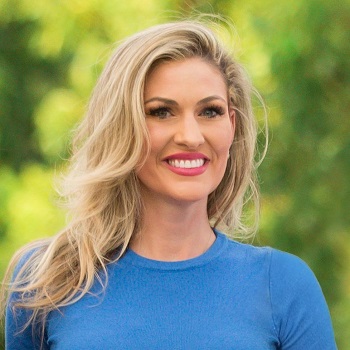
Trisha Sugarek MacDonald
Akay Bioactives, an Oterra company

Benny Antony
Arjuna Natural
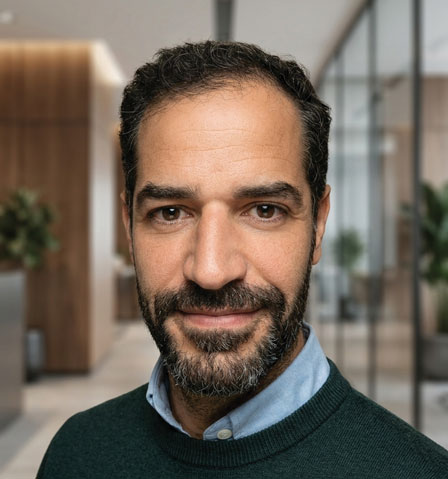
Carlos Morales Ruiz
Aurora Intelligent Nutrition

Juliane Hellhammer
DAACRO

Franziska Schmitt
DAACRO


Annie Liu
DolCas Biotech
KG Rao
DolCas Biotech
Zachin Rao
DolCas Biotech

Miri Eliyahu
Euromonitor International

Magda Starula
Euromonitor International
Aarthi Janakiraman
Everest Group

Dieter Bracke
Fermedics BV

Mike Hughes
FMCG Gurus

Katia Merten-Lentz
Food Law Science and Partners

Oliver Wolf
Gelita

Silvia Pisoni
Gnosis by Lesaffre

David Foreman
Herbal Pharmacist Media
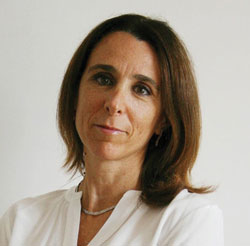
Lucilla Caricchio
Hylobates Consulting

Johanna Maukonen
IFF Health

Arthur C. Ouwehand
IFF Health

Serena Tongiani
Indena

Volker Spitzer
IQVIA Consumer Health

Stephanie Krammer-Lukas
IQVIA Consumer Health

Tyler Holstein
Kemin Human Nutrition and Health

Alison M. Winger
Key2Biotics

Karen E. Todd
Kyowa Hakko

Celia Martin
Lallemand Bio-Ingredients

Elodie Aragon
Lallemand Health Solutions

Chris Kilham
Medicine Hunter

Greg Cumberford
Natures Crops International

Pauline Cox
Sow & Arrow

Sybille Buchwald-Werner
Newday

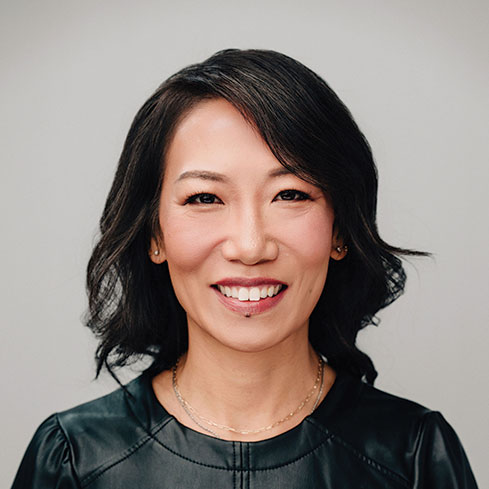

Laetitia d’Ursel
People Science
Belinda Tan
People Science
Colleen Quinn
Colleen Quinn Consultancy
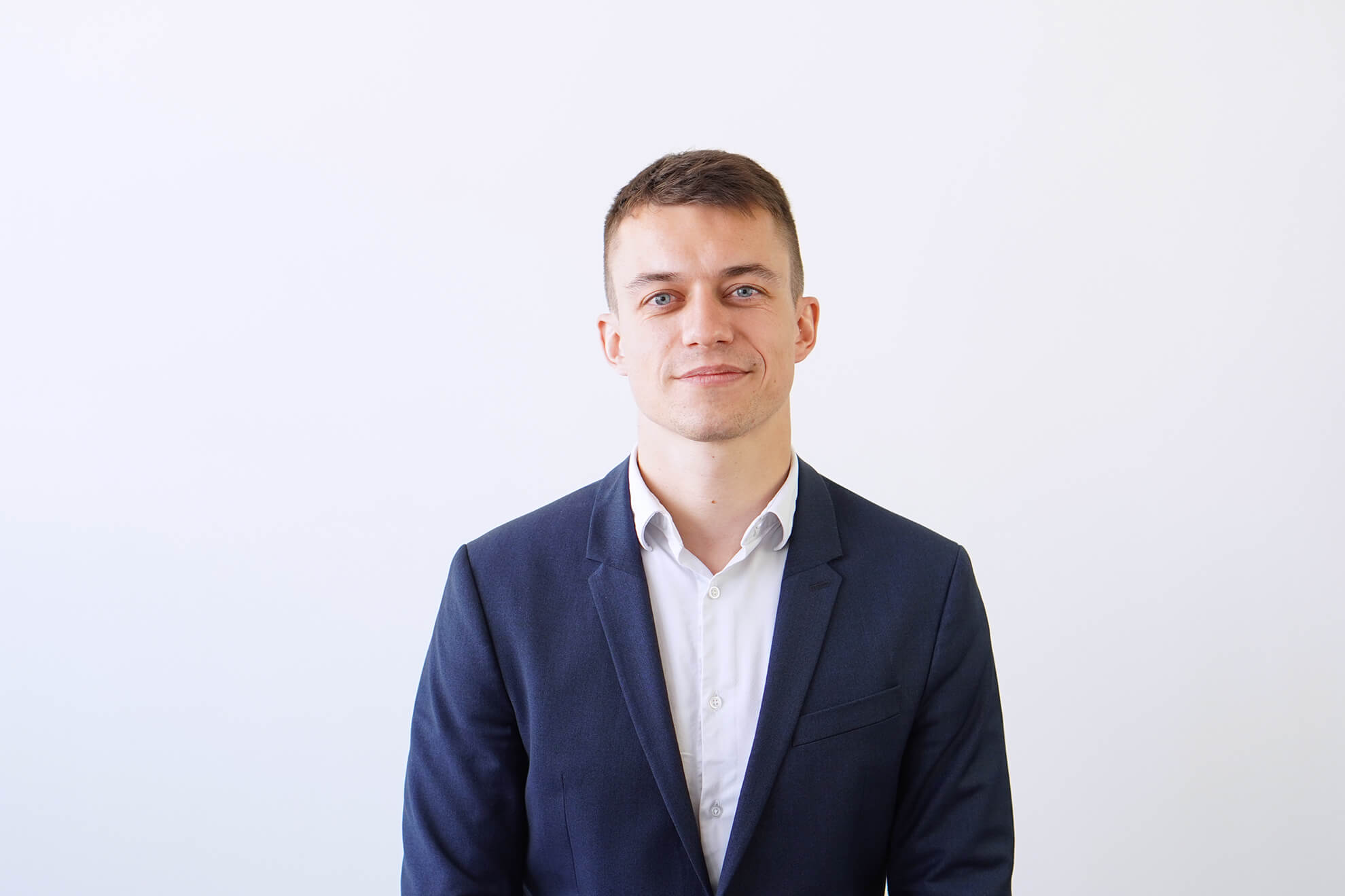

Matevž Ambrožič
PharmaLinea
Maja Orešnik
PharmaLinea
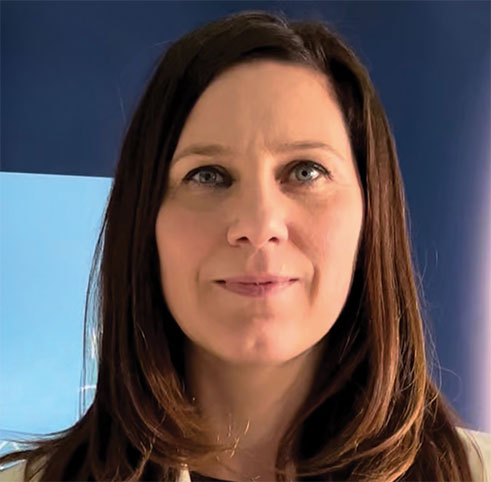
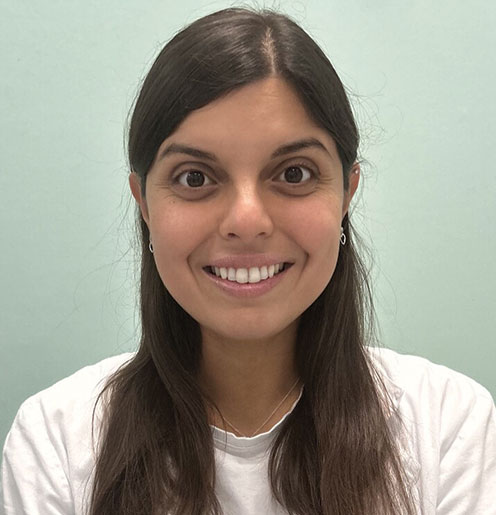
Lucia Barra
Probiotical
Annalisa Visciglia
Probiotical

Walter Fiore
ROELMI HPC

Florencia Moreno Torres
Rousselot
Shaheen Majeed
Sabinsa

Ilaria Campestri
B2B Health & Beauty,
ESG Industrial Processes Expert

Kelly Dobos
Consultant, Cosmetic Chemist

He Li
School of Food & Health
Beijing Technology & Business University

Claire Liu
Seppic

Suyin Perret-Gentil Robespierre
Suannutra

Jennifer Toomey
TopGum Industries

Inbal Nahmias
TopGum Industries

Anu Turpeinen
Valio