Panel discussion on...
Beauty from within and holistic trends
Chris Kilham
Ethnobotanist, Medicine Hunter

Member of AgroFOOD Industry Hi Tech's Scientific Advisory Board

Questions
1.
2.
3.
4.
5.
6.
7.
8.
9.
10.
11.
The New Era of Beauty Claims
Where do you see the next cycle of beauty claims heading? What specific benefits are consumers searching for today, and where do you predict the market will move over the next five years? Any exciting innovations you want to share in this regard?
The intersection of GLP-1 with Hair & Skin
With the global rise of GLP-1 weight-loss medications, consumers are experiencing rapid metabolic shifts that often trigger hair loss and "Ozempic skin". How do you see the nutricosmetic segment evolving to support the intersection of beauty and weight management/metabolic health?
Holistic Beauty & The "Well-Beauty" Journey
Real beauty isn't just skin deep. What innovations are you developing to bridge beauty and wellness (e.g., neuro-beauty, mood/stress support, beauty sleep, or the gut-skin axis)? Which ingredients or concepts are currently shifting from other health categories into the nutricosmetic space?
Redefining Beauty Rituals
Topical beauty influencers have set a high bar for self-care beauty rituals—how is the nutricosmetic segment catching up? From delivery formats and flavor profiles to fragrance and texture, what is needed to evolve ingestible solutions into a truly joyful daily ritual? And where do you experience the most challenge in this respect?
The K-Beauty Influence
South Korean trends continue to redefine topical skincare. How are these K-Beauty principles being translated into the nutricosmetic industry?
Integrated "In & Out" Journeys
We are moving away from isolated products toward "integrated journeys." What evidence supports the superior efficacy of oral-topical pairings? Furthermore, how can nutricosmetics be better integrated into the dermatology space, accompanying at-home or in-clinic procedures? Is there a difference between different regions in the world?
Nutricosmetics as a Platform for Inclusivity
Skin is the most visible representation of our diversity. How do you research, develop, and market ingredients in a way that thoughtfully addresses differences in gender, ethnicity, and life stages? Any trends you are seeing or innovations you are excited about?
AI & The Feasibility of Hyper-Personalization
In the era of AI, how close are we to truly personalizing "beauty from within"? What are the greatest challenges and opportunities you see in developing ingredients and creating supplements truly tailored to an individual’s unique needs and biological data? Any other uses of AI in this space that you are excited about?
Sustainability & Clean Beauty 3.0
How is your organization addressing the demand for upcycling and "Clean Beauty 3.0"? Are there specific innovations in ingredients, technologies, or research methodologies that you believe the industry must adopt to meet the next generation of eco-conscious consumers?
The Next Phase of "Skinification"
We have seen the "skinification of hair," but where is the future of haircare headed? What "root cause" claims are consumers most seeking, and what is the next category you anticipate will undergo a similar "skinification" transformation?
Precision Solutions for Menopause
With the surge in perimenopause and menopause-specific products, how can we more accurately tailor solutions to women in these stages? What has the industry missed, and how can we better serve this demographic?
References and notes

The Future for Cosmetic Leaders, Looking Into A Crystal Ball
1) In every industry or endeavor one of the key dimensions of success involves accurately forecasting future trends and initiatives. As we look into the crystal ball of the future for botanicals in the cosmetic industry, I predict that a key dimension of innovation will come through a more integrated approach to plants and the people and places from which they derive. This is the combination of superior botanical sourcing and the development of sustainable chains of trade with ingredients that deliver both efficacy and substantive stories backed by beneficial activities that inspire and inform consumers and the industry at large.
Botanicals are not only the most widely utilized ingredients in cosmetic products, but they also always represent an inviolable triune of plants, people and places. Many savvy, forward-thinking cosmetic companies are already leaning on this triune, with botanicals in products and stories and projects that bring people and places to the fore to an eager market that wants more than products on a shelf. People respond enthusiastically to products that not only serve their personal needs but also deliver benefits to people and the environment. Inspire and inform people in addition to providing products that work, and you create a deeper appreciation for what you are delivering in the marketplace. That elevates the entire chain of trade, and adds a dimension of beauty that is indeed more than skin deep.
Companies with vision and the means to fully advance this integrated way of operating can expect richer rewards and a deeper bond with customers. This requires deploying key personnel on an ongoing basis who are experienced in the field with botanicals and the people who work with them in their respective communities. Stewarding green environmental cultivation and collecting practices including green extraction technologies, promoting livable wages and working for the greater betterment of communities is all part of a truly integrated and more inspired sustainable chain of trade. It is also essential for developing impactful and legitimate stories that reach people’s hearts.
Benefit-sharing projects that may enhance community education, medicine, infrastructure and opportunity for people who work with botanicals make beauty products even more beautiful in the eyes of the beholder. Cosmetic products that enrich skin, hair, nails and overall healthy appearance while enhancing well-being of people and communities and communicating that dynamically can create strong customer loyalty for all the right reasons while helping to make the world a little bit better. As we go along, leading companies will do more of this, bridging worlds and helping to foster greater understanding of what goes into products. This integration is a winning formula. Inspiring stories uplift people’s spirits.
3) Fragmented and reductionist ways of thinking about health and beauty are fading into the mists of time, replaced by a greater understanding of how everything works together. A holistic approach to beauty, and the fulfillment of the ever-elusive beauty from within concept, can be actualized through behaviors and products.
Behaviors that enhance beauty from within include but are not limited to a clean diet with few or none ultra-processed foods, abstinence from tobacco products, conservative drinking of alcohol, excellent hygiene, drinking pure water and engaging in regular exercise to maintain overall fitness and weight control.
Botanicals that can help to further real beauty from within are many, and there is great opportunity for cosmetic companies to offer some of these in supplement form. Coffee extracts rich in chlorogenic acids and green tea extracts rich in polyphenol catechins prevent cellular aging. Supplementary high SPM (specialized pro-resolving mediators) herring roe oil can significantly reduce overall systemic inflammation. OPC’s (oligomeric proanthocyanidins) from pine bark and grape seed skin deliver well documented benefits to skin tissue and are also upcycled from pine lumber waste and wine grape waste respectively. Horsetail (Equisetum arvense) improves the strength and appearance of skin, hair and nails. Milk Thistle extract demonstrates potent detoxifying benefits, reducing toxins in the liver, thereby helping to promote healthier appearance overall. Perhaps most significantly, the adaptogen class of botanicals, which include ginseng, eleuthero, rhodiola, schisandra, maca, ashwagandha and some types of medicinal mushrooms, can significantly reduce cortisol, thereby reducing hundreds of stress-related aging factors in the body. Recent advances in our understanding of peptides show that plant-based peptides from pulses or legumes, which include lentils, chickpeas, dried peas and beans, can improve the elasticity, strength and firmness of skin. These agents, and many more, make excellent companion product concepts to accompany topical cosmetics. Thus beauty from within is a concept that can be fulfilled.
9) Sustainability in sourcing botanicals is not an optional idea. It is the absolute bedrock of the future, much of which is upon us now. It surely is the essence of “clean beauty.” Global climate change is radically altering the growth and health of many crops. As many as 35,000 to 50,000 plants globally are endangered, and many of these are cosmetic ingredients. Pollution of soil, water and air in many parts of the world puts pressure on finding clean supply. Companies who wish to enjoy a future need to be proactive in ensuring access to ingredients, rather than waiting for suppliers and extraction companies to show up with solutions. Or not. Cosmetic companies will still need to rely on suppliers to deliver botanicals, but working actively with these entities on solutions to the crop problems of today and tomorrow will help savvy companies to hedge against the devastating losses that non-participant companies will incur. If you want to stick around in the future this way of operating is inevitable. Will your company actively engage in sustaining your critically-needed supply?
No matter how much cosmetic companies can learn from top-tier suppliers, there is no substitute for active participation in supply. Do pitiable poverty wags endanger the supply of agricultural workers? This is often the case. Does a beautiful plantation of schisandra berries operate near a large land plot of injection wells for paint waste? Find out. Does an ashwagandha supplier grow next to cotton fields whose agritoxins drift into the ashwagandha? Do poor, unclean or insufficient warehouse and trucking hygiene impart hazardous microbes into desirable crops during handling? You cannot know if you do not go. Cosmetic companies may not have thought that they would need to engage in this manner when they started out, but the smart ones understand that now they must. A thousand factors can either enhance or compromise botanical safety and purity. Adulteration of botanicals is significantly on the rise and deliberate or inadvertent substitution and addition of incorrect plant parts is common. You cannot know if you do not go. Eco-conscious customers will want to drill deeper into ingredient information than ever before. Are you ready to meet that demand?
Overall the future of the cosmetic industry as it relates to botanical ingredients can be a very bright, whole, and truly beautiful thing. But changing times require changing understanding and changing efforts. In a sustainable system, all parts thrive. The cosmetic success companies of the future will embrace and respond to these changes with significant programs and practices that protect their interests and sources.
References and notes
- Kassem, O., Tremblay, A., Ghaly, M. S. W., Oula, M.-L., Bronner, S., & Binda, S. (2025). A subjective evaluation of the effects of a probiotic formulation on skin quality in young adult females: Open-label proof-of-concept study. International Journal of Probiotics and Prebiotics, 20(1), 1–9. https://doi.org/10.37290/ijpp2641-7197.20:1-9
- Tsuji et al. 2021 Effects of dietary supplementation with Lactococcus lactis strain Plasma on the skin microbiome and skin condition in healthy subjects: a randomized, double‑blind, placebo‑controlled trial. Microorganisms. 2021;9:563 https://doi.org/10.3390/microorganisms9030563
- Fujii et al. 2021. Effects of heat‑killed Lactococcus lactis strain Plasma on skin homeostasis‑related genes and the skin microbiome in healthy adults: a randomized, double‑blind controlled study. Microorganisms. 2021;9:2029. https://doi.org/10.3390/microorganisms9102029
Panelists

Vincenzo Zaccaria
Bionap (Active Group)
Trisha Sugarek MacDonald
Akay Bioactives, an Oterra company

Benny Antony
Arjuna Natural
Carlos Morales Ruiz
Aurora Intelligent Nutrition

Juliane Hellhammer
DAACRO

Franziska Schmitt
DAACRO



Annie Liu
DolCas Biotech
KG Rao
DolCas Biotech
Zachin Rao
DolCas Biotech

Miri Eliyahu
Euromonitor International

Magda Starula
Euromonitor International

Aarthi Janakiraman
Everest Group

Dieter Bracke
Fermedics BV

Mike Hughes
FMCG Gurus

Katia Merten-Lentz
Food Law Science and Partners

Oliver Wolf
Gelita
Silvia Pisoni
Gnosis by Lesaffre

David Foreman
Herbal Pharmacist Media
Lucilla Caricchio
Hylobates Consulting

Johanna Maukonen
IFF Health

Arthur C. Ouwehand
IFF Health

Serena Tongiani
Indena

Volker Spitzer
IQVIA Consumer Health

Stephanie Krammer-Lukas
IQVIA Consumer Health

Tyler Holstein
Kemin Human Nutrition and Health

Alison M. Winger
Key2Biotics

Karen E. Todd
Kyowa Hakko

Celia Martin
Lallemand Bio-Ingredients

Elodie Aragon
Lallemand Health Solutions

Chris Kilham
Medicine Hunter

Greg Cumberford
Natures Crops International

Pauline Cox
Sow & Arrow

Sybille Buchwald-Werner
Newday

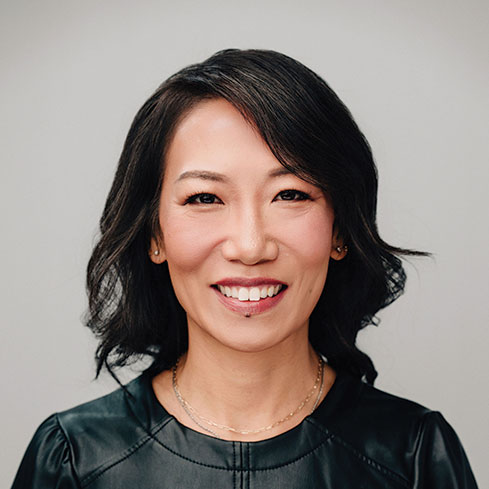

Laetitia d’Ursel
People Science
Belinda Tan
People Science
Colleen Quinn
Colleen Quinn Consultancy


Matevž Ambrožič
PharmaLinea
Maja Orešnik
PharmaLinea


Lucia Barra
Probiotical
Annalisa Visciglia
Probiotical

Walter Fiore
ROELMI HPC

Florencia Moreno Torres
Rousselot

Shaheen Majeed
Sabinsa

Ilaria Campestri
B2B Health & Beauty,
ESG Industrial Processes Expert

Kelly Dobos
Consultant, Cosmetic Chemist

He Li
School of Food & Health
Beijing Technology & Business University

Claire Liu
Seppic

Suyin Perret-Gentil Robespierre
Suannutra

Jennifer Toomey
TopGum Industries

Inbal Nahmias
TopGum Industries

Anu Turpeinen
Valio