Panel discussion on...
Beauty from within and holistic trends
Karen E. Todd
RD & Vice President Global Brand Marketing, Kyowa Hakko

Member of AgroFOOD Industry Hi Tech's Scientific Advisory Board

Questions
1.
2.
3.
4.
5.
6.
7.
8.
9.
10.
11.
The New Era of Beauty Claims
Where do you see the next cycle of beauty claims heading? What specific benefits are consumers searching for today, and where do you predict the market will move over the next five years? Any exciting innovations you want to share in this regard?
The intersection of GLP-1 with Hair & Skin
With the global rise of GLP-1 weight-loss medications, consumers are experiencing rapid metabolic shifts that often trigger hair loss and "Ozempic skin". How do you see the nutricosmetic segment evolving to support the intersection of beauty and weight management/metabolic health?
Holistic Beauty & The "Well-Beauty" Journey
Real beauty isn't just skin deep. What innovations are you developing to bridge beauty and wellness (e.g., neuro-beauty, mood/stress support, beauty sleep, or the gut-skin axis)? Which ingredients or concepts are currently shifting from other health categories into the nutricosmetic space?
Redefining Beauty Rituals
Topical beauty influencers have set a high bar for self-care beauty rituals—how is the nutricosmetic segment catching up? From delivery formats and flavor profiles to fragrance and texture, what is needed to evolve ingestible solutions into a truly joyful daily ritual? And where do you experience the most challenge in this respect?
The K-Beauty Influence
South Korean trends continue to redefine topical skincare. How are these K-Beauty principles being translated into the nutricosmetic industry?
Integrated "In & Out" Journeys
We are moving away from isolated products toward "integrated journeys." What evidence supports the superior efficacy of oral-topical pairings? Furthermore, how can nutricosmetics be better integrated into the dermatology space, accompanying at-home or in-clinic procedures? Is there a difference between different regions in the world?
Nutricosmetics as a Platform for Inclusivity
Skin is the most visible representation of our diversity. How do you research, develop, and market ingredients in a way that thoughtfully addresses differences in gender, ethnicity, and life stages? Any trends you are seeing or innovations you are excited about?
AI & The Feasibility of Hyper-Personalization
In the era of AI, how close are we to truly personalizing "beauty from within"? What are the greatest challenges and opportunities you see in developing ingredients and creating supplements truly tailored to an individual’s unique needs and biological data? Any other uses of AI in this space that you are excited about?
Sustainability & Clean Beauty 3.0
How is your organization addressing the demand for upcycling and "Clean Beauty 3.0"? Are there specific innovations in ingredients, technologies, or research methodologies that you believe the industry must adopt to meet the next generation of eco-conscious consumers?
The Next Phase of "Skinification"
We have seen the "skinification of hair," but where is the future of haircare headed? What "root cause" claims are consumers most seeking, and what is the next category you anticipate will undergo a similar "skinification" transformation?
Precision Solutions for Menopause
With the surge in perimenopause and menopause-specific products, how can we more accurately tailor solutions to women in these stages? What has the industry missed, and how can we better serve this demographic?
References and notes

Beauty From Within: The Emerging Landscape of Nutricosmetics
1) Beauty claims are moving away from “fighting” or “fixing” signs of aging and toward supporting healthy-looking beauty at every age. Consumers still want visible hydration, glow, elasticity, strong hair, and strong nails, but they are becoming more informed about how nutrition can support these benefits from within.
The next cycle will focus more on resilience: helping skin better respond to everyday stressors. That includes supporting collagen production, managing oxidative stress, supporting skin barrier function, and addressing nutrient gaps that may affect hair, skin, and nails. Relevant ingredients include collagen peptides, ceramides, glutathione, hyaluronic acid, carotenoids, polyphenols, omega-3 fatty acids, and key vitamins and minerals.
2) As GLP-1 medications and other weight-loss approaches become more common, nutricosmetics must be thoughtful in how they support consumers experiencing rapid weight loss. Hair shedding, changes in skin appearance, muscle loss, and nutrient gaps can occur when weight loss is not supported by adequate nutrition.
The foundation should always be a strong nutrition plan with enough protein, essential fats, vitamins, minerals, and hydration. Beauty-from-within products can help support this foundation when used alongside a healthy diet and lifestyle. Ingredients such as collagen peptides, free amino acids, zinc, selenium, vitamin D, omega-3 fatty acids, and biotin, when appropriate, may help support skin firmness, hair strength, collagen production, and overall nutrient sufficiency.
3) Beauty is closely connected to overall wellness. Skin and hair can reflect sleep, stress, digestion, hydration, hormones, inflammation, and nutrient intake, which is why beauty from within must be grounded in real nutrition science.
I am especially interested in the gut-skin axis, stress support, and sleep quality. Ingredients traditionally associated with digestive health, mood, or relaxation are becoming part of the beauty conversation, including probiotics, prebiotics, postbiotics, polyphenols, magnesium, L-theanine, L-glutathione, adaptogens, and antioxidant-rich botanicals.
The key is making claims clear and believable. “Well-beauty” cannot be a vague wellness promise. Brands need to explain how supporting a specific process or biological pathway can help promote a healthy appearance, such as glowing skin, strong hair, or strong nails.
4) Ingestible beauty products need to be effective, easy, and enjoyable enough to become part of a daily routine. Powders, stick packs, gummies, chews, capsules, and ready-to-drink formats can all work if they contain the right ingredients at effective levels and are formulated for stability.
The consumer experience matters: taste, texture, convenience, timing, serving size, and sugar content all influence whether someone keeps using a product. Clean-label expectations are also important. A product should taste good and feel pleasant, but it must also deliver meaningful ingredients at effective doses. Great marketing cannot make up for an ineffective formula.
7) Inclusivity starts with understanding the consumer. Skin, hair, and nail concerns can vary by gender, ethnicity, life stage, lifestyle, and personal goals, so nutrition recommendations should not be one-size-fits-all.
A young adult dealing with stress-related breakouts, a postpartum woman experiencing hair shedding, and a menopausal woman noticing drier skin may all be seeking beauty support, but the right format, serving size, ingredient combination, and message may differ. As beauty standards evolve, consumers are moving away from narrow ideals and toward healthy-looking confidence, vitality, and authenticity.
10) Haircare is becoming more holistic. Consumers are no longer only looking for shine or smoothness; they want to understand the root causes of thinning, shedding, breakage, or loss of vitality. Stress, hormones, nutrition, scalp health, and overall wellness are all part of the conversation.
As with skin health, consumers are looking for solutions that address underlying causes and support healthy hair from within. Nails are another category ready for “skinification.” Nail growth and strength are visible, personal, and tied to appearance, creating an opportunity for more precise beauty-from-within solutions.
11) Perimenopause and menopause represent a major opportunity, and the category needs more nuance. These life stages can affect skin hydration, elasticity, collagen levels, hair density, metabolism, body composition, sleep, mood, and overall comfort. Women experience these changes differently, so products should not assume one universal menopause journey.
Some women may be focused on skin dryness, while others are concerned about hair shedding, sleep, brain fog, hydration, muscle preservation, or weight changes. Multi-benefit products may be especially relevant when they address these interconnected concerns respectfully.
Useful ingredients may include collagen peptides, ceramides, hyaluronic acid, glutathione, omega-3 fatty acids, citicoline, magnesium, vitamin D, protein, and antioxidant compounds. Communication should be empowering, not framed as fighting aging. The goal is to support comfort, strength, confidence, and visible vitality during an important life stage.
References and notes
- Olivia M. Burke, Brianna Sa, David Alvarez Cespedes, Antonella Tosti; Dermatologic Implications of Glucagon-Like Peptide-1 Receptor Agonist Medications. Skin Appendage Disord 6 October 2025; 11 (5): 416–423
- Palombo P, Fabrizi G, Ruocco V, Ruocco E, Fluhr J, Roberts R, et al. Beneficial long-term effects of combined oral/topical antioxidant treatment with the carotenoids lutein and zeaxanthin on human skin: a double-blind, placebo-controlled study. Skin Pharmacol Physiol. 2007;20(4):199-210
- [1] Morganti P, Bruno C, Guarneri F, Cardillo A, Del Ciotto P, Valenzano F. Role of topical and nutritional supplement to modify the oxidative stress. Int J Cosmet Sci. 2002 Dec;24(6):331-9.
- [1] Maci S., and Herrlinger K., Beneficial role of lutein on Intrinsic and extrinsic aging. in Biofunctional Textiles for an Ageing skin – Vol 1(7) - LAP LAMBERT Academic Publishing 2022
- Fisher GJ, Kang S, Varani J, Bata-Csorgo Z, Wan Y, Datta S, et al. Mechanisms of photoaging and chronological skin aging. Archives of Dermatology. 2002;138:1462-70.
- Sayo T, Sugiyama Y, Inoue S. Lutein, a nonprovitamin A, activates the retinoic acid receptor to induce HAS3-dependent hyaluronan synthesis in keratinocytes. Biosci Biotechnol Biochem. 2013;77(6):1282-6.
- Bernstein EF, Uitto J. The effect of photodamage on dermal extracellular matrix. Clin Dermatol. 1996;14(2):143-51.
- O'Connor I, O'Brien N. Modulation of UVA light-induced oxidative stress by beta-carotene, lutein and astaxanthin in cultured fibroblasts. J Dermatol Sci. 1998 Mar;16(3):226-30.
- Oh J, Kim JH, Park JG, Yi Y-S, Park KW, Rho HS, et al. Radical Scavenging Activity-Based and AP-1-Targeted Anti-Inflammatory Effects of Lutein in Macrophage-Like and Skin Keratinocytic Cells. Mediators of Inflammation. 2013 2013/03/07;2013:787042.
- [1] Philips N, Keller T, Hendrix C, Hamilton S, Arena R, Tuason M, et al. Regulation of the extracellular matrix remodeling by lutein in dermal fibroblasts, melanoma cells, and ultraviolet radiation exposed fibroblasts. Arch Dermatol Res. 2007 Oct;299(8):373-9.
- [1] Dong K, Goyarts EC, Pelle E, Trivero J, Pernodet N. Blue light disrupts the circadian rhythm and create damage in skin cells. Int J Cosmet Sci. 2019 Dec;41(6):558-62.
- Sujak A, Gabrielska J, Grudziński W, Borc R, Mazurek P, Gruszecki WI. Lutein and Zeaxanthin as Protectors of Lipid Membranes against Oxidative Damage: The Structural Aspects. Archives of Biochemistry and Biophysics. 1999 1999/11/15/;371(2):301-7.
- Juturu V, Bowman JP, Deshpande J. Overall skin tone and skin-lightening-improving effects with oral supplementation of lutein and zeaxanthin isomers: a double-blind, placebo-controlled clinical trial. Clin Cosmet Investig Dermatol. 2016;9:325-32.
Panelists

Vincenzo Zaccaria
Bionap (Active Group)
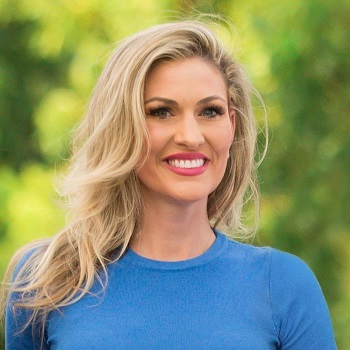
Trisha Sugarek MacDonald
Akay Bioactives, an Oterra company

Benny Antony
Arjuna Natural

Carlos Morales Ruiz
Aurora Intelligent Nutrition

Juliane Hellhammer
DAACRO

Franziska Schmitt
DAACRO


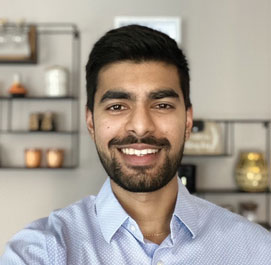
Annie Liu
DolCas Biotech
KG Rao
DolCas Biotech
Zachin Rao
DolCas Biotech

Miri Eliyahu
Euromonitor International

Magda Starula
Euromonitor International

Aarthi Janakiraman
Everest Group

Dieter Bracke
Fermedics BV

Mike Hughes
FMCG Gurus

Katia Merten-Lentz
Food Law Science and Partners

Oliver Wolf
Gelita

Silvia Pisoni
Gnosis by Lesaffre

David Foreman
Herbal Pharmacist Media

Lucilla Caricchio
Hylobates Consulting

Johanna Maukonen
IFF Health

Arthur C. Ouwehand
IFF Health

Serena Tongiani
Indena

Volker Spitzer
IQVIA Consumer Health

Stephanie Krammer-Lukas
IQVIA Consumer Health

Tyler Holstein
Kemin Human Nutrition and Health

Alison M. Winger
Key2Biotics

Karen E. Todd
Kyowa Hakko

Celia Martin
Lallemand Bio-Ingredients

Elodie Aragon
Lallemand Health Solutions

Chris Kilham
Medicine Hunter

Greg Cumberford
Natures Crops International

Pauline Cox
Sow & Arrow

Sybille Buchwald-Werner
Newday

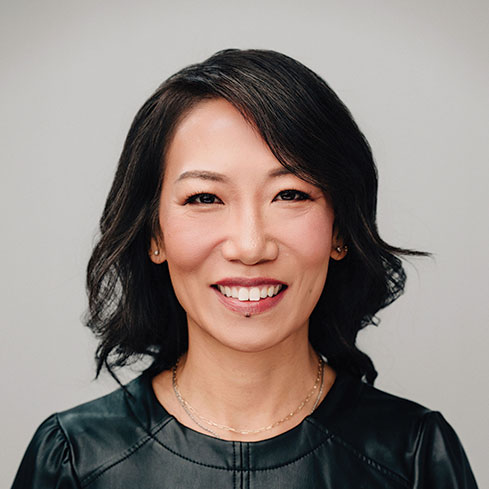

Laetitia d’Ursel
People Science
Belinda Tan
People Science
Colleen Quinn
Colleen Quinn Consultancy


Matevž Ambrožič
PharmaLinea
Maja Orešnik
PharmaLinea


Lucia Barra
Probiotical
Annalisa Visciglia
Probiotical

Walter Fiore
ROELMI HPC

Florencia Moreno Torres
Rousselot

Shaheen Majeed
Sabinsa

Ilaria Campestri
B2B Health & Beauty,
ESG Industrial Processes Expert

Kelly Dobos
Consultant, Cosmetic Chemist

He Li
School of Food & Health
Beijing Technology & Business University

Claire Liu
Seppic

Suyin Perret-Gentil Robespierre
Suannutra

Jennifer Toomey
TopGum Industries

Inbal Nahmias
TopGum Industries

Anu Turpeinen
Valio