Panel discussion on...
Beauty from within and holistic trends
Annie Liu1 , KG Rao2 , Zachin Rao3
1. Medical and Scientific Affairs, DolCas Biotech
2. CEO, DolCas Biotech
3. Sales Manager, DolCas Biotech

About the Author
Prof. Dr. Simone Peschke
Emerita Professor, Consulting and coaching food technology Main focus: Innovation and flavor technology
Professor of Food Technology, Berlin University of Applied Sciences (10 years)
Main focus: Innovation and Product Development, Flavor Technology (in cooperation with DVAI), Functional and Novel Foods, Techno-functional Ingredients
Technical Director, Business Unit Sweet & Head of Competence Center Health & Nutrition, Symrise AG (7 years)
Senior Director Research, Development & Application Ingredients Europe, Wild Flavors Berlin (17 years)

Member of AgroFOOD Industry Hi Tech's Scientific Advisory Board



Questions
1.
2.
3.
4.
5.
6.
7.
8.
9.
10.
11.
The New Era of Beauty Claims
Where do you see the next cycle of beauty claims heading? What specific benefits are consumers searching for today, and where do you predict the market will move over the next five years? Any exciting innovations you want to share in this regard?
The intersection of GLP-1 with Hair & Skin
With the global rise of GLP-1 weight-loss medications, consumers are experiencing rapid metabolic shifts that often trigger hair loss and "Ozempic skin". How do you see the nutricosmetic segment evolving to support the intersection of beauty and weight management/metabolic health?
Holistic Beauty & The "Well-Beauty" Journey
Real beauty isn't just skin deep. What innovations are you developing to bridge beauty and wellness (e.g., neuro-beauty, mood/stress support, beauty sleep, or the gut-skin axis)? Which ingredients or concepts are currently shifting from other health categories into the nutricosmetic space?
Redefining Beauty Rituals
Topical beauty influencers have set a high bar for self-care beauty rituals—how is the nutricosmetic segment catching up? From delivery formats and flavor profiles to fragrance and texture, what is needed to evolve ingestible solutions into a truly joyful daily ritual? And where do you experience the most challenge in this respect?
The K-Beauty Influence
South Korean trends continue to redefine topical skincare. How are these K-Beauty principles being translated into the nutricosmetic industry?
Integrated "In & Out" Journeys
We are moving away from isolated products toward "integrated journeys." What evidence supports the superior efficacy of oral-topical pairings? Furthermore, how can nutricosmetics be better integrated into the dermatology space, accompanying at-home or in-clinic procedures? Is there a difference between different regions in the world?
Nutricosmetics as a Platform for Inclusivity
Skin is the most visible representation of our diversity. How do you research, develop, and market ingredients in a way that thoughtfully addresses differences in gender, ethnicity, and life stages? Any trends you are seeing or innovations you are excited about?
AI & The Feasibility of Hyper-Personalization
In the era of AI, how close are we to truly personalizing "beauty from within"? What are the greatest challenges and opportunities you see in developing ingredients and creating supplements truly tailored to an individual’s unique needs and biological data? Any other uses of AI in this space that you are excited about?
Sustainability & Clean Beauty 3.0
How is your organization addressing the demand for upcycling and "Clean Beauty 3.0"? Are there specific innovations in ingredients, technologies, or research methodologies that you believe the industry must adopt to meet the next generation of eco-conscious consumers?
The Next Phase of "Skinification"
We have seen the "skinification of hair," but where is the future of haircare headed? What "root cause" claims are consumers most seeking, and what is the next category you anticipate will undergo a similar "skinification" transformation?
Precision Solutions for Menopause
With the surge in perimenopause and menopause-specific products, how can we more accurately tailor solutions to women in these stages? What has the industry missed, and how can we better serve this demographic?
References and notes

3) The concept of “beauty from within” has evolved significantly over the past decade. While early nutricosmetic products focused primarily on hydration, collagen support, and healthy aging, scientific understanding now points to a deeper connection between beauty and overall wellness. Increasingly, skin health is being viewed as a visible reflection of internal health, and the emerging concept of skin longevity aligns closely with broader discussions around health span and healthy aging.
A key driver behind many visible skin concerns is chronic inflammation. Research continues to demonstrate that inflammatory processes contribute to oxidative stress, collagen degradation, impaired skin barrier function, cellular senescence, and accelerated aging. These processes are often influenced by lifestyle factors such as poor diet, insufficient sleep, environmental exposures, stress, and metabolic imbalances.
As a result, ingredients and concepts traditionally associated with gut health, metabolic health, immune function, stress management, and longevity are increasingly finding their place within the nutricosmetic category. One notable example is curcumin, a well-established anti-inflammatory and antioxidant compound. Emerging research suggests that curcumin may help support skin health by addressing inflammatory pathways associated with conditions such as psoriasis and atopic dermatitis, supporting wound healing, helping protect against UV-induced photoaging, and contributing to a more even skin appearance through modulation of tyrosinase activity.
The next generation of nutricosmetics will move beyond simply improving visible appearance and instead focus on supporting the biological mechanisms that influence skin health and aging. This shift reflects a broader understanding that healthy, resilient skin begins with a healthy internal environment.
4)While collagen remains one of the most important ingredients in the beauty-from-within category, it has historically presented significant formulation challenges. Clinically effective collagen dosages have traditionally ranged from 2.5 to 10 grams per day, limiting product formats primarily to powders and ready-to-drink beverages. Such high inclusion levels can negatively impact taste, texture, and consumer convenience while increasing formulation complexity and cost.
Recent advances in collagen science have introduced collagen tripeptides (Gly-X-Y), which have demonstrated clinical efficacy at dosages as low as 1 gram per day. Lower effective dosages create substantially greater flexibility for product developers, enabling incorporation into capsules, gummies, chocolates, functional beverages, and other innovative delivery systems.
In addition to improved formulation versatility, collagen tripeptides utilize a unique absorption mechanism that differs from conventional dietary proteins, potentially enhancing bioavailability while reducing competition with other protein sources. This creates opportunities for brands to expand beyond traditional supplement formats into everyday functional foods such as yogurt, coffee beverages, protein drinks, and frozen desserts.
As consumer expectations continue to evolve, success in nutricosmetics will depend not only on efficacy but also on creating enjoyable daily wellness rituals. The industry’s challenge is to balance strong clinical outcomes with taste, convenience, texture, and overall user experience. Low-dose, clinically effective ingredients will play an increasingly important role in achieving this balance.
7) Skin is one of the most visible expressions of human diversity. Genetics, age, gender, lifestyle, environmental exposure, and nutritional status all influence skin health and aging. Consequently, the industry is moving away from a one-size-fits-all approach and toward more personalized and inclusive solutions.
This shift begins with clinical research. Study populations should increasingly reflect diverse ethnicities, genders, and life stages to ensure that efficacy data accurately represent the broad range of consumers using these products.
Consumer needs also vary considerably across different stages of life. Among teenagers and young adults, acne remains a primary concern, with inflammation and microbiome balance playing important roles. Ingredients with anti-inflammatory and microbiome-supportive properties, including curcumin and omega fatty acids, are receiving growing attention in this area.
For consumers in their 20s and 30s, prevention is becoming a key focus. UV exposure, oxidative stress, collagen degradation, and hyperpigmentation begin accumulating long before visible signs of aging appear. Polyphenol-rich ingredients, including curcumin and plant-derived antioxidants, are increasingly positioned to support skin resilience and protection. At the same time, collagen and ceramides continue to gain popularity for maintaining hydration and supporting the skin barrier.
As individuals enter their 40s, 50s, and beyond, declining collagen production and increased transepidermal water loss contribute to reduced elasticity, dryness, and visible aging. Ingredients such as collagen tripeptides, ginseng, and Centella asiatica are increasingly being incorporated into healthy aging and skin longevity strategies.
More broadly, personalization means recognizing that beauty goals are highly individual. Whether addressing acne-prone skin, active lifestyles, postpartum recovery, menopause-related changes, or healthy aging, consumers increasingly expect solutions tailored to their unique needs and life circumstances.
9) Collagen remains one of the most widely used and scientifically supported ingredients in nutricosmetics. Although demand for vegan alternatives continues to grow, true collagen is naturally animal-derived, and plant proteins do not contain hydroxyproline, a key amino acid associated with collagen structure. While certain botanical ingredients may support the body’s natural collagen production, their effects are generally less direct than collagen-derived ingredients.
However, the future of nutricosmetics extends beyond efficacy alone. The emerging concept of Clean Beauty 3.0 requires consideration of environmental sustainability, responsible sourcing, and long-term ecosystem health alongside product performance.
Marine-derived ingredients have traditionally played an important role in beauty nutrition. Yet today’s oceans face increasing challenges, including pollution, microplastics, climate change, and pressure on wild fish populations. Excessive reliance on wild-caught marine resources can contribute to environmental imbalance and biodiversity loss.
According to the Food and Agriculture Organization (FAO) (1), sustainable aquaculture will play an increasingly important role in the future global food supply. Through its Blue Transformation initiative, the FAO aims to support approximately 35% growth in sustainable aquaculture production by 2030.
For the nutricosmetic industry, this highlights the importance of adopting more responsible collagen sourcing strategies, including the use of ingredients derived from ASC-certified aquaculture operations. Such certifications help ensure responsible environmental practices, traceability, fish welfare, legal compliance, and positive community impact while maintaining ingredient quality and efficacy.
Ultimately, Clean Beauty 3.0 is about more than ingredient safety or performance. It represents a broader commitment to transparency, sustainability, ethical sourcing, and environmental stewardship. The future of beauty-from-within solutions will depend on combining scientifically validated ingredients with responsible practices that support both human health and the health of the planet.
Conclusion
References and notes
Panelists

Vincenzo Zaccaria
Bionap (Active Group)
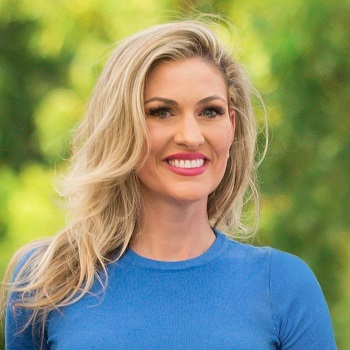
Trisha Sugarek MacDonald
Akay Bioactives, an Oterra company

Benny Antony
Arjuna Natural

Carlos Morales Ruiz
Aurora Intelligent Nutrition

Juliane Hellhammer
DAACRO

Franziska Schmitt
DAACRO

Annie Liu
DolCas Biotech
KG Rao
DolCas Biotech
Zachin Rao
DolCas Biotech

Miri Eliyahu
Euromonitor International

Magda Starula
Euromonitor International

Aarthi Janakiraman
Everest Group

Dieter Bracke
Fermedics BV

Mike Hughes
FMCG Gurus

Katia Merten-Lentz
Food Law Science and Partners

Oliver Wolf
Gelita

Silvia Pisoni
Gnosis by Lesaffre

David Foreman
Herbal Pharmacist Media

Lucilla Caricchio
Hylobates Consulting

Johanna Maukonen
IFF Health

Arthur C. Ouwehand
IFF Health

Serena Tongiani
Indena

Volker Spitzer
IQVIA Consumer Health

Stephanie Krammer-Lukas
IQVIA Consumer Health

Tyler Holstein
Kemin Human Nutrition and Health

Alison M. Winger
Key2Biotics

Karen E. Todd
Kyowa Hakko

Celia Martin
Lallemand Bio-Ingredients

Elodie Aragon
Lallemand Health Solutions

Chris Kilham
Medicine Hunter

Greg Cumberford
Natures Crops International

Pauline Cox
Sow & Arrow

Sybille Buchwald-Werner
Newday



Laetitia d’Ursel
People Science
Belinda Tan
People Science
Colleen Quinn
Colleen Quinn Consultancy


Matevž Ambrožič
PharmaLinea
Maja Orešnik
PharmaLinea


Lucia Barra
Probiotical
Annalisa Visciglia
Probiotical

Walter Fiore
ROELMI HPC

Florencia Moreno Torres
Rousselot

Shaheen Majeed
Sabinsa

Ilaria Campestri
B2B Health & Beauty,
ESG Industrial Processes Expert

Kelly Dobos
Consultant, Cosmetic Chemist

He Li
School of Food & Health
Beijing Technology & Business University

Claire Liu
Seppic

Suyin Perret-Gentil Robespierre
Suannutra

Jennifer Toomey
TopGum Industries

Inbal Nahmias
TopGum Industries

Anu Turpeinen
Valio