PET FOOD
Emerging Dynamics in Omega-3 Pet Nutrition
Justin Burt
Omega Category Manager, Natures Crops International, Canada


About the Author
Justin Burt
Justin Burt - With over ten years of experience in the Natural Products industry, Justin has helped bring new and exciting omega-3 products to the marketplace as the Omega Category Manager with Natures Crops International. Based in Halifax, Canada, Justin is passionate about sustainable solutions which support both human and planetary wellness.

KEYWORDS
Omegas
omega-3 fatty acids
fish oil
sustainability
alpha-linolenic
stearidonic
gamma-linolenic
Abstract
Rapid changes in the pet health and wellness industry are causing brands to adjust their consumer value propositions to reflect broad changes in consumer preferences reinforcing higher product quality, integrity, and supply chain sustainability as more consumers consider their pets as equal family members. Omega-3 supply sources include plant, algal, and dominantly marine-based fish oil as supplements and ‘toppers’ Evidence of the health benefits of omega-3 fatty acids in pet nutrition is strong, but supply chain, sustainability, and delivered quality concerns with salmon and other fish oils for pet wellness are rising. This article describes an emerging scientific understanding of omega-3 metabolism in animals, based on novel carbon-isotope analysis methods that can answer how quickly an omega-3 source converts to tissue-specific EPA/DHA. This new perspective demonstrates that plant-based omega-3 ALA and SDA sources can meet tissue EPA/DHA requirements effectively, avoiding potential risks and consumer concerns of conventional fish-based omega-3 oils.
The pet health and wellness industry is rapidly evolving, causing brands to strategically adjust their value propositions in order to stay relevant to consumers in a growing and competitive industry. One particularly notable cultural shift is how consumers ‘perceive’ their pets. While dogs, cats, and other pets may once have been considered just a friend of the family, today’s consumers view their pets as an equal part of the family, even taking the place of children in some cases. In North America, 43% of Americans now signal a preference for pets over children, particularly among Millennials and Gen Zs, and 82% of pet owners say that their pet is like their own child (1). In Europe, the sentiment is similar with 75% of German pet owners saying they treat their pet with as much care as they would a child, followed by 64% in Spain, 63% in Poland, 61% in France, and 58% in Italy (2). We are now in a time and place where consumers demand only the best for their pets, seeking products with the quality and product messaging that speaks to their values.
In addition to this, consumers are seeking products with meaning environmental sustainability values. In North America, 78% of USA consumers have indicated that a sustainable lifestyle is important to them (3) and in Europe, 83% of consumers say the impact of a product on the environment plays an important role in their purchasing decisions (4). As awareness amongst consumers grows about the environmental impact of their purchase decisions, brands must work to ensure they are meeting these expectations through the products they offer or fall behind their competitors who adopt meaningful sustainability practices into their businesses.
This highlights an area of possible improvement in the omega-3 nutrition category for pet owners, where challenging supply dynamics and fluctuating levels of quality can lead to poor consumer experience and missed expectations. Demonstrated supply chain disruptions in the omega-3 fish oil market like the early closure of the Peruvian anchovy fishery in 2023 due to a high prevalence of juvenile fish (5) or the 2024 collapse of wild Alaskan salmon catches (6) have driven aggressive price fluctuations and gaps in supply for companies seeking to offer essential omega-3 nutrition through pet foods and pet supplements. Recognizing that the global biomass of fish catches has plateaued at around 120 million metric tons since the 1990s (Figure 1) (7), it is likely that disruptions in the marine omega-3 market will continue into the future as concerns around ocean sustainability rise alongside the demand for essential omega-3 nutrition.
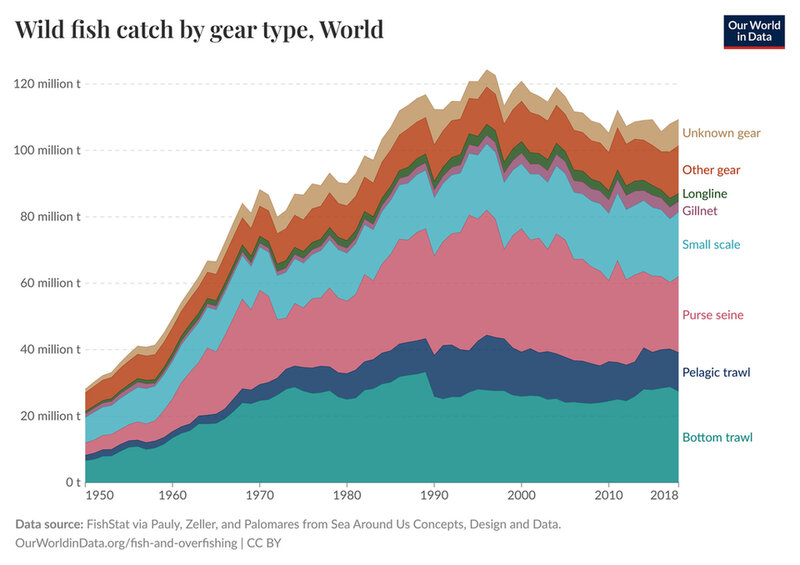
Figure 1. Global wild fishery catch tonnage, by gear type (1950-2018).
In the pet omega-3 oil “topper” supplement space, products using various types of fish oil, flax oil, algae oil and more exist as options for pet owners who are seeking an omega-3 boost in their pet’s diet. However, one area consumers may not find the quality, value, and sustainable metrics they seek is in farmed salmon oil supplements. Often positioned generically as “salmon oil”, these oil supplements are a by-product of the farmed salmon industry with salmon fillets going to grocery stores for human consumption and the remaining parts of the fish being used to produce a low omega-3 oil source. A quick search of available wild salmon oil products indicates omega-3 levels around 20%. However, the farmed salmon oil counterpart typically delivers <12% omega-3, a much lower value than what is found in wild fish. This raises the question of whether farmed salmon oil is delivering the value that today’s consumer expects for their pets, or if this is simply an outlet for a low-cost, low-quality byproduct of the farmed salmon fillet industry which negatively overshadows other nutritional omega-3 oils available to consumers.
While fish oil products will likely remain the mainstay of omega-3 pet supplement category for years to come, brands must embrace other sources in order to accommodate the growing demand for omega-3 nutrition, and to avoid the complicated supply dynamics of an already strained resource. In addition to this, brands must be sensitive to the rising consumer demand for products with meaningful sustainability values and high-quality expectations we see today. Fortunately, the supporting science of sustainable plant-based omega-3 sources is growing to highlight that these options can in fact deliver all of the essential omegas needed for pets to thrive.
It has been accepted for decades that marine (or algal) sources of omega-3 EPA and DHA have superior health benefits in humans and pets over plant-based omega-3 sources (8). This stems from the fact that dietary sources of ‘preformed’ EPA and DHA will raise circulating blood levels of DHA, whereas plant-based omega-3 sources don’t raise blood DHA levels. Elevated blood EPA+DHA levels have been an unquestioned proxy for omega-3 status in key organs like the heart, brain, and liver. But until recently, researchers had no accurate way of measuring how quickly DHA was forming in those tissues from plant-based ‘precursor’ omega-3’s like ALA-rich flaxseed or chia oil or ALA/SDA rich Buglossoides oil.
New research methods can now track subtle differences in carbon-isotope levels from different omega-3 feed sources and how they convert to ‘new’ DHA in key tissues. This is different than relying on fatty acid levels in blood fractions to gauge omega-3 status.
Researchers comparing plant and marine based omega-3’s discovered that in mice plant-based omega-3 sources maintained brain and liver DHA levels comparably to a pure fish-based DHA source (9). Further, the ALA/SDA-rich source statistically matched pure fish-based DHA in new brain and liver DHA turnover — meaning how quickly new DHA from the diet source was formed and taken into those tissues. It shows that in the absence of preformed EPA/DHA in the diet, mammals can convert plant-based ALA and ALA/SDA rich sources quickly and efficiently in key tissues, even though blood DHA levels don’t go up.
Similarly, researchers looking specifically at whole body omega-3 ALA conversion (vs only serum measures) in mice found that whole body ALA-to-DHA conversion (9.5%) is up to 48x greater than previously accepted serum measures (<1%) predict (10). This severe under-representation of the mammal body’s endogenous ALA-to-DHA further underscores the limits of relying solely on blood-based measures to conclude that plant-based omega-3 sources are utilized ‘inefficiently’ in comparison to marine omega-3 sources.
Recent research has also found that when fish oil and plant-based omega-3 sources are compared directly to one another in animal models looking at inflammatory markers (cytokines), plant-based omega-3 sources perform comparably or better than fish oil at the same intakes. For example, in an induced rheumatoid arthritis mouse trial model assessing joint inflammation and mobility, Buglossoides oil expressed greater anti-inflammatory chemokines in synovial fluid and achieved comparable reductions in overt joint inflammation as fish oil (11). And in a parenteral nutrition model in neo-natal piglets, an emulsion containing Buglossoides oil demonstrated a superior anti-inflammatory cytokine profile and reduced brain and pancreative endotoxemia vs a conventional fish-based emulsion (12).
So if plant-based omega-3 sources are demonstrating comparable or superior physiological effects in head-to-head comparisons with marine omega-3 sources at the same exposure levels, why wouldn’t more brands look to formulate plant-based omega-3 and omega-369 sources into pet supplements targeting joint, immune, and skin/coat health — all areas where signs of omega-3 deficiency first appear?
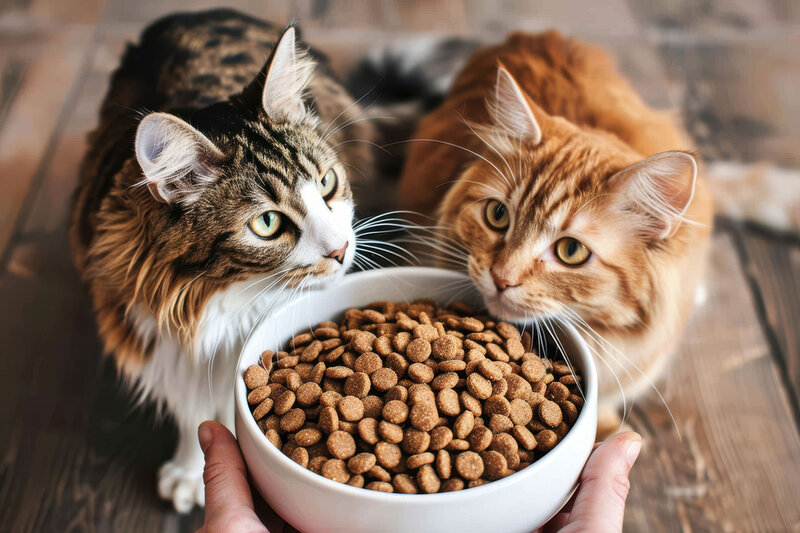
What Other Omega-3 Solutions Beyond Fish Oil Exist?
Buglossoides arvensis (Ahiflower®) Oil
As one of Nature’s richest sources of omega-3 at 65%, refined Buglossoides arvensis (tradename: Ahiflower®) oil is a market-ready option for companies seeking complete and balanced omega 3-6-9 deliveries along with stable supply and price dynamics. Uniquely omega-3 rich in alpha linolenic acid (ALA, 45%) plus stearidonic acid (SDA, 20%), Buglossoides oil offers a more bioavailable delivery of omega-3 fatty acids. Along with this, it contains good levels of omega-6 gamma-linolenic acid (GLA, 6%) which is a recognized driver of skin, coat, and hormonal wellness in mammals. As a fully plant-based source coming from a supply chain which uses regenerative agriculture practices, this option provides tangible sustainability messaging around enhancing soil health, micriobial biodiversity, and supporting pollinators like bees and butterflies. While still new to the animal nutrition space, Buglossoides oil offers a meaningful solution to the gap in supply and demand for global omega-3 nutrition (13).
Flax/Linseed
As a well-recognized rich source of omega-3 fatty acids, linseed oil delivers up to 57% ALA and comes from a plant-based source which can be produced in scalable supply chains to help meet growing demand.
Algae
Algae oil can deliver EPA and DHA, the same type of omega-3 fatty acids as found in fish oil. While the ratio of EPA to DHA is different from fish oil sources, typically with a higher dominance in DHA, it is a good source for delivering these types of omega-3s in their preformed state. Algae oil can also be produced in a sustainable and scalable manner. However, brands should be cautious of palatability issues with certain species who may be more sensitive to the taste and aroma of algae oil.
Multi-Ingredient Combinations
Certain omega-3 sources can also be combined to deliver a more robust omega-3 profile, like Ahiflower oil + algae oil which delivers ALA+SDA+DHA omega-3, along with GLA omega-6. This example offers consumers a wider array of multiple types of omega-3 and omega-6 fatty acids in one single product. Combinations can be balanced to deliver the right ratio of omega-3 to omega-6 and optimize the health and wellness benefits for humans and animals. This is an excellent way for brands to balance the considerations around cost, supply dynamics, nutrition, sensory, and more.
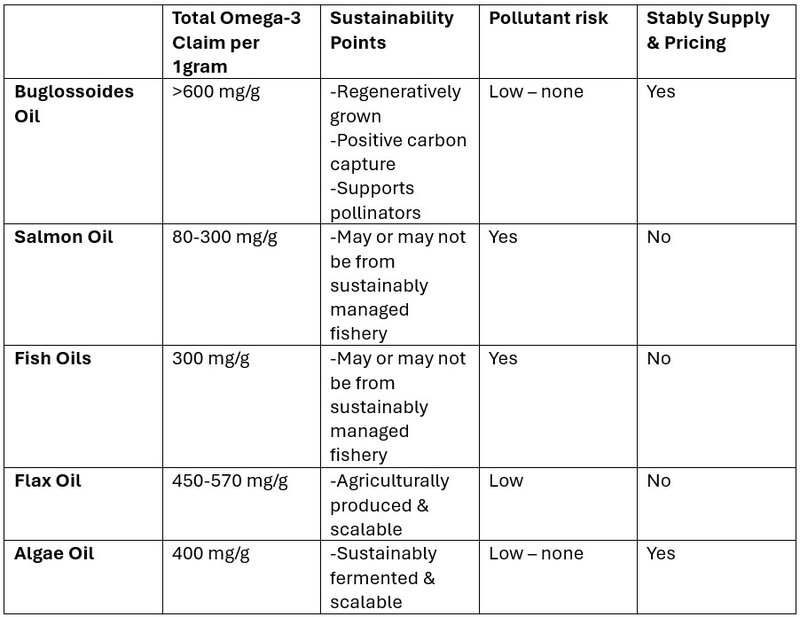
Table 1. Comparison of Consumer-Facing Concerns Relating to Common Omega-3 Pet Oils.
There is a lot of information for brands to absorb when deciding what omega-3 solutions to offer their consumers, and just as much information for consumers to explore when deciding what omega-3 product is right for their pets. While the dynamics of omega-3 supply, nutrition, and evolving science can be a lot to grasp, there are a few certain points that all brands, product formulators, and consumers can rely on: omega-3s are essential for all mammals, they are contained in every single cell in the mammal body, and they must be consumed in the diet. The latest science in plant-based omega-3 metabolism in animals shows that physiological benefits associated with improved omega-3 intakes can be achieved with no eco-sustainability, palatability, supply chain or delivered oil quality downsides compared to fish oil sources.
References and notes

References and notes
- 45% of Americans prefer pets over children: https://theharrispoll.com/wp-content/uploads/2024/10/State-of-Pets-October-2024.pdf
- EU Consumers treat pets like a child: https://www.mintel.com/press-centre/pet-love-three-quarters-of-german-pet-owners-treat-their-pet-like-a-child/
- USA Sustainable preferences: https://www.mckinsey.com/industries/consumer-packaged-goods/our-insights/consumers-care-about-sustainability-and-back-it-up-with-their-wallets
- EU Sustainable preferences: https://europa.eu/eurobarometer/surveys/detail/704
- Peru anchovy closure: https://www.intrafish.com/fisheries/canceled-peru-anchovy-season-costs-industry-1-billion-fishmeal-plants-shut-down-for-first-time-in-30-years/2-1-1504344
- 2024 Alaskan salmon collapse: https://www.seafoodsource.com/news/business-finance/alaska-state-representative-calls-for-fishery-disaster-request-after-low-salmon-returns
- Global fish catch volume: https://ourworldindata.org/fish-and-overfishing
- Baker EJ. Alternative sources of bioactive omega-3 fatty acids: what are the options? Curr Opin Clin Nutr Metab Care. 2024 Mar 1;27(2):106-115. doi: 10.1097/MCO.0000000000001006. Epub 2023 Dec 7. PMID: 38126230. https://pubmed.ncbi.nlm.nih.gov/38126230/
- Metherel 2024. Adam H. Metherel et al. Blood and tissue docosahexaenoic acid (DHA, 22:6n-3) turnover rates from Ahiflower® oil are not different than from DHA ethyl ester oil in a diet switch mouse model, Biochimica et Biophysica Acta (BBA) - Molecular and Cell Biology of Lipids, Volume 1869, Issue 1, 2024, https://doi.org/10.1016/j.bbalip.2023.159422. https://www.sciencedirect.com/science/article/abs/pii/S1388198123001464?via%3Dihub
- Rotarescu 2024. Rotarescu RD, et al. Serum measures of docosahexaenoic acid (DHA) synthesis underestimates whole body DHA synthesis in male and female mice. J Nutr Biochem. 2024 Sep;131:109689. doi: 10.1016/j.jnutbio.2024.109689. https://pubmed.ncbi.nlm.nih.gov/38876393/
- Laevski 2024. Laevski, A.M., et al. Dietary omega-3 fatty acids modulate the production of platelet-derived microvesicles in an in vivo inflammatory arthritis model. Eur J Nutr63, 2221–2234 (2024). https://doi.org/10.1007/s00394-024-03397-9; https://link.springer.com/article/10.1007/s00394-024-03397-9
- Lucchinetti 2024. Eliana Lucchinetti, et al. The Novel Lipid Emulsion Vegaven Is Well Tolerated and Elicits Distinct Biological Actions Compared With a Mixed-Oil Lipid Emulsion Containing Fish Oil: A Parenteral Nutrition Trial in Piglets, The Journal of Nutrition, Volume 155, Issue 3, 2025, Pages 703-718, https://doi.org/10.1016/j.tjnut.2024.10.047; https://www.sciencedirect.com/science/article/pii/S0022316624011246?via%3Dihub
- Ahiflower oil fatty acid composition and cited literature: https://www.ahiflower.com/ahiflower-science
