Advertorial
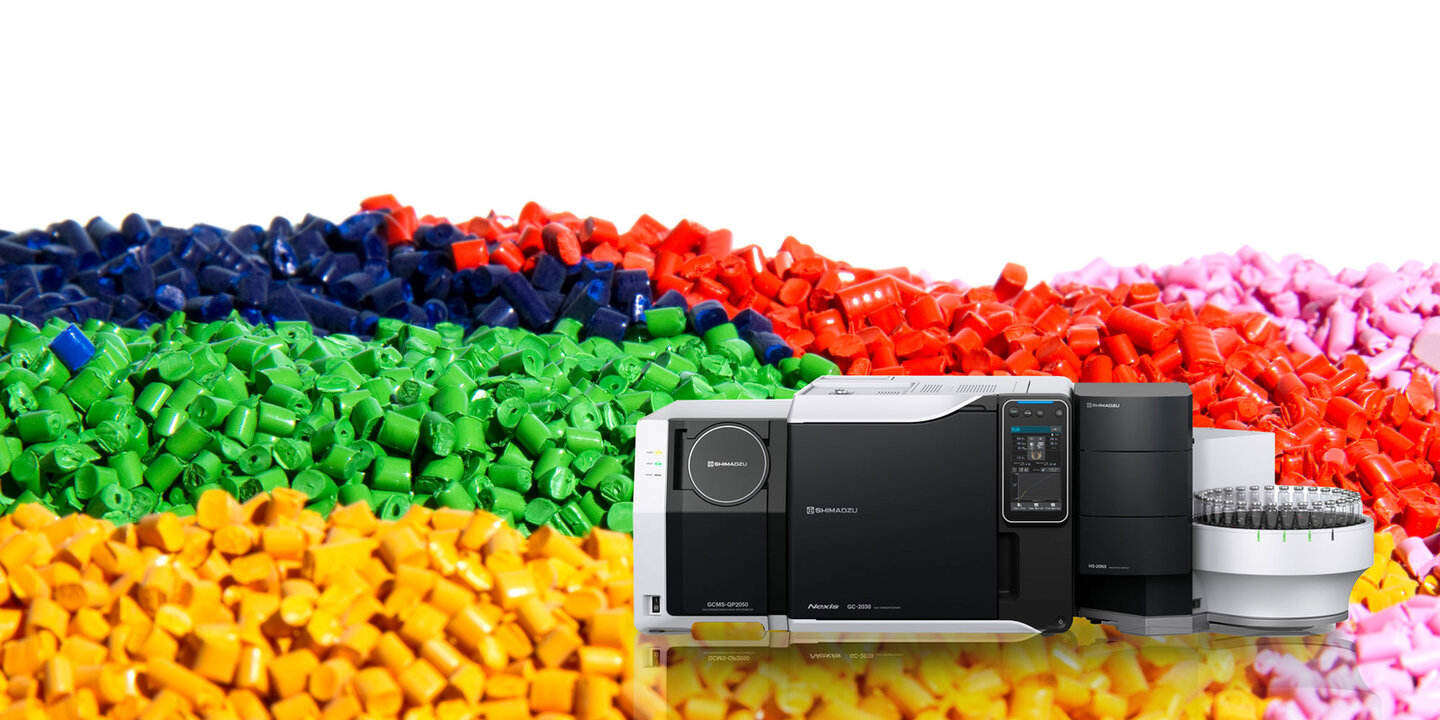
Advertorial
Non-Intentionally Added Substances (NIAS) in Plastics: Implications for Additive Toxicity and the Need for Analysis
Introduction
By Dr. Jan Peter Mayser, Market Manager Food at Shimadzu Europa GmbH
In combination with the issue of microplastics, the issue of non-intentionally added substances (NIAS) has gathered significant attention within environmental and health circles for plastics. These compounds, which can inadvertently find their way into plastic products, pose potential risks due to their toxic nature and origin from additives in polymers. It is critical to understand the characteristics of NIAS and their implications for safety regulations and consumer health.
Understanding NIAS in Plastics
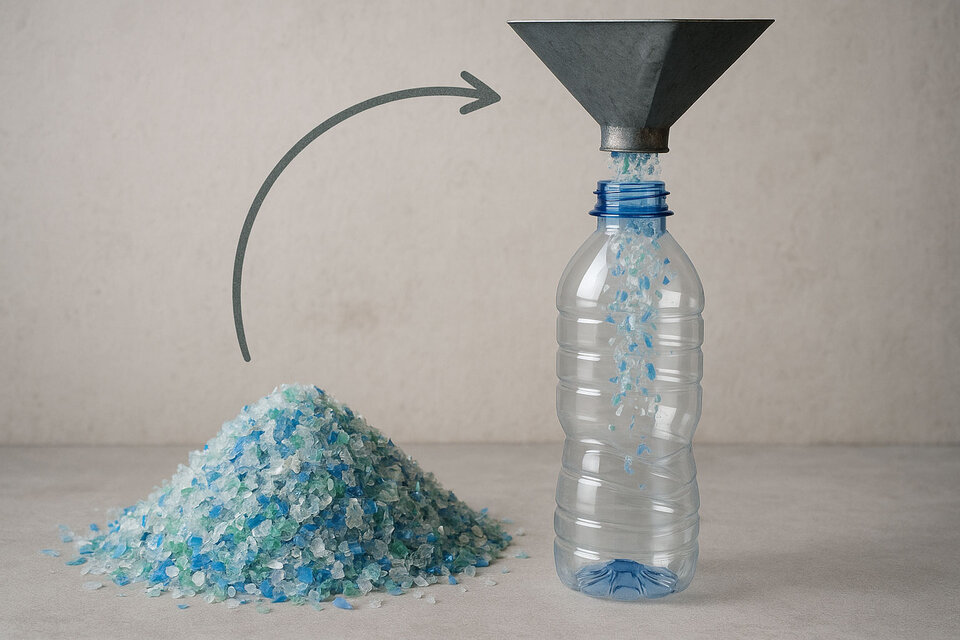
The term “NIAS” encompasses a broad range of chemical substances that are not deliberately added during the manufacturing process of plastic products. They can emerge from various sources, including degradation of materials, reactions with other components, or contamination during recycling processes. The presence of these substances is especially concerning in materials intended for food contact, such as recycled polyethylene terephthalate (rPET), where migration into consumables can occur (1),(2).
Among NIAS, several common volatile organic compounds (VOCs) warrant scrutiny. For instance, acetaldehyde, benzene, and limonene have been identified in rPET. Acetaldehyde can form as a product of the thermal degradation of PET, while benzene, known for its carcinogenic qualities, can migrate from polyvinyl chloride (PVC) in recycling scenarios. Although limonene is less toxic, its presence can affect the sensory attributes of packaged products, leading to undesirable flavours (1),(2). The method of choice to monitor these VOCs is a large volume headspace extraction, for example using the Shimadzu GCMS-QP2050 combined with the HS-20 NX.
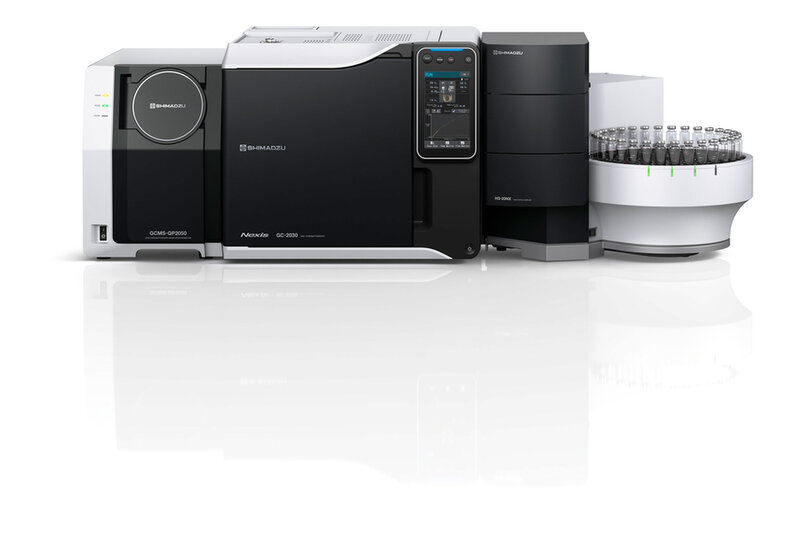
The GCMS-QP2050 and HS-20 NX headspace autosampler can be used for analysing VOCs like acetaldehyde, benzene, and limonene in rPET samples.
Toxicity of Additives and Their Implications
The additives used in plastics, such as plasticizers, stabilizers, and colouring agents, are essential for enhancing product performance. However, many of these substances carry risks associated with potential toxicity. For instance, certain phthalates used as plasticizers have been linked to negative health outcomes, including hormonal disruptions and reproductive issues.
Recent analyses emphasize the necessity of monitoring these additives in the context of potential leaching into food and drinks. As consumers unknowingly consume NIAS that may have migrated from the materials packaging, the long-term health consequences remain poorly understood. Consequently, the science surrounding additive migration and toxicity becomes paramount in ensuring consumer safety.
The Importance of Analysing NIAS
Given the potential health hazards, the analysis of NIAS in plastics is crucial. Regulatory bodies and manufacturers must assess the safety profiles of these materials before they are deemed suitable for food contact. Analytical techniques, such as gas chromatography-mass spectrometry (GC-MS), have been employed to effectively quantify concentrations of VOCs, including those deemed as NIAS (3).
Several studies, utilizing the Shimadzu GCMS-QP2050 with the HS-20 NX headspace autosampler, highlight the effectiveness of analysing rPET samples for NIAS, yielding quality control data for manufacturers and aiding regulators in enforcing safety standards. For instance, a recent investigation utilized the HS-20 NX headspace autosampler to identify and quantify VOCs in rPET, demonstrating good recovery rates and repeatability—critical attributes for reliable testing (4).
Regulatory Considerations
Regulatory standards, such as those enforced by the European Commission, focus on the migration limits of these substances into food. The significance of thorough analysis cannot be overstated, particularly as public awareness grows around chemical exposure from everyday products. Greater transparency regarding the nature and quantity of NIAS present in consumer products can aid businesses in making informed decisions regarding product formulations and consumer safety
Future Directions
Moving forward, it is essential that plastic manufacturers adopt stringent analytical testing protocols for NIAS and foster practices that minimize the risk of harmful substance migration. In addition, consumer education and product labelling both play a vital role in mitigating health risks. By empowering consumers with knowledge, they can make educated choices about the materials they use in their everyday lives.
Non-intentionally added substances represent a hidden threat in the realm of plastic materials, particularly those used in food packaging. The toxic potential of additives present in these polymers necessitates comprehensive analysis and robust regulatory frameworks. As we advance, an interdisciplinary approach—combining scientific research, industry standards, instrument development and consumer advocacy—will be pivotal in addressing the complexities surrounding NIAS in plastics and ensuring public health safety.
References and notes
- Thoden van Velzen, E. U., Brouwer, M. T., Stärker, C., & Welle, F. (2020). Effect of recycled content and rPET quality on the properties of PET bottles, part II: Migration. Packaging Technology and Science, 33(9), 359-371.
- Coniglio, M. A., Fioriglio, C., & Laganà, P. (2019). Non-Intentionally Added Substances in PET-Bottled Mineral Water. SPRINGERBRIEFS IN MOLECULAR SCIENCE, 1-66.
- European Commission, 2011. Commission regulation (EU) No 10/2011.
- Application Note Shimadzu, Acetaldehyde, Benzene, and Limonene in Recycled PET (rPET) Bottles by Headspace-GCMS, Puah Perng Yang, Elvi Horiyanto, Cynthia Melanie Lahey, June 2025. Available for download via https://www.shimadzu.eu/sites/shimadzu.seg/files/pim/pim_document_file/seg_eu/applications/application_note/25844/Acetaldehyde%2C%20Benzene%2C%20and%20Limonene%20in%20Recycled.pdf.

CONTACTS
Dr. Jan Peter Mayser,
Market Manager Food at Shimadzu Europa GmbH mayser.j@shimadzu.eu

Customer’s publication