Consumer perspective
— Column
Reading Between the Bites -
How Well Do We Know Our Pets?
KEYWORDS
Pet Care
Dog
Dog Food
Pet Food
Emotions
Liking
Consumer
USDA/FDA
Alternative protein
About the Authors
Michelle Niedziela1, PhD, Amanda Lee2
1. Founder, Nerdoscientist LLC
2. VP of Research & Innovation, HCD Research
Michelle Niedziela (PhD), founder of Nerdoscientist, is a behavioral neuroscientist working in the consumer and market research space, integrating applied consumer neuroscience tools with behavioral science and traditional methods used to measure consumer response. Experienced from academia (Monell Chemical Senses Center) and industry (Johnson & Johnson, Mars Chocolate, HCD Research), helping organizations successfully implement cognitive science tools and programs into their products and research.
Amanda Lee is a market research professional with a passion for applying cognitive psychology and behavioral neuroscience to products and services. She has experience in healthcare research (Snow Companies, HCD Research) and is interested in the CPG and Food and Beverage industries (Wegmans Food Markets). She encourages others to connect with her on LinkedIn and reach out to network.



For today’s pet owners, animals are more than our companions, they are beloved family members whose wellbeing is deeply tied to our own. The secure attachments we form with our pets mirror the bonds we create with close family, and as owners increasingly identify as “pet parents,” they shape how they nurture, care for, and provide for their animals. Feeding is central to this relationship. It’s no surprise that pet feeding trends are beginning to mirror our own, with growing emphasis on variety, pleasure, health, and enrichment. After all, we think to ourselves: we wouldn’t want to eat the same meal every day, so why should our pets?
This reflects on a larger trend of pet humanization. While our intentions are loving, understanding how pets actually feel about their food is far from simple. Pets cannot tell us if they enjoy their meals. Instead, owners are left to interpret subtle signals, such as changes in tail wagging, appetite, or enthusiasm at the bowl. And there lies the challenge: humans aren’t nearly as skilled at reading animal emotions as we often assume. Our interpretations are often shaped by projection, context, and bias, and these biases strongly influence the products we buy and the directions the pet food industry takes.
In other words, pet food development isn’t just about what the dog enjoys, it’s equally about what the owner perceives the dog enjoys. And those perceptions play a powerful role in shaping both individual choices and broader market trends.
Therefore, pet food development shouldn’t only focus on what dogs eat, but also consider how owners interpret and influence that eating. We must recognize that those interpretations (accurate or not) are what truly drive purchase decisions and industry trends.
Adding a Little Extra
Psychologists call it anthropomorphism: our tendency to attribute human feelings to animals. For pet owners, this instinct is amplified by the deep emotional bonds we share with our pets. Feeding, in particular, becomes more than nutrition; it becomes an act of love, care, and identity. Just as we strive to create healthy, enjoyable, and varied meals for our families, we project the same expectations onto our pets’ bowls. This alignment between pet and human food trends isn’t coincidental. Pet food innovation is increasingly shaped by the same forces driving human food: health and wellness, clean-label expectations, and the rise of premium, indulgent experiences. Analysts note that “most trends in pet food mirror those in human food,” with transparency, sustainability, and functional benefits now seen as baseline requirements rather than optional extras (Nutritional Outlook, 2023).
Just as human diets have diversified to emphasize variety, novelty, and functional health, pet owners are seeking ways to enrich mealtime beyond a single scoop of kibble. Inspired by these same shifts, pet food toppers have emerged as a particularly popular solution. They reflect the same values we apply to our own meals: layering flavors, textures, temperatures, and even scents to create a more appealing and “premium” experience.
This alignment isn’t just theoretical; it’s visible on the shelf. While raw and fresh diets are often positioned as the gold standard, their higher cost and complexity make them less practical for many households. Toppers, by contrast, provide a middle ground, like Wellness CORE Bowl Boosters are marketed around digestive or immune support, mirroring the rise of functional foods for humans. In 2025, one in four pet owners are using toppers—up significantly from just 13% in 2019 (Cosgrove, 2025). These products span freeze-dried meats, wet foods, broths, gravies, and frozen blends, designed to be layered over kibble to instantly elevate the meal. They offer convenience and affordability while allowing owners to feel they are providing something indulgent and thoughtfully prepared. These parallels highlight how human values of health, transparency, and indulgence now shape the way we feed our pets.
The parallels to human food trends are striking. Just as we might add a drizzle of olive oil, a probiotic yogurt, or a vitamin-fortified smoothie to our own diets, pet owners are now customizing their pets’ bowls with added nutrition and variety. Many toppers also promise functional benefits (supporting joints, digestion, or urinary health) mirroring the way humans reach for supplements to promote overall wellness. In fact, according to a recent survey, 53% of dog owners now give their dogs vitamins and supplements, a 6% increase from 2023 and a 56% increase over the past six years.
At the heart of this is a deeply human motivation: eating is one of life’s greatest pleasures, and mealtimes are about more than just sustenance. For both humans and pets, they represent care, comfort, and enjoyment. By customizing mealtime with toppers, owners believe they are not only nourishing their pets’ bodies but also enhancing their happiness. But that raises an important question: what does a truly “happy” pet look like at mealtime, and how can we be sure we are reading those signals correctly?
Wag the Dog: Misreading Mealtime
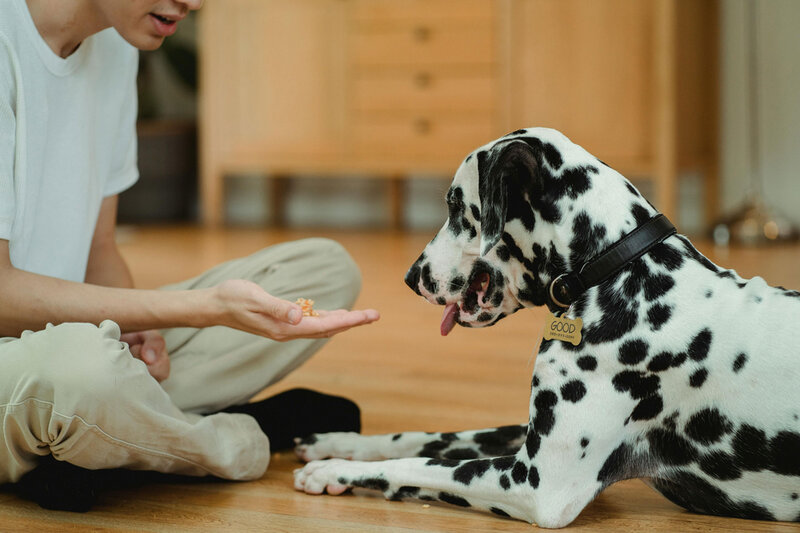
Pet owners can likely relate to this scene: you set down your dog’s usual kibble, but this time you add a new topper. Your dog devours it more quickly than usual. You smile, assuming the topper made the difference, renewing enthusiasm for mealtime and signaling that your pet is happy and satisfied. But is that really the case? Was your dog expressing enjoyment, or simply responding to hunger? This simple scenario highlights a fundamental challenge in pet feeding research: how can we truly know what pets are feeling?
Owners often rely on visible cues, like a wagging tail or excited eating, as proof of happiness. Yet as we noted earlier, interpreting animal behavior through a human lens is risky. Eating quickly may reflect hunger, habit, or even competition anxiety rather than genuine delight in the food itself.
Complicating matters further, pets respond differently to novelty. Sometimes hesitation at the bowl signals neophobia, a natural caution toward unfamiliar foods. Other times, the very same hesitation may indicate genuine dislike, such as when a food smells “off.” To an observer, the behaviors (sniffing, pawing, or delaying) look similar, making it difficult to separate curiosity from rejection.
Many of the cues owners interpret are also shaped by learning and reinforcement. If a dog has repeatedly been rewarded after approaching or eating a certain food, they may eagerly consume it again, not necessarily because they “like” this new product, but because prior experience has taught them to associate the behavior with reward. This makes it risky to equate enthusiasm with preference.
Research underscores this complexity. In a study using facial expression analysis, researchers found that dogs given food rewards and those denied rewards both showed overlapping signals, such as ear movement, blinking, or nose-licking, making it impossible to tie a single expression directly to enjoyment. In another study, owners asked to evaluate their dogs’ preferences among dental chews often looked for overt signs of joy (jumping, playing, vocalizing) but the more reliable indicators were subtle: chewing duration and investigative time.
Together, these findings remind us that interpreting pet enjoyment is anything but straightforward.
Observable behaviors can reflect hunger, novelty, reinforcement, or subtle affective states, making it difficult to draw clear lines between “liking” and simply “eating.” And yet, these imperfect interpretations matter: the way owners read their pets’ signals ultimately shapes not only daily feeding choices, but also the larger trends and innovations driving the pet food industry.
When Humans Shape the Menu
When evaluating canine food palatability, human and environmental factors often play as large a role as the food itself. In-home testing offers strong ecological validity: it allows pets to be observed in the environments where they are most comfortable and where the subtleties of everyday routines, distractions, and owner–pet dynamics naturally unfold. Watching how a dog eats in the kitchen while the kids are running around, or whether they hesitate more when another pet is nearby, can reveal insights that would never emerge in a sterile lab environment.
At the same time, in-home research highlights just how deeply human behavior influences canine feeding. Owners are rarely neutral observers. Their enthusiasm, tone of voice, and body language when presenting a food can shift the outcome. A recent study found that when owners displayed interest in a bowl containing fewer pieces of kibble compared to a fuller bowl, dogs often chose the “lesser” option. This counterintuitive result shows how human cues can override natural preference or hunger-driven behavior.
Bias doesn’t stop at presentation. Owners’ preconceptions, often shaped by branding, packaging, marketing claims, or beliefs about health and nutrition do affect how foods are introduced. A pet parent convinced that “grain-free is healthier” may present such a product with more enthusiasm, unconsciously influencing their dog’s reaction. In this sense, the dog’s “choice” is often as much about human psychology as it is about palatability.
This is why observational methods in real-world settings are so valuable. Ethnographic-style research, video diaries, and passive behavioral tracking can capture nuanced interactions between pets, owners, and environments. These approaches can help us untangle the pet’s authentic reactions from the overlay of human expectation and influence, revealing not only what the dog eats, but why the owner interprets that choice in a particular way.
Feeding as a Shared Experience
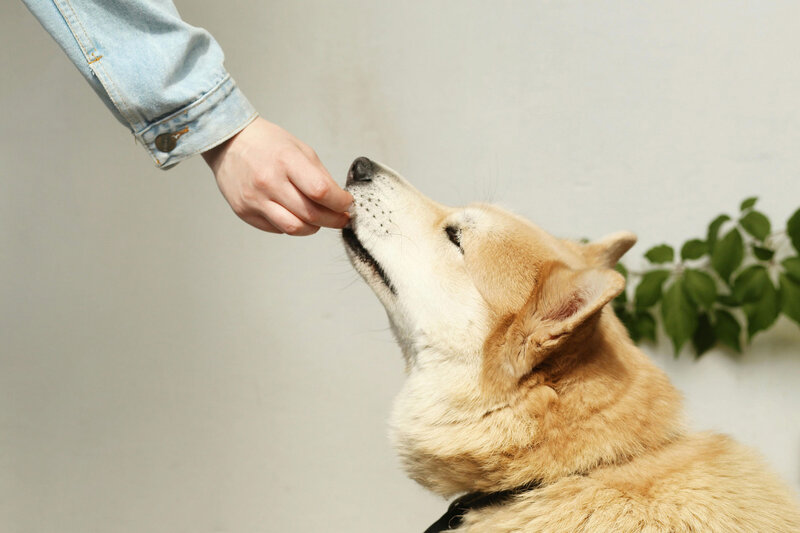
Buying pet food is not just about what goes into the bowl. It’s also about what the owner believes their pet enjoys and what reassures them they are making the right choice. Owners want their pets to live long, healthy, happy lives, and mealtime becomes a ritual where those hopes are enacted. Variety and novelty are often interpreted as enrichment, while health and functional cues provide reassurance.
For product developers, this means designing for a dual audience: the pet and the human. Products must appeal to pets’ sensory needs while also aligning with owners’ emotional expectations and values. This is where human food trends may also become particularly informative. Clean labels, functional ingredients, sustainability claims, indulgent add-ons… these are all themes that resonate strongly with today’s consumers and, when thoughtfully adapted, can also appeal to pet owners. The parallel is clear: just as we seek probiotic yogurts or vitamin-fortified drinks for ourselves, we are drawn to toppers and supplements for our pets.
At the same time, keeping pets’ actual needs at the center is crucial. A product that appeals to the owner but upsets the pet’s digestion, or creates neophobic hesitation, will not succeed long-term. The challenge is to balance novelty with familiarity. Introducing formats, textures, and claims that excite owners without overwhelming pets.
Crucially, what we call the interpretation loop matters. Pets show behaviors, owners interpret those signals, and those interpretations feed back into purchase decisions. When owners believe their pets enjoy a food, their own sense of well-being is reinforced and that, in turn, strengthens loyalty to the product and the brand. Packaging, messaging, and positioning can all help close this loop, reassuring owners that their choices are responsible, healthful, and enriching.
Designing for Two Audiences
The challenge, but also the opportunity, for the pet food industry is recognizing that products are judged through two sets of eyes. Pets may express subtle, hard-to-read cues, but owners interpret those cues and act on them. Successful innovation in this space requires drawing inspiration from human food trends while ensuring products ultimately deliver on the promise of happy, healthy pets. The takeaway is clear: the most successful pet food is the kind that makes both ends of the leash happy.

References and notes
- Bourgeois, H., Elliott, D., Marniquet, P., & Soulard, Y. (2006). Dietary behavior of dogs and cats. Bulletin de l'Académie vétérinaire de France, 159(4), 301-308.
- Calderón, N., White, B. L., & Seo, H. S. (2024). Measuring palatability of pet food products: Sensory components, evaluations, challenges, and opportunities. Journal of food science, 89(12), 8175-8196.
- Cao, M. (2014). How owners’ anthropomorphic tendencies associated with their feeding method towards their pets, and ultimately influence the pets’ weight status. Wageningen University: Wageningen, The Netherlands.
- Cosgrove, N. (2025, January 22). 10 Dog Food Trends in 2025: Pet Food Industry Facts & Statistics. Dogster. Retrieved September 8, 2025, from Dogster website.
- Hoffman, C. L., & Suchak, M. (2017). Dog rivalry impacts following behavior in a decision-making task involving food. Animal Cognition, 20(4), 689-701.
- Johnson, A. C., Miller, H. C., & Wynne, C. D. (2023). How dog behavior influences pet owner’s perceptions of dog preference for dental chews. Animals, 13(12), 1964.
- Serpell, J. (2002). Anthropomorphism and anthropomorphic selection—beyond the" cute response". Society & Animals, 10(4), 437-454.
- Wellness Pet Food. (n.d.). Wellness Bowl Boosters Functional Topper – Digestive Health. Retrieved September 8, 2025, from Wellness Pet Food website: https://www.wellnesspetfood.com/product-catalog/wellness-bowl-boosters-functional-topper-digestive-health/