
Panel discussion on...
ESG & Strategic Partnerships in Pharma Supply Chain


Dani Reguant
Supply Chain Director, Uquifa Group


Building Resilient, Transparent and Future-Ready Pharma Supply Chains Through ESG
ESG as a strategic lever
In the pharmaceutical industry, ESG has become a strategic tool to strengthen quality, supply continuity and customer trust. At UQUIFA, ESG is not only about compliance; it helps us anticipate risks, improve decision-making and build stronger long-term partnerships.
We integrate ESG into the qualification and monitoring of suppliers and external manufacturers. While quality, cost, availability and regulatory compliance remain essential, companies increasingly need partners that also demonstrate transparency, traceability, sustainability, technical reliability and ethical business practices.
Through tools such as our Third-Party Code of Conduct, ESG assessments and periodic reviews, we can identify risks, define improvement actions and prioritise suppliers that support sustainable growth.
Digitalisation, AI and expert judgement
Digitalisation is transforming supply chains by improving transparency, traceability and risk visibility. By connecting information across suppliers, materials, incidents, ESG performance and regulatory or logistical risks, companies can make faster and better-informed decisions.
At UQUIFA, AI already supports supplier segmentation and ESG risk assessment. It helps analyse documentation, identify risk signals and prioritise actions across our supplier base. However, AI remains a support tool. In a highly regulated industry such as pharma, decisions must always rely on reliable data, robust governance and expert judgement. Technology should enhance human expertise, not replace it.
Industrial innovation and environmental performance
Industrial innovation should improve not only productivity but also sustainability. In API and fine chemical manufacturing, automation, process monitoring, predictive maintenance and energy optimisation can reduce resource consumption, waste and emissions while improving operational efficiency.
Often, meaningful environmental improvements come from practical actions such as increasing yields, recovering materials, optimising cleaning processes and improving production planning. Sustainability is frequently driven by data, discipline and continuous improvement rather than large investments alone.
Circular economy with technical realism
The circular economy offers important opportunities for the pharmaceutical sector, but implementation must respect quality, safety, GMP requirements and regulatory expectations. Solvent recovery, waste valorisation, packaging reduction and logistics optimisation can deliver environmental benefits when supported by proper risk assessment and technical validation.
Success requires early collaboration between pharmaceutical companies, CDMOs, suppliers, quality and regulatory teams. Circularity should be approached as a shared objective that balances environmental ambition with technical and industrial feasibility.
Governance, Evidence and Accountability
Strong governance is essential for turning ESG commitments into measurable results. Policies must be supported by clear responsibilities, performance indicators, monitoring systems and corrective actions.
Today, stakeholders expect evidence rather than declarations. Metrics such as supplier assessments, corrective action plans, traceability, environmental performance and logistics-related emissions provide a more accurate picture of supply chain maturity. Integrating ESG with procurement, quality, compliance and operations strengthens both resilience and transparency.
Resilience, Geopolitics and Risk Prioritisation
ESG and resilience are increasingly interconnected. Climate events, geopolitical tensions, trade restrictions, logistics disruptions and governance failures can all affect access to raw materials, intermediates and critical services.
To reduce these risks, UQUIFA follows a dual approach. First, we qualify suppliers and manufacturers across different geographical regions to reduce dependency on single sources. Second, we use our own Risk Priority Number (RPN) methodology to classify suppliers according to factors such as criticality, location and other relevant risks.
This approach helps us prioritise actions, reduce vulnerabilities and develop alternatives before disruptions occur. In the pharmaceutical industry, anticipation is essential to protect quality, continuity of supply and customer confidence.
Strategic partners and cross-border collaboration
A strategic supplier is not defined only by capacity or price. It is a partner that demonstrates reliability, transparency, collaboration and a commitment to ESG principles.
Resilient supply chains are built through qualified and diversified supplier networks aligned with GMP and ESG standards. Regular assessments, performance monitoring, audits and shared objectives help strengthen these relationships.
Cross-border collaboration is equally important. Regulatory, logistical and sustainability challenges cannot be managed in isolation. Effective partnerships are based on trust, information sharing, technical expertise and a long-term perspective. The goal is not simply to expand the supplier network, but to improve its quality and reliability.
From fragmentation to integrated ESG leadership
One of the key lessons from other industries is that ESG cannot be managed as a standalone function. In pharma, sustainability must be integrated with quality, compliance, procurement, operations and digitalisation.
Looking towards 2030, ESG leadership will be defined by measurable results rather than extensive reporting. Leading organisations will rely on traceable data, risk-based supplier management, digital tools and multidisciplinary collaboration to improve resilience, efficiency and transparency.
The greatest challenge remains fragmentation. Companies that successfully connect ESG with core business decisions will be better positioned to respond to future risks and stakeholder expectations.
The evolving role of CDMOs
By 2030, CDMOs will play a broader strategic role within pharmaceutical supply chains. Beyond manufacturing, they will contribute to innovation, risk management, environmental performance and ESG objectives.
Key capabilities will include technical excellence, operational flexibility, digitalisation, supplier governance and collaboration on sustainability initiatives. The most successful CDMOs will demonstrate that resilience and sustainability are complementary goals that strengthen long-term competitiveness.
At UQUIFA, we are advancing in this direction by combining industrial expertise, ESG integration and proactive risk management to help build a more transparent, resilient and future-ready pharmaceutical supply chain.
Panelists

Blake Unterreiner
Vice President and Business Unit Leader, Agilent Advanced Therapeutics


Michael Rainey
Director of Supply Chain, Almac Sciences

Françoise Durand-Rivoire
Global Head of ESG, Axplora

Hans van Hees
COO of Bachem AG

Matthias Müllner
CEO and co-founder of bespark*bio

Kerstin Stangier
Head of Corporate Development, Governance & Sustainability, BioSpring

Yann Dherve
Chief Executive Officer - CDMO, Cohance Lifesciences

Roger La Force
Managing Director, Dorra Pharma Group

Joanne Flinn
Chair, The ESG Institute


Xavier Touche1, Alain Goasguen2
1. Global Head of Supply Chain at Euroapi
2. Head of Environment & Energy at Euroapi

Anne Lise Kopp
Corporate ESG & Transformation Leader, Flamma Group

Robert Dream
Managing Director, HDR COMPANY LLC

Nathalie Huther
Chief Commercial Officer, HFR

Justin Mason-Home, FRSC
Owner/Director, HPAPI Project Services Limited

Patrizia Fazio
Head of applied research coordination, Imprima

Laura Monti
Responsible Sourcing - Purchasing department, Indena

Stanislav Kazanov
Head of GRC, Cybersecurity & Sustainability, Innowise

Sonja Merkas
Founder and CEO, Livinovea

Verena Buback
Head of Sustainability Strategy, Merck Procurement

Dirk Kirschneck
Strategic Director,
Microinnova Engineering GmbH
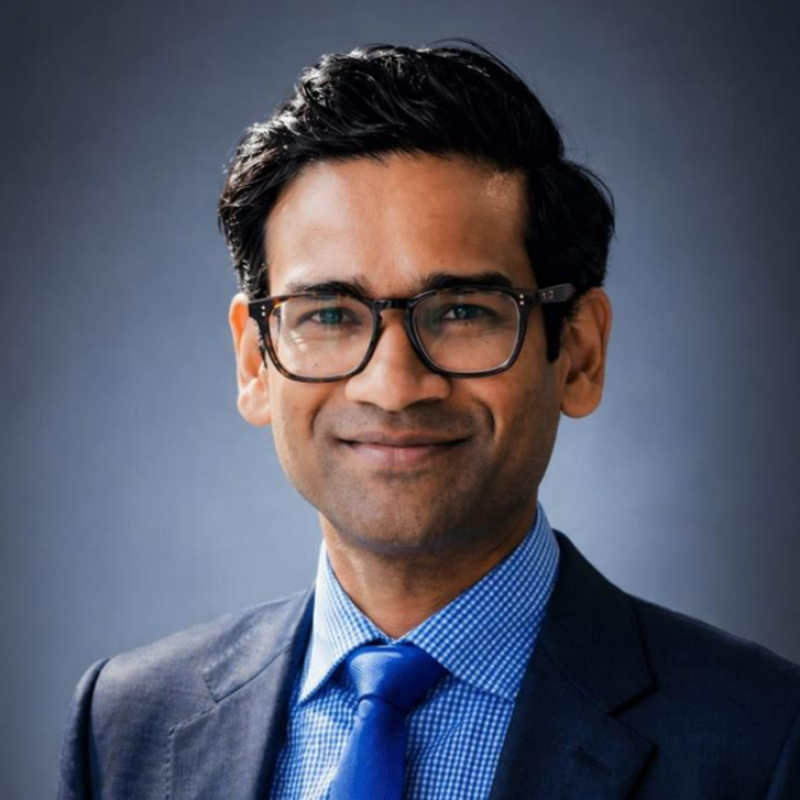
Saharsh Davuluri
CEO & Managing Director, Neuland Laboratories

Tammy Cooper
President, Nitto Avecia and
Nitto Avecia Pharma Services

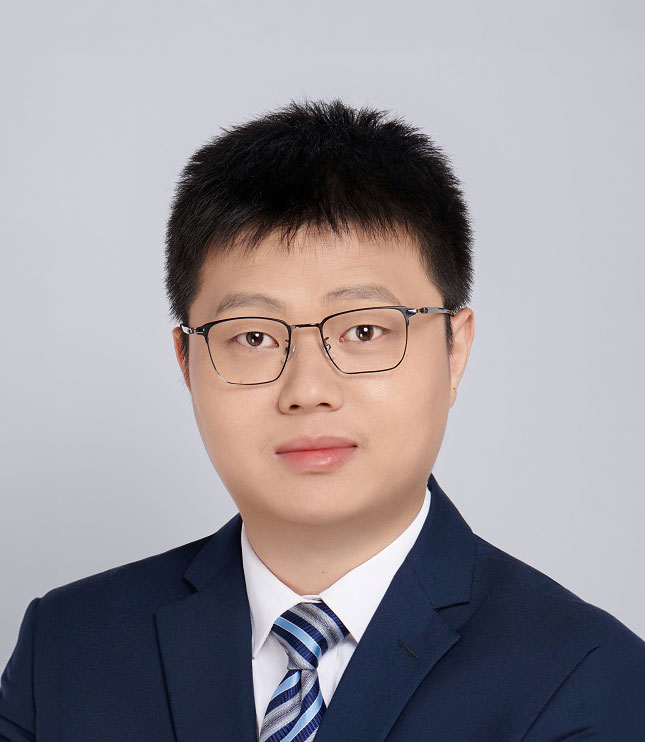

Shaojun Zhu1, Dongxin Zhang2, David Ennis3
1. Director of Sustainability Development, PharmaBlock
2. Executive Director and Head of Business for New Modalities, PharmaBlock
3. Executive Advisor, PharmaBlock

Peter DeYoung
CEO, Piramal Global Pharma

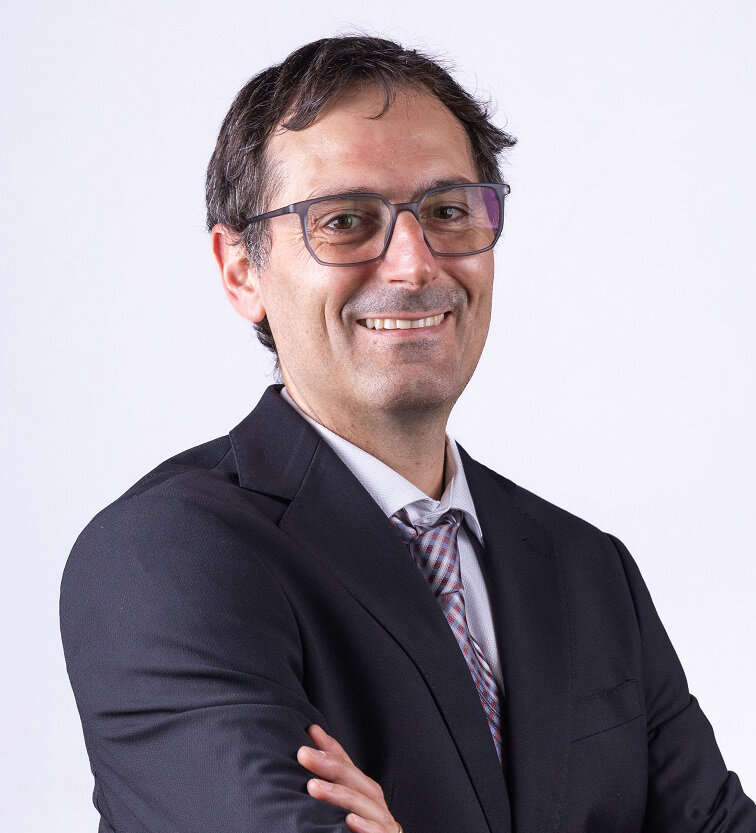
Sonia Rasi1, Michele Tappa2
1. Financial Director & Chief Sustainability Officer, Procos
2. ESG Manager, Procos
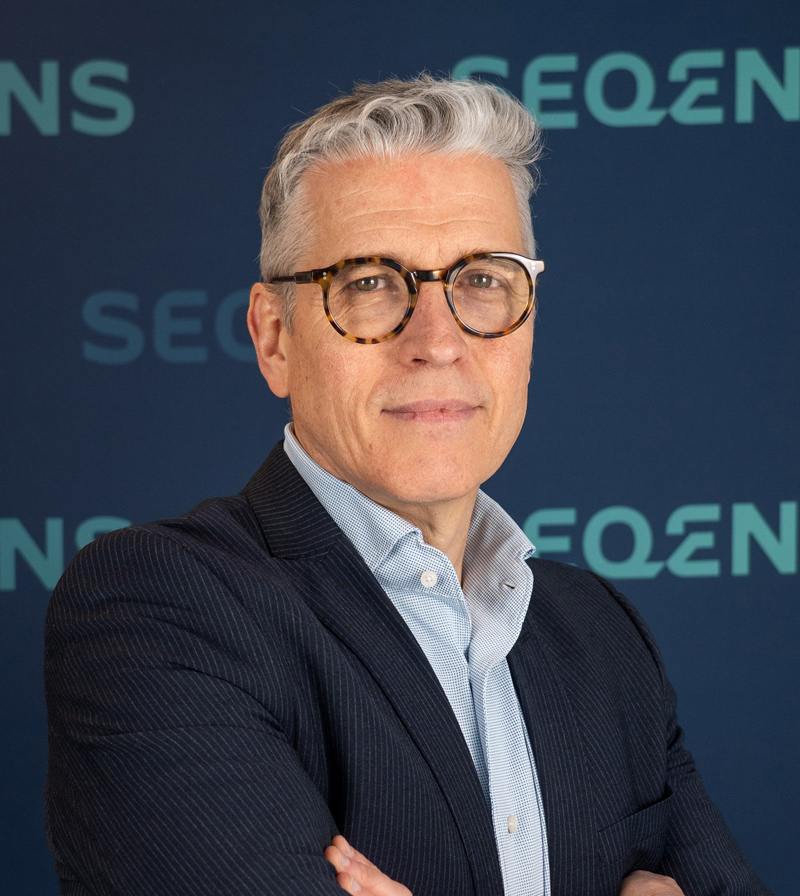
Pascal Villemagne
CEO, Seqens

Darryl Ratty
Executive Director, Global ESG, SK pharmteco


Natalia Agüeros1, Ralf Karch2
1. Sr. Director, ESG & Sustainability, Umicore
2. Director BU Research & Development at PMC, Umicore
Dani Reguant
Supply Chain Director, Uquifa Group