
Panel discussion on...
ESG & Strategic Partnerships in Pharma Supply Chain


Laura Monti
Responsible Sourcing - Purchasing department, Indena


With global supply chains under pressure from regulation, climate risk and stakeholder scrutiny, what digital tools or AI/ML-driven platforms are you using (or planning) to ensure real-time transparency, traceability and ESG performance across multiple tiers of your pharma supply network?
Traceability and transparency have always been crucial for Indena as well as the sustainability of our vegetal raw materials supply chains. We’ve seen and are assisting to the fast evolution of regulations and the strong impacts of climate change and what’s crystal clear is that we need more than more data and precise insights of what happens before our gates. To collect and analyse these data, we cannot rely only on “manual management” of questionnaires and spreadsheets: we need digital tools optimized with AI to digest this large number of inputs and to predict the risks based on results. Indena is supported in its daily work by different tools; among them, Sedex and Ecovadis platforms allow to have a deep dive especially on the ESG performances. Our objective is to address and evaluate all our different type of suppliers and service providers under the ESG perspective, of course with a priority-driven approach, where the business relevance is combined to the sustainability pre-assessment. AI tools are significantly helping to simplify the match of different criteria, leading to assign to each supplier a score that can be read and managed in different ways, according to the specific needs we have. AI tools are then useful to cover the subsequent steps of our responsible sourcing due diligence, allowing us to effectively gather the information from the supply chain and analysed them to validate or not the identified risks. These phases are essential to evidence where and how we need to focus and to cooperate with our suppliers, to ameliorate or mitigate the impacts that our activities have on nature and communities. The same platforms mentioned are used to monitor the progresses towards our common objectives.
Regarding our vegetal raw material supply chains, we have a more specific approach. Not only the suppliers are evaluated, but also the species, its production and the concerned environment are carefully considered. To do so, we rely on our internal resources (mainly agronomists and botanists) as well as on third party organizations, specialized in the assessments of these type of supply chains. In general, every supply chain is peculiar and presents specific risks, increasing from Tier 1 to Tier X, but not always companies go beyond Tier 1. In our case, we strive to directly reach the field and the involved community where the vegetal species is grown or collected. Often it means to face hard challenges and to have in mind that even the initial assessment can be difficult to be delivered; the complete process of due diligence and implementation of corrective actions take long time and requires more efforts. In this context, a long-term vision is necessary as well as a genuine engagement of the entire supply chain. AI tools are surely useful for having a preliminary screen of what the situation and the threats could look like, but then it’s fundamental to be on the ground and have a clear insight of the social and environmental constraints and dynamics. Technology and human experience and sensitivity should be integrated to deliver sound results.
With ESG disclosures, due-diligence requirements and multi-tier supplier accountability rising, how are you aligning and governing your supply-chain relationships (raw materials, manufacture, logistics) so you can deliver the data, audit trails and assurance demanded by pharma-clients, investors and regulators?
Supply-chain resilience and ESG are no longer separate agendas: climate events, social disruptions, governance lapses all inject risk. How are you integrating ESG factors into your supply-chain risk-management frameworks — including supplier mapping, scenario-modelling, redundancy, reshoring/diversification strategy?
In the emerging era of pharma manufacturing (smart plants, digital twins, modular units), what defines a strategic partner in your eyes? What key governance mechanisms, contract-incentives or metrics differentiate the partners you view as truly aligned with ESG-and-resilience goals?
Looking ahead to 2030 and beyond, what will define leadership in pharma supply-chain ESG? What capabilities will best-in-class organizations have — and where are most firms falling behind today?
How are global geopolitical events, such as wars, trade conflicts, or shifting international policies, impacting your ability to deliver on ESG commitments in pharma supply chains? What strategies are you deploying to mitigate these risks?
The dramatic worldwide scenario of today could be read in two different ways.
In one way it could represents the failure of our actions, or better, the effects of our inactions. We can still try to float, grasping what we have and resist, continuously adapting our way of doing business, little by little, to the changes and events. This approach could not be winning.
In the second way, the current world represents a leverage: for being truly proactive, for being and doing better, for us and for the future generations. Businesses are responsible and must feel accountable of what and could happens. Cooperation with institutions and between businesses is the key to have a stronger and positive impact, that could really make the difference. In our context, we strive to work transparently with our suppliers to evaluate the weakest points in terms of sustainability and to address them and eliminate or, where not possible, to mitigate the negative impacts. Now it’s the time to be bold and to open our eyes on what really matters. We cannot think to do all by ourselves, it’s necessary to join forces and work together on the big challenges: climate change, social inequity, and loss of biodiversity. Through the building of strong and healthy relationships, we can really do something. Certifications and numbers are reliable, but we try to go beyond them and believe and trust suppliers who are transparent and have a real interest and commitment in the sustainable development. We cooperate on specific projects built after sound evaluations; they require time, dedication and continuous adjustments, but we know that we’re doing together something that could potentially bring for real more prosperity and mutual beneficial to all the stakeholders involved.
Panelists

Blake Unterreiner
Vice President and Business Unit Leader, Agilent Advanced Therapeutics


Michael Rainey
Director of Supply Chain, Almac Sciences
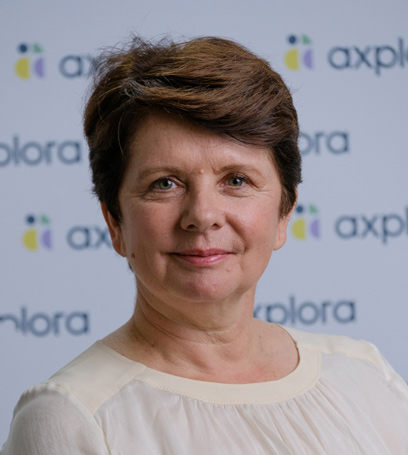
Françoise Durand-Rivoire
Global Head of ESG, Axplora

Hans van Hees
COO of Bachem AG
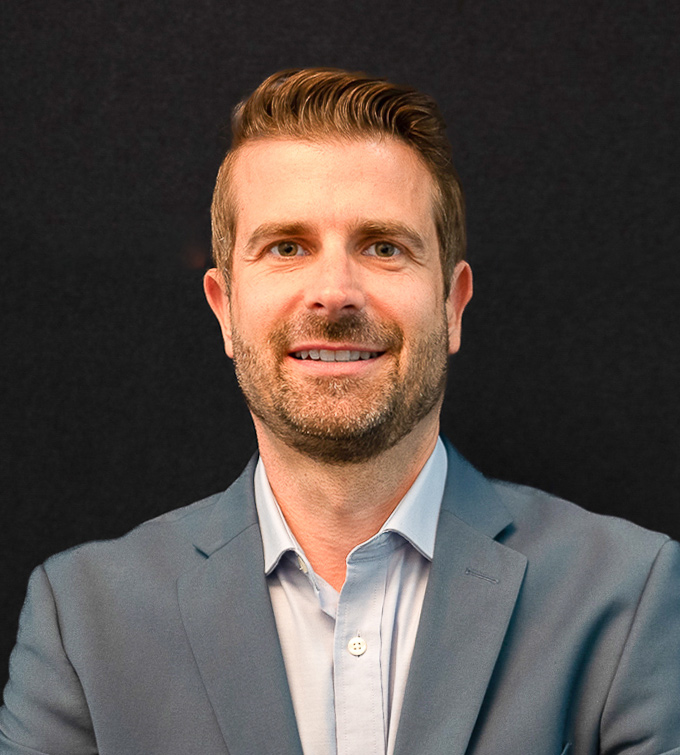
Matthias Müllner
CEO and co-founder of bespark*bio

Kerstin Stangier
Head of Corporate Development, Governance & Sustainability, BioSpring

Yann Dherve
Chief Executive Officer - CDMO, Cohance Lifesciences

Roger La Force
Managing Director, Dorra Pharma Group

Joanne Flinn
Chair, The ESG Institute
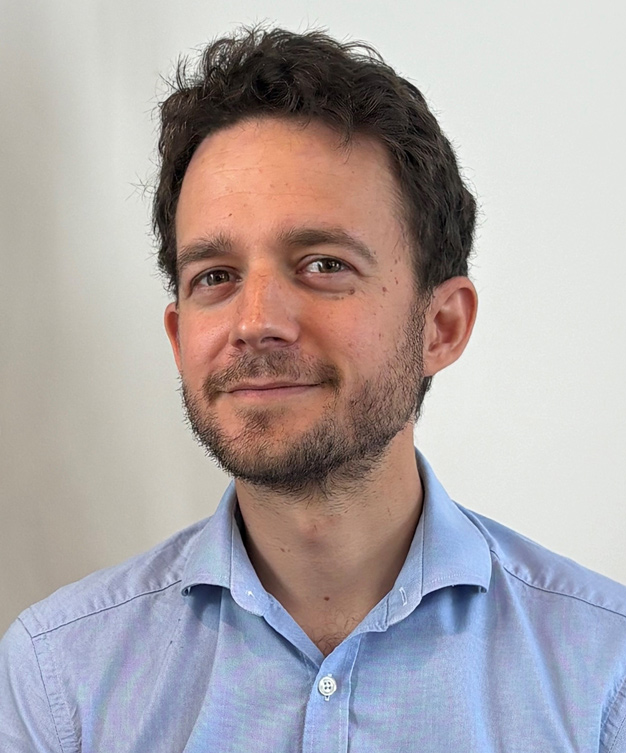

Xavier Touche1, Alain Goasguen2
1. Global Head of Supply Chain at Euroapi
2. Head of Environment & Energy at Euroapi

Anne Lise Kopp
Corporate ESG & Transformation Leader, Flamma Group

Robert Dream
Managing Director, HDR COMPANY LLC
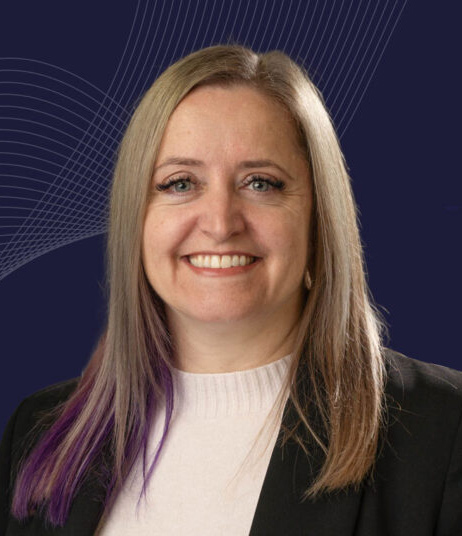
Nathalie Huther
Chief Commercial Officer, HFR

Justin Mason-Home, FRSC
Owner/Director, HPAPI Project Services Limited

Patrizia Fazio
Head of applied research coordination, Imprima

Laura Monti
Responsible Sourcing - Purchasing department, Indena

Stanislav Kazanov
Head of GRC, Cybersecurity & Sustainability, Innowise

Sonja Merkas
Founder and CEO, Livinovea

Verena Buback
Head of Sustainability Strategy, Merck Procurement
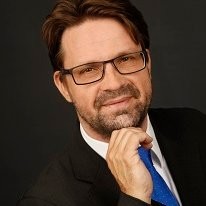
Dirk Kirschneck
Strategic Director,
Microinnova Engineering GmbH
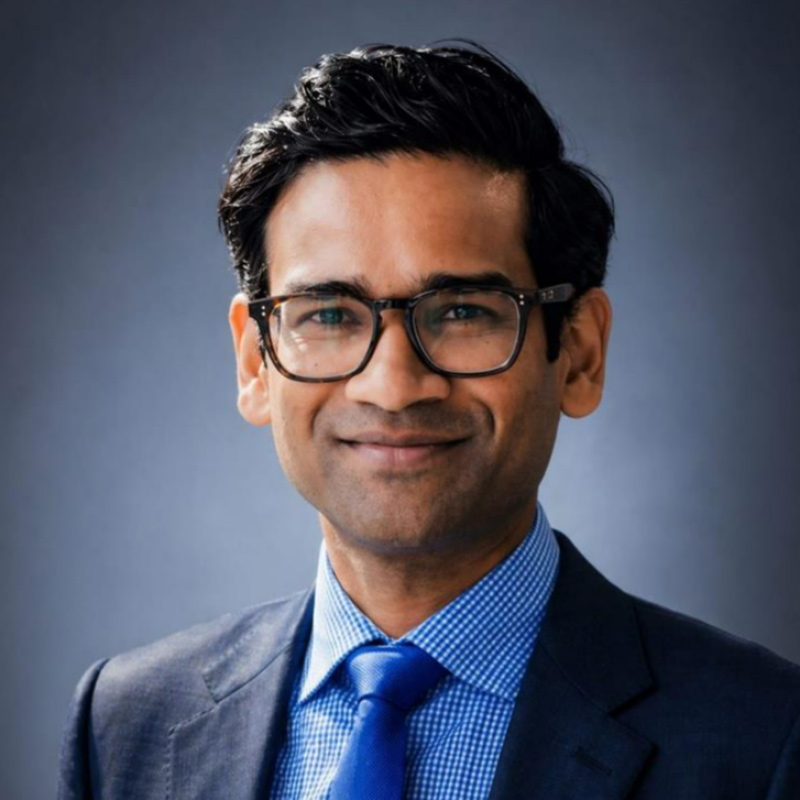
Saharsh Davuluri
CEO & Managing Director, Neuland Laboratories
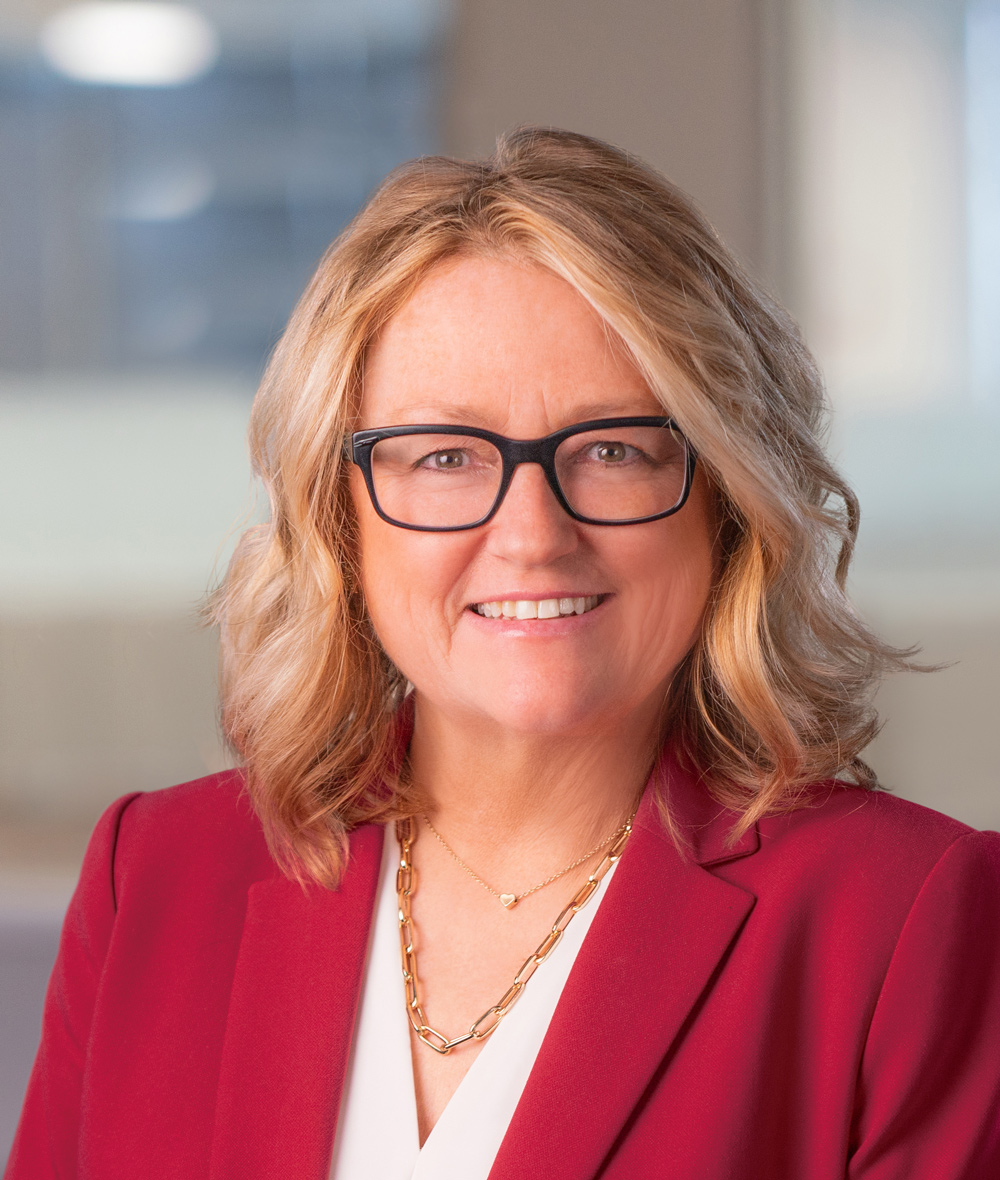
Tammy Cooper
President, Nitto Avecia and
Nitto Avecia Pharma Services
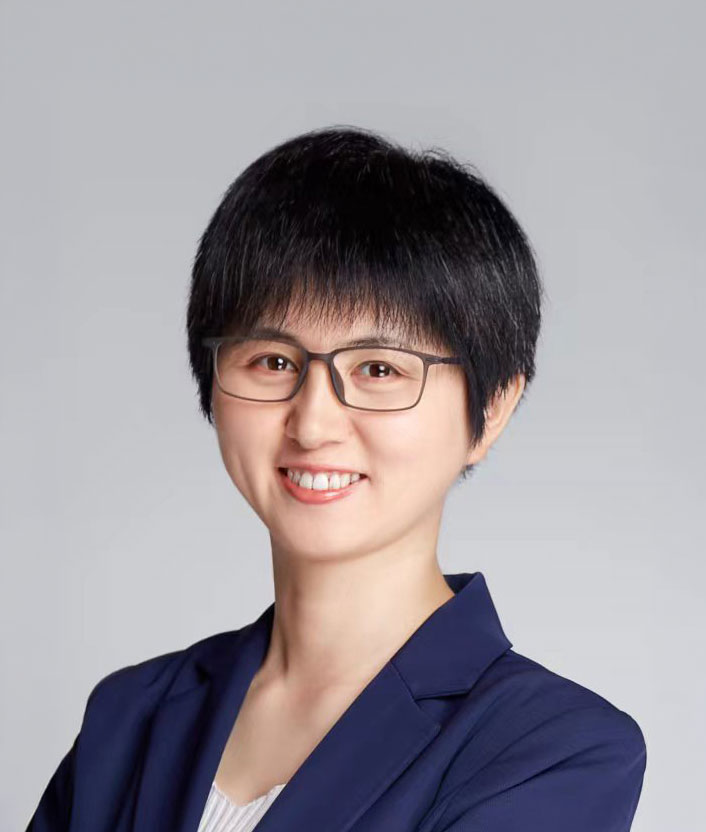
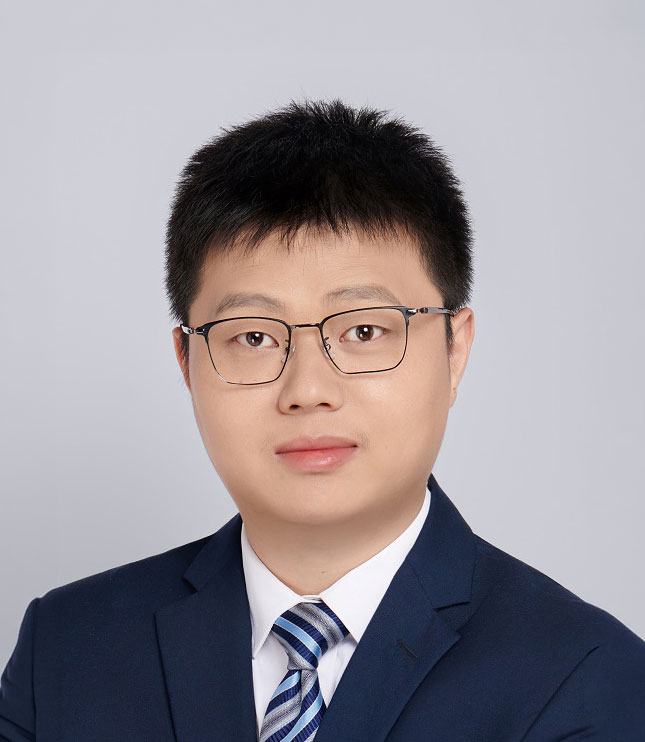

Shaojun Zhu1, Dongxin Zhang2, David Ennis3
1. Director of Sustainability Development, PharmaBlock
2. Executive Director and Head of Business for New Modalities, PharmaBlock
3. Executive Advisor, PharmaBlock
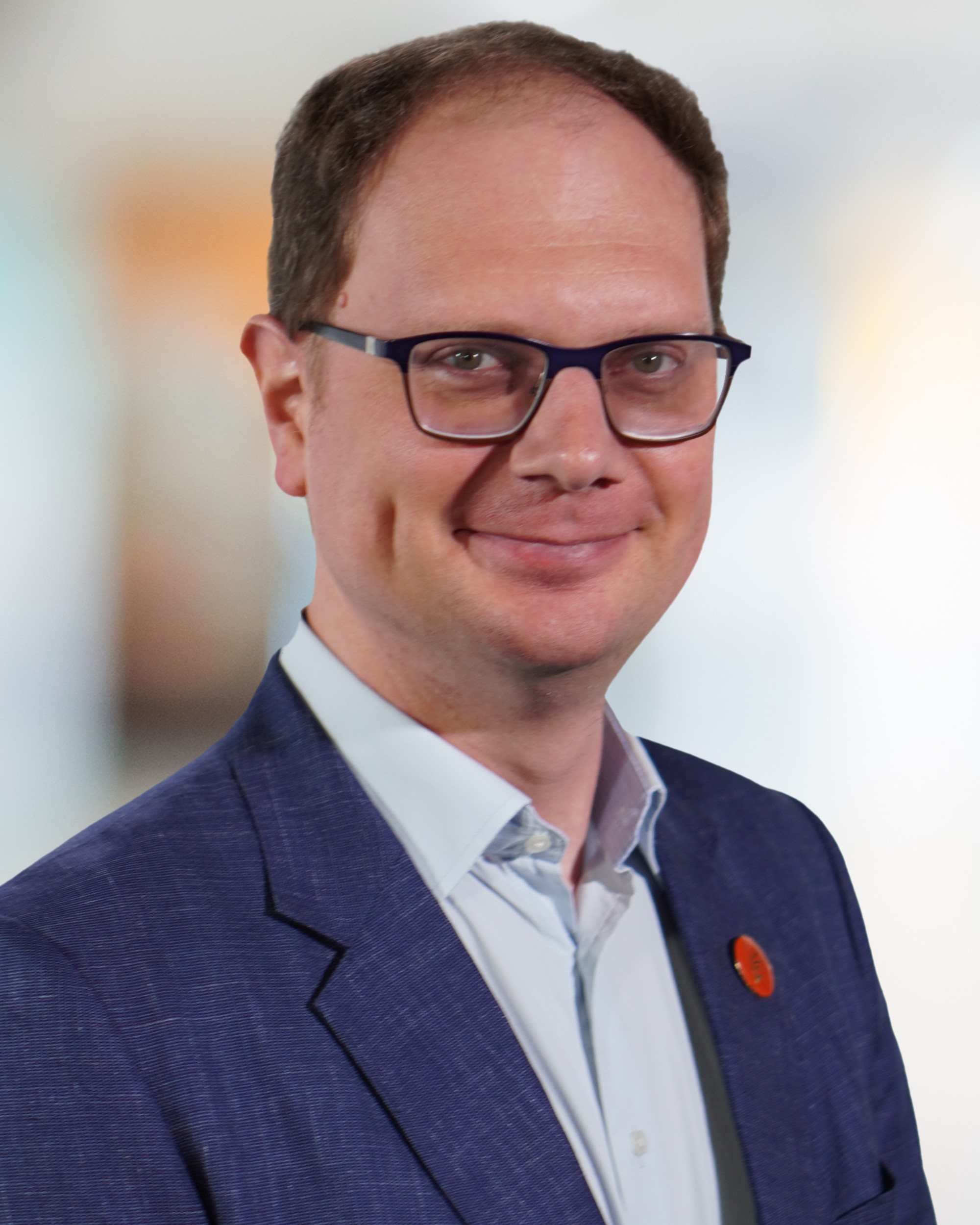
Peter DeYoung
CEO, Piramal Global Pharma

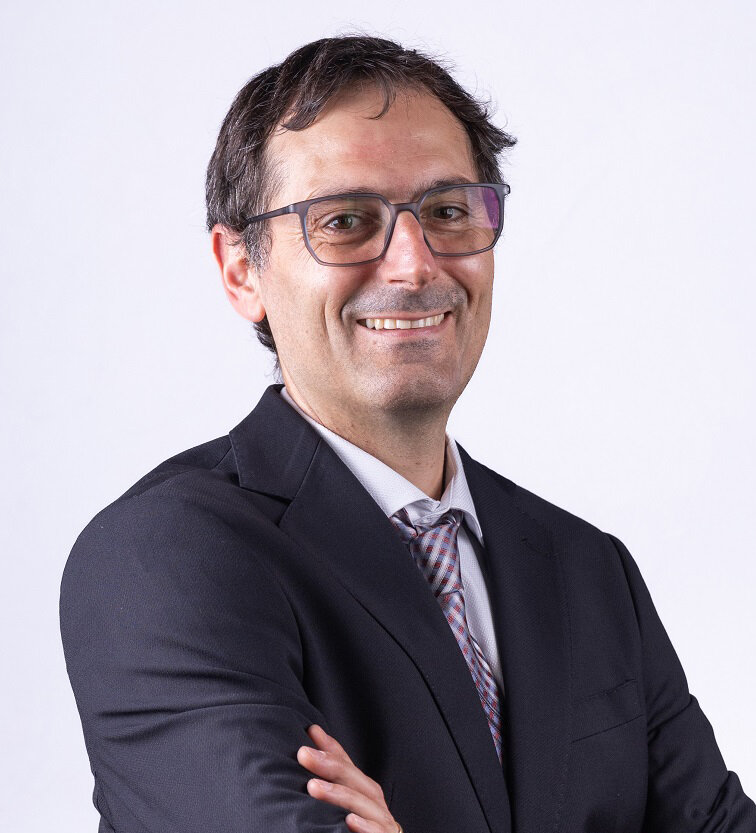
Sonia Rasi1, Michele Tappa2
1. Financial Director & Chief Sustainability Officer, Procos
2. ESG Manager, Procos
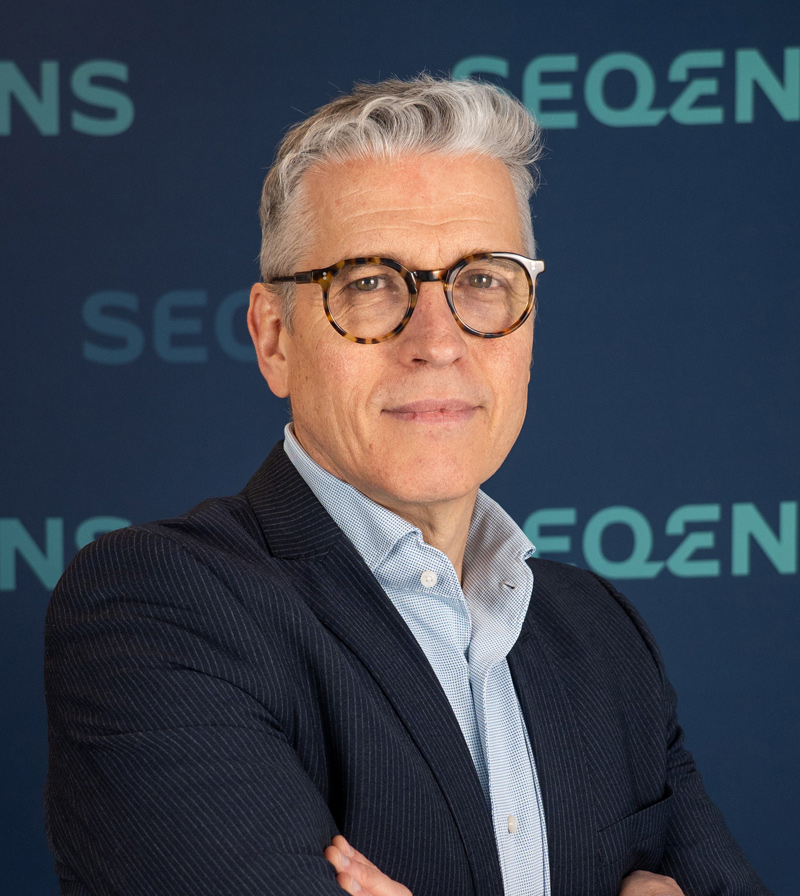
Pascal Villemagne
CEO, Seqens
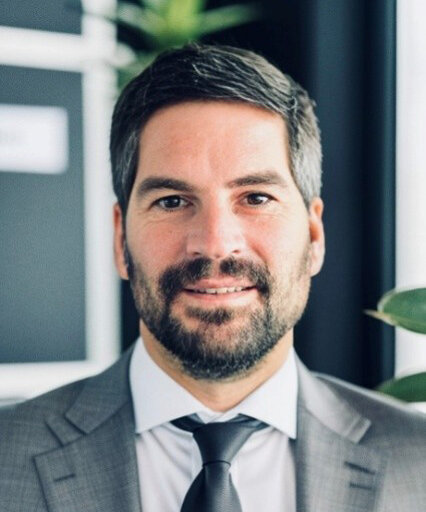
Darryl Ratty
Executive Director, Global ESG, SK pharmteco


Natalia Agüeros1, Ralf Karch2
1. Sr. Director, ESG & Sustainability, Umicore
2. Director BU Research & Development at PMC, Umicore

Dani Reguant
Supply Chain Director, Uquifa Group
References and notes
- Howes, M.J.R., Simmonds, M.S.J. and Kite, G.C. (2004) 'Evaluation of the quality of sandalwood essential oils by gas chromatography–mass spectrometry', Journal of Chromatography A, 1028(2), pp. 307-312. doi: 10.1016/j.chroma.2003.11.093.
- RTI Health, Social, and Economics Research (2002) 'The Economic Impacts of Inadequate Infrastructure for Software Testing', Report prepared for the National Institute of Standards and Technology (NIST), Gaithersburg, MD.