
Panel discussion on...
ESG & Strategic Partnerships in Pharma Supply Chain


Tammy Cooper
President, Nitto Avecia and Nitto Avecia Pharma Services


Operational Resilience: What I've Learned About Building a Stronger CDMO
Over the last several years, pharmaceutical manufacturers have been reminded of something we already knew: resilience matters.
The industry has faced supply shortages, transportation disruptions, geopolitical uncertainty, inflationary pressures, workforce challenges, and changing customer demands. At the same time, science continues to advance, with new modalities moving through development faster than ever while patients wait for therapies that can improve or save lives.
In this environment, operational resilience is no longer a competitive advantage. It is a requirement.
When I think about the future of our industry, I see ESG less as a compliance exercise and more as a way environmental responsibility, strong governance, resilient supply chains, and investment in people can help organizations consistently deliver for customers.
To me, these priorities are closely connected to operational resilience: having the people, processes, technology, facilities, and supply chains necessary to perform reliably in both good times and difficult ones.
For CDMOs, that responsibility carries even greater significance because our customers depend on us to help move important therapies from development through commercialization without interruption.
Resilience Starts with Continuous Improvement
One of the lessons I have learned throughout my career is that resilience is rarely built during a crisis. It is built long before a crisis occurs.
Organizations become more resilient through thousands of small improvements each year. Improvements to processes, safety, quality, equipment, training, and business practices may not seem dramatic individually, but together they create a stronger organization.
At Nitto Avecia, programs such as GATE (Group Activities Towards Excellence) encourage employees at all levels to identify opportunities for improvement in safety, manufacturing efficiency, operational reliability, data management, and waste reduction. While the objectives differ, they all contribute to building a better company.
In my experience, the organizations that continuously improve are also the organizations that recover the fastest when challenges arise.
Innovation Must Solve Real Manufacturing Problems
The growth of oligonucleotide therapeutics presents tremendous opportunities for patients, but it also creates manufacturing challenges.
Traditional oligonucleotide manufacturing requires significant raw materials, solvents, and processing steps. As customer programs move toward larger clinical and commercial volumes, the industry must find new ways to scale production while maintaining quality, reliability, and cost competitiveness.
That is why innovation remains a priority for us.
Our focus is innovation that solves real manufacturing problems. We are investing in technologies with the potential to improve yields, reduce waste, increase throughput, shorten cycle times, and support larger-scale manufacturing.
When manufacturing becomes more efficient, customers benefit through improved reliability and scalability. At the same time, reducing resource consumption, solvent use, and waste can improve environmental performance while strengthening overall operating performance.
To me, that is where innovation delivers the greatest value.
Building Facilities for the Long Term
Infrastructure decisions have long-lasting consequences.
Investments in new manufacturing capacity may influence operations for decades. They should support not only today's business needs but also future customers, technologies, and employees.
As we expanded our oligonucleotide manufacturing capabilities in Milford, MA, we focused on flexibility, efficiency, safety, and long-term reliability. The facility incorporates energy-efficient systems, solvent recycling capabilities, and design features intended to support both operational performance and future growth.
Good facility design should help organizations operate more efficiently while providing the flexibility required to support changing technologies and market demands.
The pharmaceutical industry continues to evolve rapidly, and facilities must be capable of evolving along with it.
Supply Chain Resilience Requires Visibility
Recent global disruptions brought difficult lessons for many industries, including pharmaceutical manufacturing.
Companies cannot effectively manage risks they cannot see.
Supply-chain resilience requires more than maintaining inventory or identifying backup suppliers. It requires understanding material origins, recognizing vulnerabilities, monitoring supplier performance, and maintaining visibility throughout the supply chain.
At Nitto Avecia, we work closely with suppliers, conduct vendor assessments, and continuously evaluate risk across our supply network. While no organization can eliminate every disruption, organizations can prepare themselves to respond more effectively.
In pharmaceutical manufacturing, ESG-driven procurement means balancing strict quality and regulatory requirements with sustainability goals. This can include reducing solvent waste and carbon-intensive processes while sourcing raw materials, excipients, and packaging from suppliers with strong ethical and environmental practices. Given the industry's reliance on energy-intensive chemical synthesis and single-use materials, these considerations are receiving increasing attention from regulators, investors, customers, and other stakeholders. Companies that incorporate ESG considerations into sourcing decisions through practices such as supplier audits and green chemistry initiatives can reduce risk while reinforcing the trust that patients and stakeholders place in the industry.
Technology is becoming increasingly important in this effort.
The integration of manufacturing, quality, inventory, and supply-chain data provides greater visibility and supports faster decision making. Emerging technologies, including AI and predictive analytics, may help organizations identify risks earlier and optimize decision making in ways that were not previously possible.
AI is also becoming a powerful enabler of sustainability by helping organizations analyze large amounts of data to optimize resource use, reduce waste, and better understand environmental impacts. In procurement and supply chains, AI can help identify more sustainable suppliers, improve demand forecasting to minimize overproduction, and flag potential risks such as unethical sourcing practices or excessive carbon footprints.
AI may also support sustainability reporting and compliance by automating ESG data collection and analysis. However, training and operating AI models can consume significant energy and resources. Used thoughtfully and with appropriate governance, AI can help balance operational performance with long-term environmental and social responsibility.
However, technology is only useful if it drives action. Better data should ultimately result in better decisions.
Partnerships Matter
Operational resilience is not built by one company alone.
Strong partnerships throughout the pharmaceutical supply chain are essential, especially in oligonucleotide development, where programs often evolve over many years from early development through commercial manufacturing.
Over time, continuity becomes extremely valuable. Maintaining process knowledge, technical expertise, and strong communication can help reduce risk and support better outcomes for customers.
The most successful relationships are built on transparency and trust, with both parties willing to discuss challenges openly, address risks early, and work together to find solutions.
Those types of partnerships create stability during periods of uncertainty and help programs continue moving forward when obstacles arise.
People Remain the Greatest Competitive Advantage
While discussions about resilience often focus on technology and infrastructure, I believe people remain the most important factor.
Scientists, engineers, operators, quality professionals, project managers, and others contribute every day to our customers' success and the therapies they are developing.
Creating a safe workplace, developing leaders, retaining critical knowledge, and fostering collaboration are investments in resilience.
Technology can improve processes. Facilities can improve efficiency. Data can improve decisions.
But ultimately, people solve problems.
Organizations that invest in their employees build capabilities that cannot easily be replicated.
Looking Forward
The pharmaceutical companies and CDMOs that succeed over the next decade will consistently execute in an increasingly complex environment.
They will combine innovation with operational discipline. They will strengthen their supply chains while continuing to invest in technology and people. They will build organizations capable of adapting to change without losing focus on quality, customer service, or patient needs.
At Nitto Avecia, operational resilience is not a separate initiative. It is part of how we run the business every day. The same is true of ESG. The greatest progress happens when environmental responsibility, investment in people, strong governance, innovation, and strategic partnership are integrated into everyday decisions. For CDMOs, I believe our role is not simply to manufacture products, but to help build the resilient, responsible supply chains that will support the next generation of medicines and the patients waiting for them.
Panelists

Blake Unterreiner
Vice President and Business Unit Leader, Agilent Advanced Therapeutics


Michael Rainey
Director of Supply Chain, Almac Sciences

Françoise Durand-Rivoire
Global Head of ESG, Axplora

Hans van Hees
COO of Bachem AG

Matthias Müllner
CEO and co-founder of bespark*bio

Kerstin Stangier
Head of Corporate Development, Governance & Sustainability, BioSpring

Yann Dherve
Chief Executive Officer - CDMO, Cohance Lifesciences

Roger La Force
Managing Director, Dorra Pharma Group

Joanne Flinn
Chair, The ESG Institute


Xavier Touche1, Alain Goasguen2
1. Global Head of Supply Chain at Euroapi
2. Head of Environment & Energy at Euroapi

Anne Lise Kopp
Corporate ESG & Transformation Leader, Flamma Group

Robert Dream
Managing Director, HDR COMPANY LLC

Nathalie Huther
Chief Commercial Officer, HFR

Justin Mason-Home, FRSC
Owner/Director, HPAPI Project Services Limited

Patrizia Fazio
Head of applied research coordination, Imprima

Laura Monti
Responsible Sourcing - Purchasing department, Indena

Stanislav Kazanov
Head of GRC, Cybersecurity & Sustainability, Innowise

Sonja Merkas
Founder and CEO, Livinovea

Verena Buback
Head of Sustainability Strategy, Merck Procurement

Dirk Kirschneck
Strategic Director,
Microinnova Engineering GmbH

Saharsh Davuluri
CEO & Managing Director, Neuland Laboratories
Tammy Cooper
President, Nitto Avecia and
Nitto Avecia Pharma Services

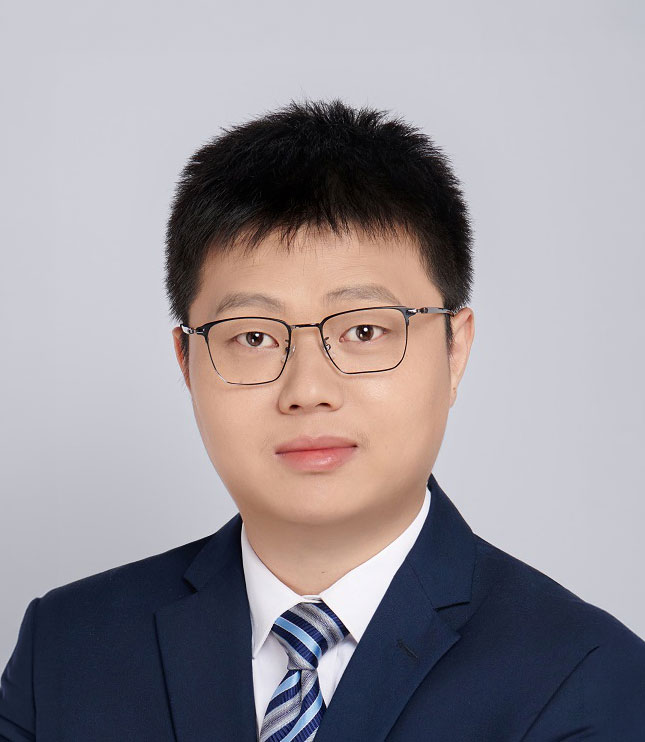

Shaojun Zhu1, Dongxin Zhang2, David Ennis3
1. Director of Sustainability Development, PharmaBlock
2. Executive Director and Head of Business for New Modalities, PharmaBlock
3. Executive Advisor, PharmaBlock

Peter DeYoung
CEO, Piramal Global Pharma

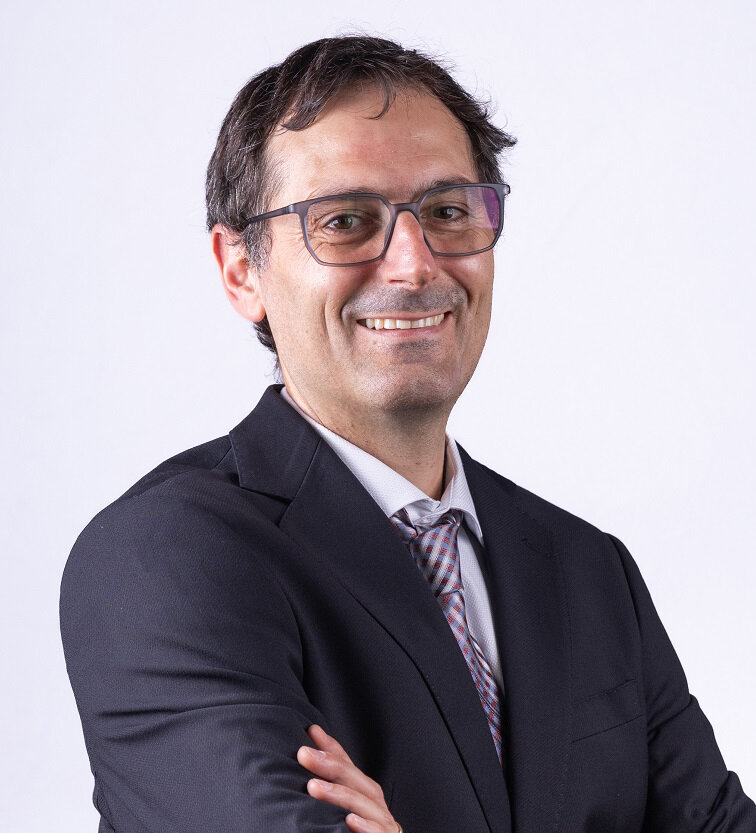
Sonia Rasi1, Michele Tappa2
1. Financial Director & Chief Sustainability Officer, Procos
2. ESG Manager, Procos
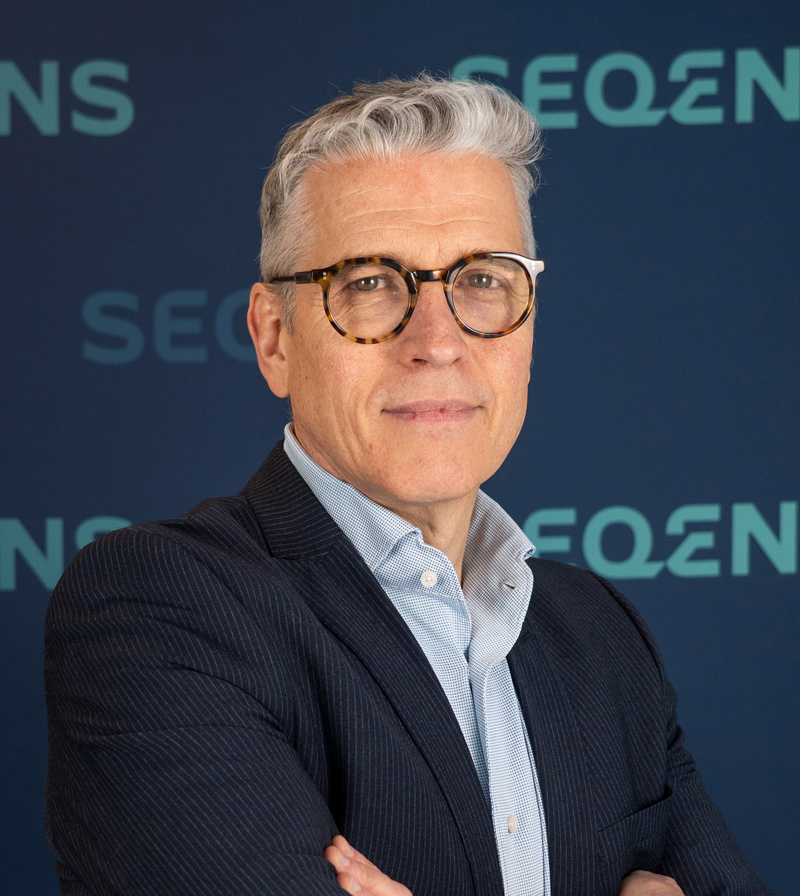
Pascal Villemagne
CEO, Seqens

Darryl Ratty
Executive Director, Global ESG, SK pharmteco


Natalia Agüeros1, Ralf Karch2
1. Sr. Director, ESG & Sustainability, Umicore
2. Director BU Research & Development at PMC, Umicore

Dani Reguant
Supply Chain Director, Uquifa Group
References and notes
- Howes, M.J.R., Simmonds, M.S.J. and Kite, G.C. (2004) 'Evaluation of the quality of sandalwood essential oils by gas chromatography–mass spectrometry', Journal of Chromatography A, 1028(2), pp. 307-312. doi: 10.1016/j.chroma.2003.11.093.
- RTI Health, Social, and Economics Research (2002) 'The Economic Impacts of Inadequate Infrastructure for Software Testing', Report prepared for the National Institute of Standards and Technology (NIST), Gaithersburg, MD.