
Panel discussion on...
ESG & Strategic Partnerships in Pharma Supply Chain


Dirk Kirschneck
Strategic Director, Microinnova Engineering GmbH


Advances in manufacturing (automation, digitalization, predictive analytics) are often seen through a cost-and-efficiency lens — how do you leverage these capabilities specifically to reduce carbon footprint, water and energy consumption, waste generation, and drive circularity in the pharma supply chain?
Better processes with a focus on process intensification and telescoping have a huge impact on waste reduction since workup is a kind of repair, that can be reduced through better processes. Flow processes have the ability to respond better to the needs of certain processes and enable an easier way to provide the same conditions to all molecules.
In the emerging era of pharma manufacturing (smart plants, digital twins, modular units), what defines a strategic partner in your eyes? What key governance mechanisms, contract-incentives or metrics differentiate the partners you view as truly aligned with ESG-and-resilience goals?
Emerging countries will get new capabilities to manufacture APIs for their own demand with new technologies. Smart and modular plants are expected to be competitive because of lower operating costs, even at smaller volumes. Knowledge is supported by specifically trained AI and machine learning. Even dark factories could be a tool to insource high-value manufacturing through AI-supported operational excellence, logistics excellence, and maintenance excellence.
What lessons can pharma supply chains learn from other industries that have successfully integrated ESG into their operations, and how might these insights be applied to future strategies?
The use of the Six-Sigma approach is common practice in electronics and automotive. The thinking in tolerances opens a huge field of improvement with the lead question: “Do all molecules have the same processing conditions?”, which is typically not the case in batch operation. For example, particle size distributions, which typically exceed a decade, could be accelerated significantly if all molecules had the same processing conditions. Similar effects could be caused by hot spots and concentration spots.
Inconsistent processing environments might lead to out-of-spec by-products, wasted materials, or higher energy consumption. Other industries achieved sustainability by strictly engineering out this variance. If the size tolerance for automotive screws was too large, some would not fit into their holes. In pharma, molecules subjected to loose processing conditions are these "screws that don't fit," creating the chemical waste that actively undermines a sustainable supply chain.
Looking ahead to 2030 and beyond, what will define leadership in pharma supply-chain ESG? What capabilities will best-in-class organizations have — and where are most firms falling behind today?
The key ability will be speed: in development, scale-up and in manufacturing. AI support will be a key factor, as well as plug-and-produce strategies. The ability to respond to changing conditions and needs will become a core competence. Dark factories with unsupervised manufacturing will enable cost-effective manufacturing independent of the region of production.
How are global geopolitical events, such as wars, trade conflicts, or shifting international policies, impacting your ability to deliver on ESG commitments in pharma supply chains? What strategies are you deploying to mitigate these risks?
Flexible and modular manufacturing plants in container infrastructures could be adjusted to respond to either market demands or political issues through easy relocation of these manufacturing units. A quick response to crises, such as COVID-19, would be much easier, too. AI supports this flexibility. Easy relocation of modular plants reduces risks regarding global geopolitical events.
What role does collaboration across borders play in ensuring ESG resilience in pharma supply chains during times of conflict or crisis? Are there specific examples of partnerships that have proven effective?
Speed and flexibility will be the main business drivers. All collaborations supporting these targets will be of utmost importance. Each day saved in development and launch of APIs will pay off almost immediately.
Panelists

Blake Unterreiner
Vice President and Business Unit Leader, Agilent Advanced Therapeutics


Michael Rainey
Director of Supply Chain, Almac Sciences

Françoise Durand-Rivoire
Global Head of ESG, Axplora

Hans van Hees
COO of Bachem AG

Matthias Müllner
CEO and co-founder of bespark*bio

Kerstin Stangier
Head of Corporate Development, Governance & Sustainability, BioSpring

Yann Dherve
Chief Executive Officer - CDMO, Cohance Lifesciences

Roger La Force
Managing Director, Dorra Pharma Group

Joanne Flinn
Chair, The ESG Institute


Xavier Touche1, Alain Goasguen2
1. Global Head of Supply Chain at Euroapi
2. Head of Environment & Energy at Euroapi

Anne Lise Kopp
Corporate ESG & Transformation Leader, Flamma Group

Robert Dream
Managing Director, HDR COMPANY LLC

Nathalie Huther
Chief Commercial Officer, HFR

Justin Mason-Home, FRSC
Owner/Director, HPAPI Project Services Limited

Patrizia Fazio
Head of applied research coordination, Imprima

Laura Monti
Responsible Sourcing - Purchasing department, Indena

Stanislav Kazanov
Head of GRC, Cybersecurity & Sustainability, Innowise

Sonja Merkas
Founder and CEO, Livinovea

Verena Buback
Head of Sustainability Strategy, Merck Procurement
Dirk Kirschneck
Strategic Director,
Microinnova Engineering GmbH
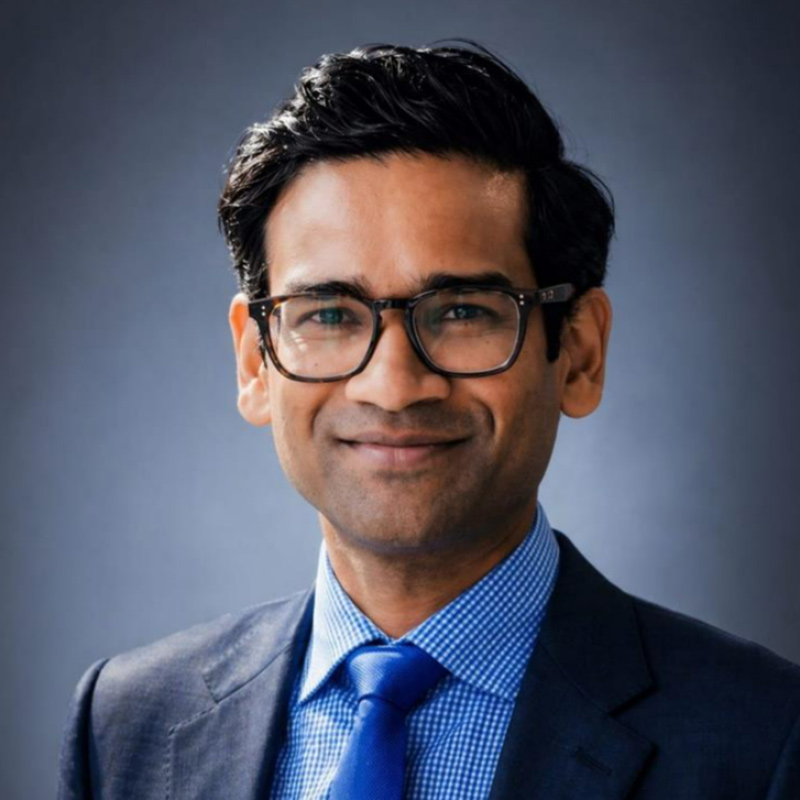
Saharsh Davuluri
CEO & Managing Director, Neuland Laboratories

Tammy Cooper
President, Nitto Avecia and
Nitto Avecia Pharma Services

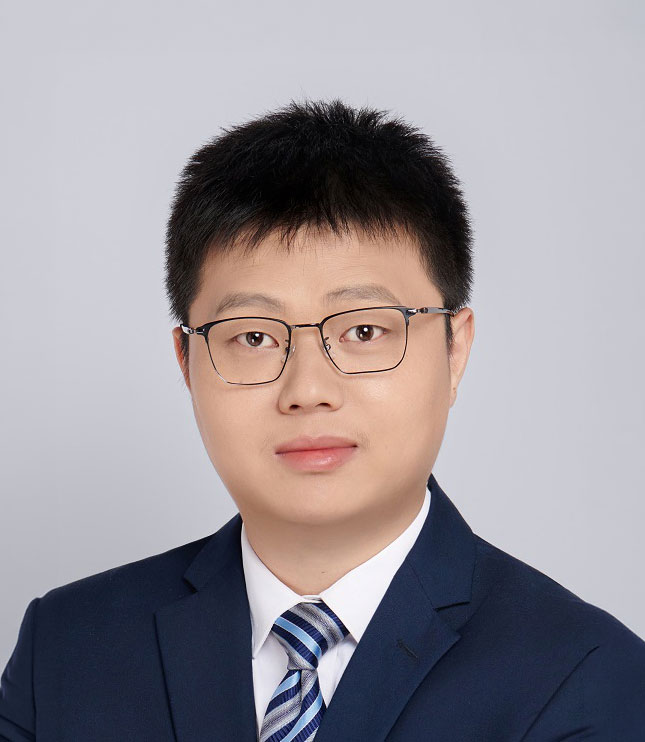

Shaojun Zhu1, Dongxin Zhang2, David Ennis3
1. Director of Sustainability Development, PharmaBlock
2. Executive Director and Head of Business for New Modalities, PharmaBlock
3. Executive Advisor, PharmaBlock

Peter DeYoung
CEO, Piramal Global Pharma

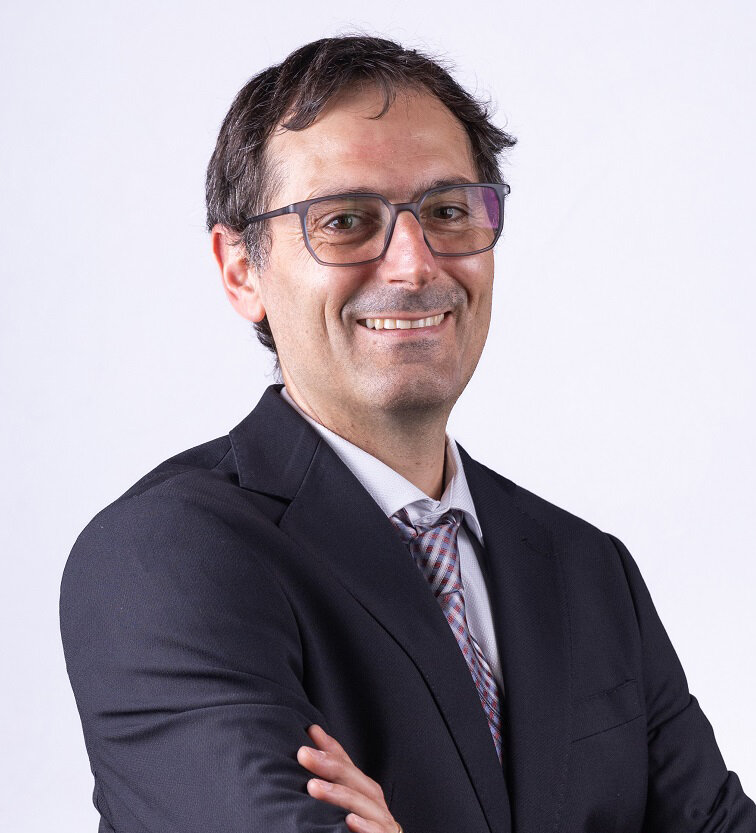
Sonia Rasi1, Michele Tappa2
1. Financial Director & Chief Sustainability Officer, Procos
2. ESG Manager, Procos
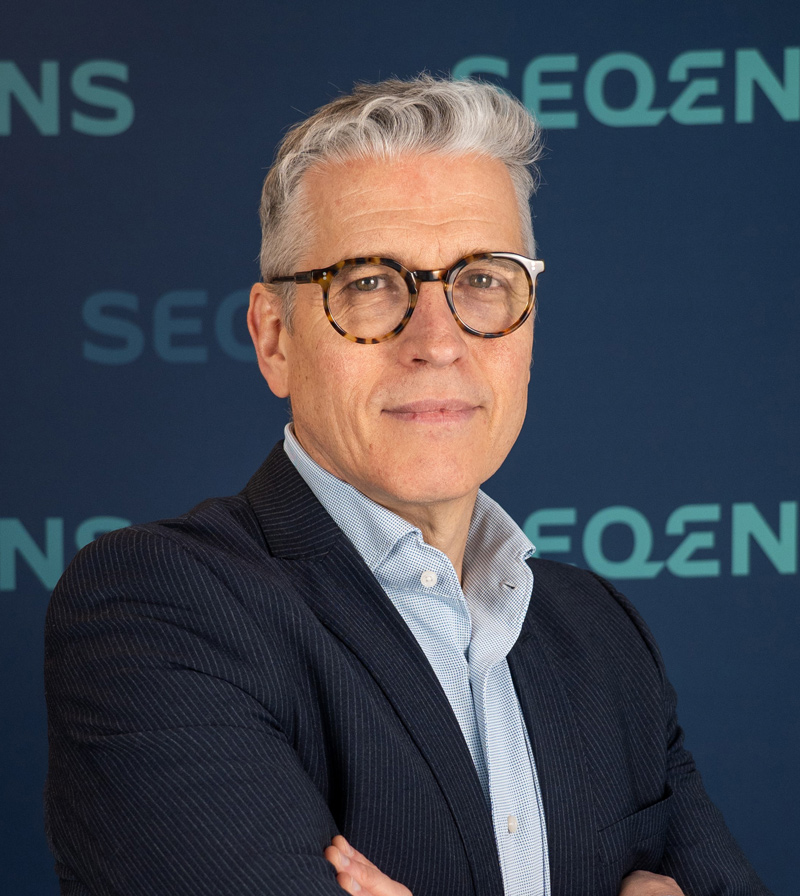
Pascal Villemagne
CEO, Seqens

Darryl Ratty
Executive Director, Global ESG, SK pharmteco


Natalia Agüeros1, Ralf Karch2
1. Sr. Director, ESG & Sustainability, Umicore
2. Director BU Research & Development at PMC, Umicore

Dani Reguant
Supply Chain Director, Uquifa Group
References and notes
- Howes, M.J.R., Simmonds, M.S.J. and Kite, G.C. (2004) 'Evaluation of the quality of sandalwood essential oils by gas chromatography–mass spectrometry', Journal of Chromatography A, 1028(2), pp. 307-312. doi: 10.1016/j.chroma.2003.11.093.
- RTI Health, Social, and Economics Research (2002) 'The Economic Impacts of Inadequate Infrastructure for Software Testing', Report prepared for the National Institute of Standards and Technology (NIST), Gaithersburg, MD.