
Panel discussion on...
ESG & Strategic Partnerships in Pharma Supply Chain


Peter DeYoung
CEO, Piramal Global Pharma


From Compliance to Catalyst: How Sustainability is Re-engineering the Pharma Supply Chain
Climate-related disruption is increasingly visible in operating environments, from heat stress and water availability to weather-related supply-chain interruptions. For much of the last decade, Sustainability in pharma supply chains was treated largely as a disclosure exercise. That era has ended.
As pharmaceutical professionals, we have a responsibility to reduce avoidable environmental impact while continuing to protect quality, reliability and patient supply. The questions clients, investors and regulators now ask are sharper: How deeply into your supply chain can you see? How resilient is it when geopolitics shift overnight? How much carbon did reduce across the product lifecycle, process design, or manufacturing pathway?
These are no longer compliance questions; they are business questions reshaping how CDMOs and the industry as a whole think about partnerships, technology and capital allocation.
The thesis is straightforward: Sustainability, done well, is no longer a tax on the supply chain. Recent geopolitical disruptions have reinforced that prior investments in sustainability, resilience, and operational discipline can help protect business stability. It is becoming the operating system of a more resilient, agile and future-ready one.
Procurement: The Missing Sustainability Lever
Procurement sits at the center of any meaningful sustainability agenda. For a manufacturing-led industry like pharma, environmental and social impact extends well beyond the four walls of the plant. It sits upstream, in the materials, services and capital we buy. Every solvent, API, excipient and packaging component carries an embedded footprint of carbon, water, labor and governance. Without procurement, sustainability cannot scale; with it, sustainability becomes systemic.
The realization is simple but powerful: a supplier's Scope 1 and 2 emissions are the buyer's Scope 3. Supply chain is not a subset of sustainability; it is one of its largest determinants.
This challenge is sharper for CDMOs. Supplier bases are unusually diverse, ranging from large multinational manufacturers to a long tail of MSMEs and developing suppliers still building their sustainability capabilities. Driving Sustainability outcomes across such a base cannot be done through compliance alone, it requires a partnership philosophy in which suppliers are engaged through capability-building and supported in advancing sustainability practices over time. A procurement checkbox produces forms; a partnership protocol produces outcomes. At Piramal Pharma, our experience has reinforced that supplier engagement, capability-building and structured collaboration often deliver more sustainable outcomes than compliance-driven approaches alone.
Building Resilient Supply Chains
For too long, supply chain and sustainability ran as parallel agendas. That separation no longer holds. Frameworks such as PSCI, CDP, DJSI and EcoVadis have given the industry common standards, shared assessments and a credible vocabulary for supplier engagement making it possible to treat the supplier not as a compliance counterparty but as a partner of progress. At Piramal, we've seen that these frameworks create a common language for engaging suppliers, making Sustainability conversations more structured, measurable and scalable across diverse supplier ecosystems. Accordingly, the supplier qualification frameworks have evolved to layer quality, delivery & financial health alongside climate exposure, social risk & governance signals on intelligent digital platforms.
Simultaneously, supplier ecosystems are being integrated through e-sourcing, scorecards and real-time visibility, complemented by recognised third-party assessment platforms. Looking ahead, AI-enabled emissions mapping holds significant promise to lift Scope 3 calculation from spend-based estimates toward primary-data accuracy. The next horizon is predictive Sustainability risk: machine-learning signals layered onto supplier qualification, so that risk is anticipated, not autopsied.
Underpinning all of this is a maturing standard for credibility: disclosures must be data-backed and audit-defensible at the point of release. Traceability designed in upstream, at contracting and onboarding, becomes one of the most powerful enablers of credible disclosure.
The Next Phase of Decarbonization
The largest lever in pharma sustainability is in the way the industry designs, manufactures and manages its processes. For CDMOs, Scope 3 - and within it, purchased goods and services -- can represent a substantial share of the overall footprint.
The themes are increasingly consistent across leading players: systematic improvement in material efficiency through process optimization; collaboration with suppliers; uncompromising compliance & quality frameworks & agile customer service. Science-based targets are emerging as an important mechanism for translating climate ambition into measurable action. Platforms such as Pharmaceutical Supply Chain Initiative (PSCI), Confederation of Indian Industry (CII), Federation of Indian Chambers of Commerce & Industry (FICCI), Indian Chemical Council (ICC), Indian Pharmaceutical Association (IPA), Innovative Pharmaceutical Services Organization (IPSO), and Pharma & Biopharma Outsourcing Association (PBOA) are vital in aligning approaches, because progress at scale depends on convergence across the ecosystem.
Geopolitics, Resilience and Trust
Over the last decade, geopolitical volatility has evolved as a permanent reality. Trade conflicts, sanctions regimes and shifting industrial policies all reshape sourcing options and can pull Sustainability commitments into tension with business continuity obligations.
Alongside onshoring and nearshoring, companies are increasingly designing geographically diversified, qualified and resilient supply networks that balance continuity of supply, regulatory confidence and operational flexibility.
In a volatile world, resilient global supply chains are built on consistent standards that remain stable even as regional regulations and geopolitical conditions evolve. Grounded in the ILO Conventions and the UN Global Compact, a robust supplier code of conduct provides a consistent standard for human rights, labor, environmental responsibility, and ethics, regardless of how regional regulations evolve.
Looking to 2030: From Baselining to Execution
While the last decade was about commitment and baselining, the next one will be about demonstrating outcomes and credibility. By 2030, Sustainability leadership in pharma supply chains will be defined less by commitments made and more by results delivered and verified.
Three capabilities will separate leaders from laggards:
- Measurable, LCA-backed Scope 3 reduction primary-data backed and third-party assured, with life-cycle assessment becoming the maturity standard for credible product-level claims.
- Integrated digital supply chains where Sustainability, quality and resilience data sit in one architecture. Equally important, leading players will need to mentor and hand-hold smaller suppliers that may need additional support so the digital backbone reaches the long tail, not just the top tier.
- Deep supplier partnerships moving beyond compliance to joint improvement on decarbonization, circularity and capability-building.
While many firms today are at the disclosure stage, the opportunity lies in execution at scale across multiple tiers.
Patient at the Core of the Supply Chain
Sustainability initiatives are no longer being solely driven by specialist SMEs, but the key principles are embedded in the very core of operating models.
Increasingly, preferred partners are those that combine strong quality, reliability, technical capability and cost competitiveness with credible sustainability frameworks. The realization that sustainability is not a cost drain, but on the contrary a driver of cost effectiveness through better resource efficiency, risk reduction, supply continuity, regulatory readiness, and stakeholder confidence, has never been clearer.
For pharma CDMOs, this is a meaningful elevation of role from a vendor in the value chain to a sustainability accelerator within it. This needs continued investment, sharper collaboration, and the humility to recognize that no single link in the chain can decarbonize an asset on its own; progress requires coordinated action across the full partner network.
Ultimately, every supply chain exists to serve a patient. The trust placed in our industry depends not only on what we manufacture, but on how responsibly we manufacture it. At Piramal Pharma, this patient-centric purpose remains the foundation of how we think about sustainability, not as an obligation, but as a responsibility we owe patients, clients, communities and the planet.
Panelists

Blake Unterreiner
Vice President and Business Unit Leader, Agilent Advanced Therapeutics


Michael Rainey
Director of Supply Chain, Almac Sciences
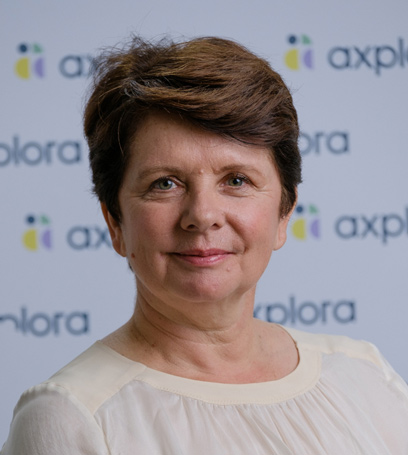
Françoise Durand-Rivoire
Global Head of ESG, Axplora

Hans van Hees
COO of Bachem AG
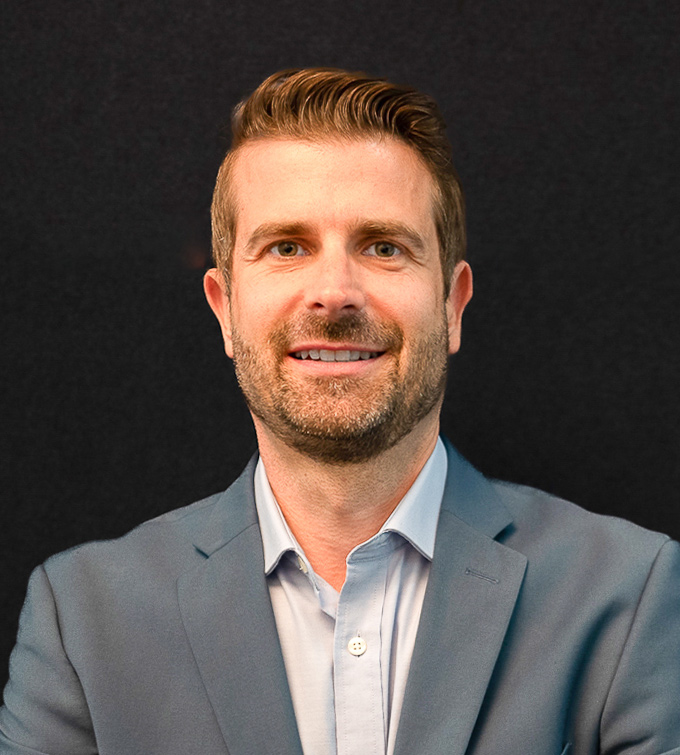
Matthias Müllner
CEO and co-founder of bespark*bio

Kerstin Stangier
Head of Corporate Development, Governance & Sustainability, BioSpring

Yann Dherve
Chief Executive Officer - CDMO, Cohance Lifesciences

Roger La Force
Managing Director, Dorra Pharma Group

Joanne Flinn
Chair, The ESG Institute


Xavier Touche1, Alain Goasguen2
1. Global Head of Supply Chain at Euroapi
2. Head of Environment & Energy at Euroapi

Anne Lise Kopp
Corporate ESG & Transformation Leader, Flamma Group

Robert Dream
Managing Director, HDR COMPANY LLC

Nathalie Huther
Chief Commercial Officer, HFR

Justin Mason-Home, FRSC
Owner/Director, HPAPI Project Services Limited

Patrizia Fazio
Head of applied research coordination, Imprima

Laura Monti
Responsible Sourcing - Purchasing department, Indena

Stanislav Kazanov
Head of GRC, Cybersecurity & Sustainability, Innowise

Sonja Merkas
Founder and CEO, Livinovea

Verena Buback
Head of Sustainability Strategy, Merck Procurement

Dirk Kirschneck
Strategic Director,
Microinnova Engineering GmbH
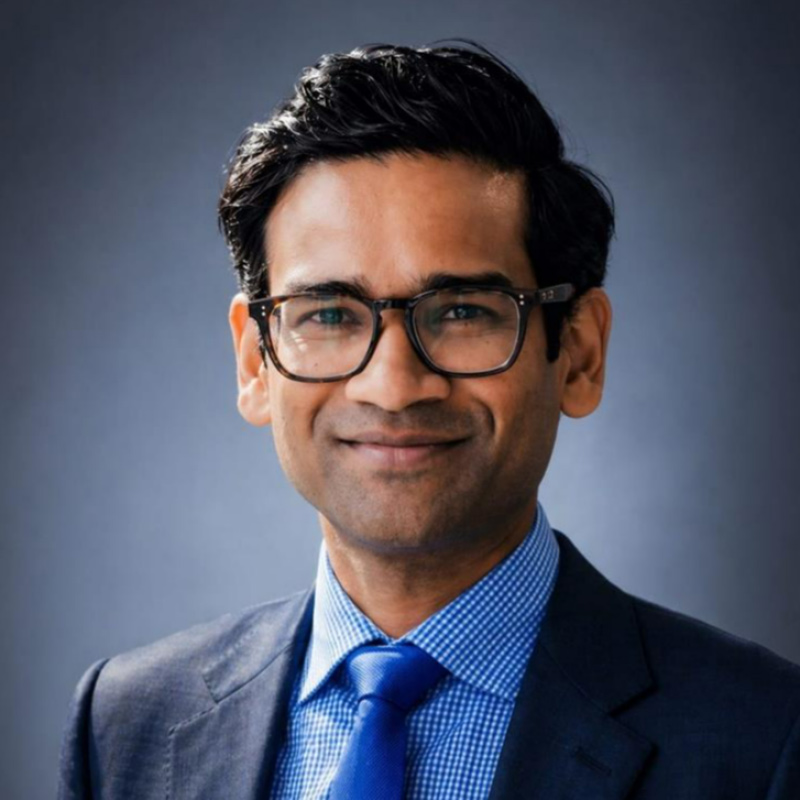
Saharsh Davuluri
CEO & Managing Director, Neuland Laboratories
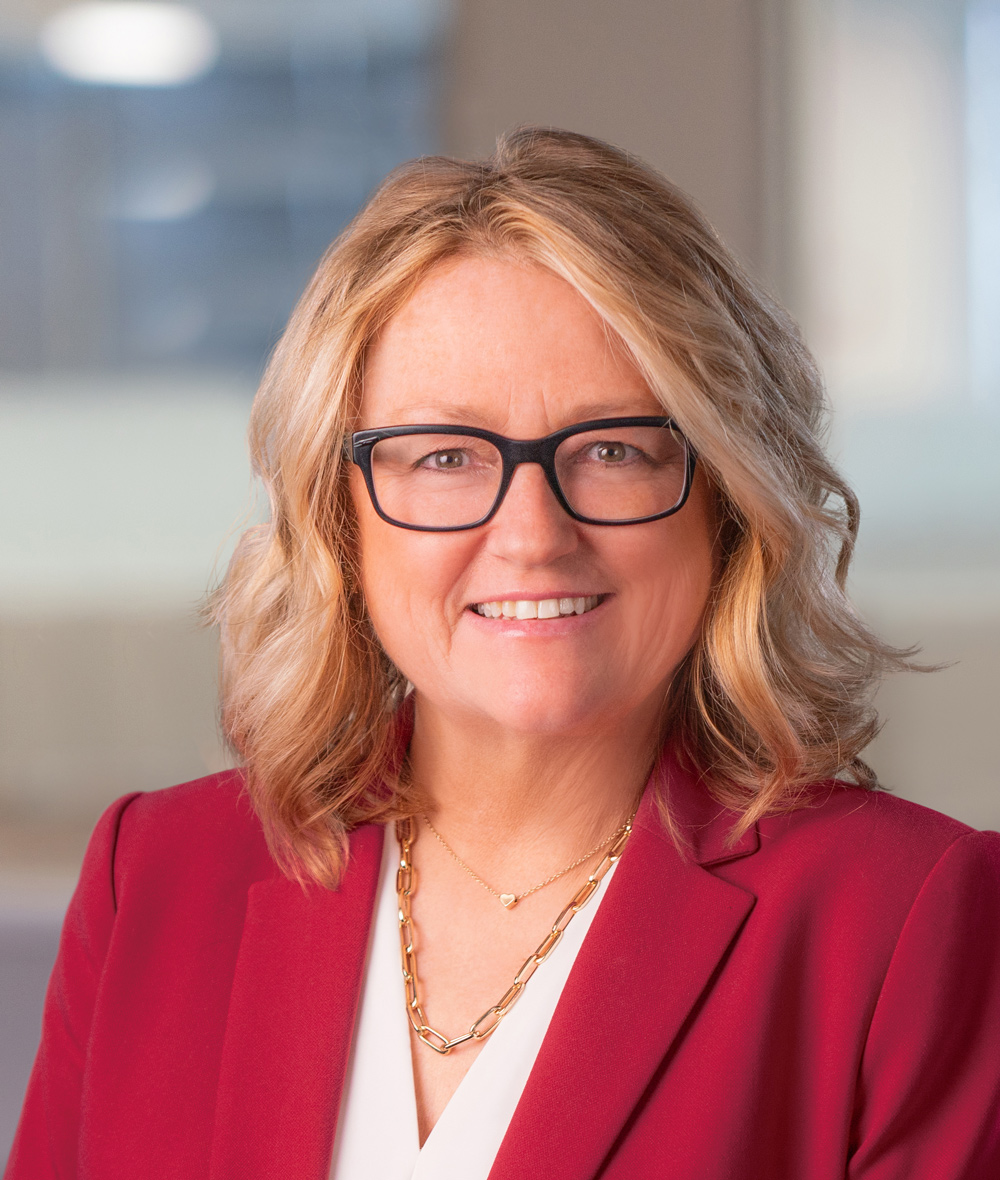
Tammy Cooper
President, Nitto Avecia and
Nitto Avecia Pharma Services



Shaojun Zhu1, Dongxin Zhang2, David Ennis3
1. Director of Sustainability Development, PharmaBlock
2. Executive Director and Head of Business for New Modalities, PharmaBlock
3. Executive Advisor, PharmaBlock
Peter DeYoung
CEO, Piramal Global Pharma

Sonia Rasi1, Michele Tappa2
1. Financial Director & Chief Sustainability Officer, Procos
2. ESG Manager, Procos
Pascal Villemagne
CEO, Seqens
Darryl Ratty
Executive Director, Global ESG, SK pharmteco


Natalia Agüeros1, Ralf Karch2
1. Sr. Director, ESG & Sustainability, Umicore
2. Director BU Research & Development at PMC, Umicore

Dani Reguant
Supply Chain Director, Uquifa Group