
Panel discussion on...
ESG & Strategic Partnerships in Pharma Supply Chain


Natalia Agüeros
Sr. Director, ESG & Sustainability, Umicore

Ralf Karch
Director BU Research & Development at PMC, Umicore


From Better Chemistry to Better Supply Chains: Driving ESG Through Catalysis, Traceability and Circularity
Introduction
ESG expectations in pharmaceutical supply chains now extend beyond reporting. Customers, regulators, and investors want to understand where materials come from, how supply-chain risks are managed, how environmental impacts are reduced, and how materials are recovered and reused.
Our perspective is shaped by the work we do in precious metal chemistry. We develop catalyst technologies, chemicals, and compounds used in pharmaceutical and fine chemical manufacturing, while operating within complex global supply chains for precious metals and other critical materials. In that environment, catalyst performance, responsible sourcing, security of supply, process efficiency, material recovery, and product quality are closely connected.
Better chemistry starts upstream
Sustainability often enters the discussion through reporting, audits, or supplier assessments. In chemical manufacturing, some of the largest improvements occur much earlier: during process design.
Catalyst selection can have a direct effect on yield, selectivity, solvent use, energy consumption, waste generation, and overall process efficiency. In pharmaceutical manufacturing, catalysts are typically used in only one or a few steps of a multi-step synthesis route and often at relatively low loadings. While precious-metal-containing catalysts may have a comparatively high carbon footprint per kilogram of catalyst due to the precious metal contained, their contribution to the overall product footprint can remain relatively limited when viewed within the context of the full manufacturing process – specifically when high TON can be achieved. In many cases, other process inputs - particularly solvents - may represent a significantly larger share of the overall environmental footprint.
More selective catalyst systems can reduce by-products. Higher yields can reduce raw material demand. Fewer process steps can lower resource consumption while increasing manufacturing efficiency.
This is one of the reasons catalysis has such a strong role in sustainable manufacturing. Better chemistry can reduce environmental impact while maintaining the consistency, quality, and reliability that pharmaceutical production requires.
Innovation in this area depends on collaboration. Pharmaceutical companies, CDMOs, catalyst suppliers, technology providers, and regulators each contribute to the development and adoption of more efficient manufacturing processes.
Responsible materials require traceability
For companies working with precious metals and other critical materials, material origin, supply security, and product performance are now part of the same discussion.
Customers expect clearer information on where materials originate, how they move through the value chain, how environmental and social risks are managed, and how supply-chain information can be verified.
Strategic partnerships depend on transparent data and clear accountability. Companies need visibility beyond tier-one suppliers, a clearer view of material flows, stronger due-diligence processes, and data that supports informed sourcing decisions.
Digital traceability systems, supplier mapping, due-diligence platforms, and analytics help connect sourcing information with operational data across multiple tiers of the value chain.
As regulatory and customer expectations continue to evolve, demand for greater transparency regarding materials, sourcing practices, and environmental impacts is increasing. However, the level of granularity that can reasonably be provided varies across industries, products, and supply chains. For specialty catalyst manufacturers serving multiple customers across numerous products and production sites, environmental footprint calculations and sourcing information are often based on robust methodologies and representative datasets rather than fully product-specific material tracing.
The objective is therefore not always product-level traceability in the strictest sense, but reliable, transparent, and auditable information that supports responsible sourcing decisions, sustainability reporting, and supply-chain risk management. Greater transparency will require better data from more participants in the value chain.
Circularity starts with design
Our experience with precious metals has reinforced a simple point: materials do not have to follow a linear path from extraction to use and disposal.
In catalyst value chains, precious metals retain significant value long after a catalyst has reached the end of its useful life in a particular application. Recovery, refining, and reuse can reduce dependence on virgin materials while supporting security of supply. However, in pharmaceutical or fine-chemical manufacturing, catalyst recovery is not always implemented. Economic considerations, process complexity, validation requirements, and separation costs can lead to catalysts being disposed of rather than recycled. While this may be justified from a purely operational or cost perspective, it also highlights an opportunity to further improve material circularity and resource efficiency across the value chain.
This affects supply-chain design. Circularity cannot be treated as a downstream activity. Decisions about traceability, material accountability, recovery pathways, and customer collaboration often need to be considered from the beginning.
For companies working with precious metals, circularity, responsible sourcing, and traceability are closely connected. Customers increasingly want to understand not only how a product performs, but also how materials are managed throughout their lifecycle.
Circular approaches bring their own technical and regulatory challenges. Catalyst recovery, solvent recovery, material reuse, and sustainable packaging solutions must operate within strict quality and regulatory requirements. Product quality and patient safety set the boundary conditions.
Resilience depends on understanding the supply chain
Supply-chain resilience and ESG are often discussed as separate topics. In practice, they involve many of the same questions.
Climate events, geopolitical tensions, sanctions, export controls, resource constraints, and governance failures can affect access to materials and continuity of supply. Companies therefore need a more complete understanding of their supply chains and a clearer view of where vulnerabilities exist.
Supplier mapping, due diligence, scenario analysis, diversification strategies, inventory planning, and business continuity measures form part of a single risk-management approach.
International collaboration depends on the same information. Pharmaceutical supply chains span countries, regions, technologies, and manufacturing partners. Strong relationships and transparent data help organizations respond more effectively when disruptions occur.
Resilience depends on knowing where materials originate, how they move through the value chain, and where dependencies may become constraints.
Looking ahead
Over the next few years, sustainability performance in pharmaceutical supply chains will depend less on reporting alone and more on the systems and data behind it.
Companies will need to connect sourcing information, material flows, manufacturing performance, environmental data, and recovery pathways across complex value chains. Transparency on materials, sourcing practices, circularity, and resilience will become more closely linked, although the availability of product-specific information will vary depending on the complexity and structure of individual supply chains. For companies working in catalysis and precious metal chemistry, these are familiar challenges. What is changing is the level of detail expected by customers, regulators, and investors.
For pharmaceutical supply chains, the practical ESG agenda is therefore clear:ESGdepend on better chemistry, responsible management of critical materials, more transparent supply chains, and systems that keep valuable resources in use for longer.
Panelists

Blake Unterreiner
Vice President and Business Unit Leader, Agilent Advanced Therapeutics


Michael Rainey
Director of Supply Chain, Almac Sciences

Françoise Durand-Rivoire
Global Head of ESG, Axplora

Hans van Hees
COO of Bachem AG

Matthias Müllner
CEO and co-founder of bespark*bio

Kerstin Stangier
Head of Corporate Development, Governance & Sustainability, BioSpring

Yann Dherve
Chief Executive Officer - CDMO, Cohance Lifesciences

Roger La Force
Managing Director, Dorra Pharma Group

Joanne Flinn
Chair, The ESG Institute


Xavier Touche1, Alain Goasguen2
1. Global Head of Supply Chain at Euroapi
2. Head of Environment & Energy at Euroapi

Anne Lise Kopp
Corporate ESG & Transformation Leader, Flamma Group

Robert Dream
Managing Director, HDR COMPANY LLC
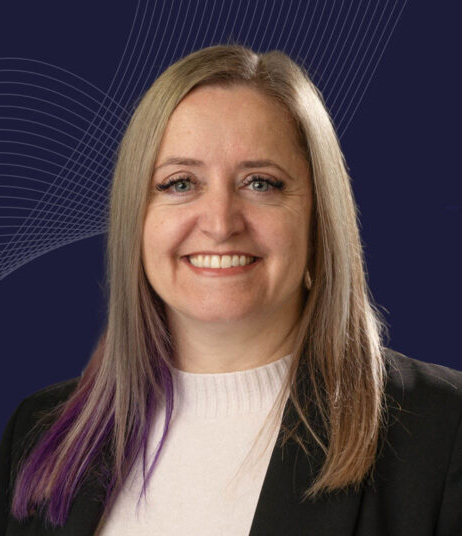
Nathalie Huther
Chief Commercial Officer, HFR

Justin Mason-Home, FRSC
Owner/Director, HPAPI Project Services Limited

Patrizia Fazio
Head of applied research coordination, Imprima

Laura Monti
Responsible Sourcing - Purchasing department, Indena

Stanislav Kazanov
Head of GRC, Cybersecurity & Sustainability, Innowise

Sonja Merkas
Founder and CEO, Livinovea

Verena Buback
Head of Sustainability Strategy, Merck Procurement

Dirk Kirschneck
Strategic Director,
Microinnova Engineering GmbH

Saharsh Davuluri
CEO & Managing Director, Neuland Laboratories

Tammy Cooper
President, Nitto Avecia and
Nitto Avecia Pharma Services

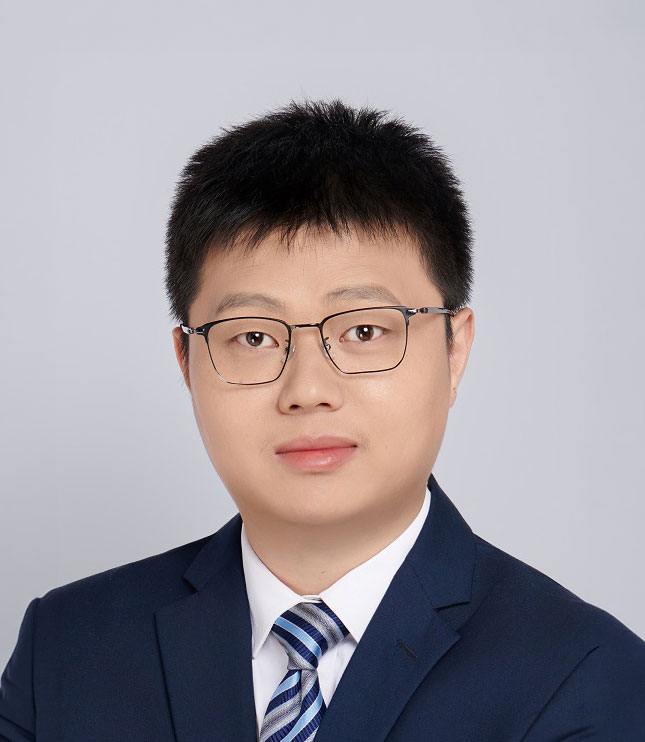

Shaojun Zhu1, Dongxin Zhang2, David Ennis3
1. Director of Sustainability Development, PharmaBlock
2. Executive Director and Head of Business for New Modalities, PharmaBlock
3. Executive Advisor, PharmaBlock

Peter DeYoung
CEO, Piramal Global Pharma

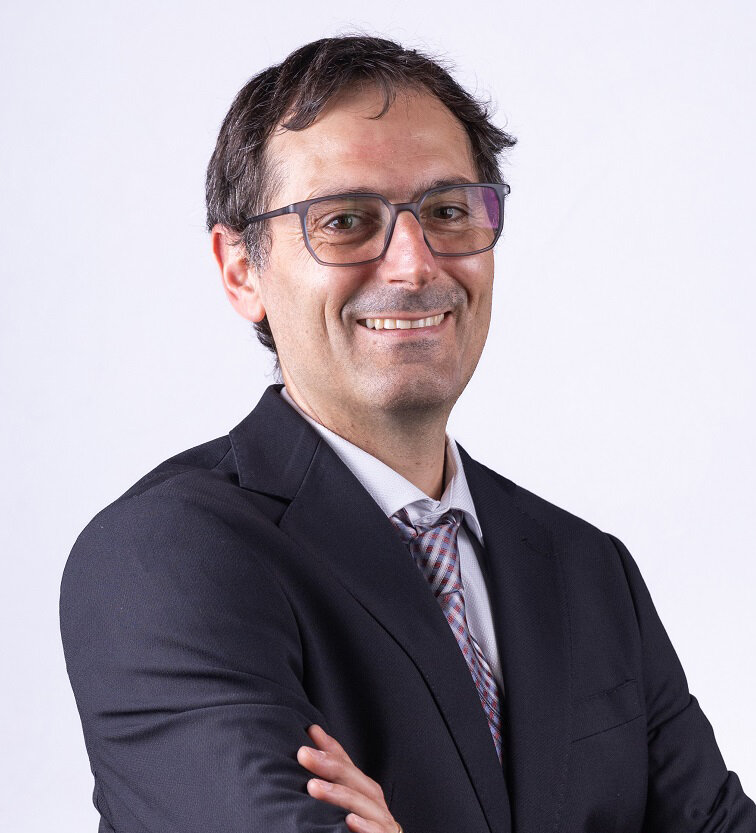
Sonia Rasi1, Michele Tappa2
1. Financial Director & Chief Sustainability Officer, Procos
2. ESG Manager, Procos
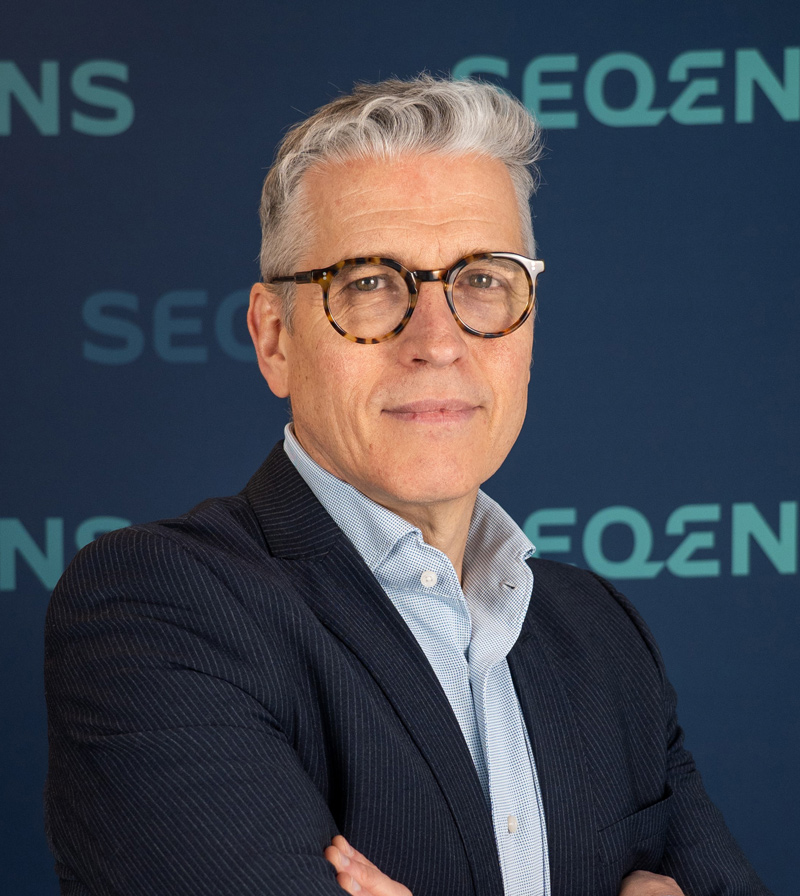
Pascal Villemagne
CEO, Seqens

Darryl Ratty
Executive Director, Global ESG, SK pharmteco
Natalia Agüeros1, Ralf Karch2
1. Sr. Director, ESG & Sustainability, Umicore
2. Director BU Research & Development at PMC, Umicore

Dani Reguant
Supply Chain Director, Uquifa Group