PEER REVIEWED
Fertility and Reproductive Health
Cellular Health Powering Fertility: Mitochondria as a Key Therapeutic Target

Dr. Emma Derbyshire
Independent consultant for Kaneka Nutrients Europe, United Kingdom
About the Author
Emma Derbyshire
Dr Emma Derbyshire is an internationally recognised nutrition scientist, academic author and expert consultant specialising in nutrition science, communication and evidence synthesis across life stages, including reproductive health. She is the Founder and CEO of Nutritional Insight Ltd, a scientific consultancy delivering evidence-based expertise to governments, food and healthcare organisations, publishers and global media. A prolific academic author of more than 200 peer-reviewed publications, with widely cited work featured in both scientific and mainstream media. Dr Derbyshire translates complex science into accessible insights, cementing her reputation as a leading voice in contemporary nutritional science.

KEYWORDS
Reproductive Health
Fertility
Mitochondrial Health
Oxidative Stress
Ubiquinol
Healthy Ageing
Abstract
Reproductive health reflects the interplay between hormonal regulation, mitochondrial energy production, oxidative balance and cellular integrity. With infertility affecting approximately one in six adults globally and parental age continuing to rise, age-related mitochondrial dysfunction and oxidative stress are increasingly recognised as key contributors to declining oocyte and sperm quality. Mitochondria, specialised organelles that generate cellular energy and help regulate redox balance, are emerging as a central target in reproductive ingredient science. This article examines the role of mitochondria in reproductive health and highlights how Ubiquinol, the reduced form of coenzyme Q10 (CoQ10), supports mitochondrial function and cellular health through its contribution to mitochondrial energy production and antioxidant defence, positioning it as a clinically relevant ingredient in reproductive formulation.
Introduction: Reproductive Health as a Complex Landscape for Ingredient Science
Fertility is influenced by multiple factors and biological systems, creating both opportunity and complexity for ingredient science. Infertility is common, with the World Health Organization (WHO) estimating that approximately 17.5% of adults, or around 1 in 6 people worldwide,experience infertility during their lifetime (1).
Delayed parenthood has intensified focus on reproductive ageing. In the EU, the average age of women at childbirth rose from 29 years in 2001 to 31.3 years in 2024 (2), while in the Netherlands the mean age of fathers increased from 33.6 years to 34.4 years over the same period (3). Ageing is associated with increased oxidative stress, mitochondrial dysfunction, and reduced oocyte and sperm quality, which is significant because reproductive capacity depends not only upon hormonal regulation but also on cellular energy supply, redox balance and the integrity of oocytes and sperm (4).
Reproductive concerns affect males and females equally, with oxidative stress recognised as a key contributing factor to impaired oocyte and sperm quality that is exacerbated by lifestyle factors such as smoking, obesity, excessive alcohol intake and exposure to environmental toxins (4,5,6,7).
Mitochondrial function, cellular energy production and oxidative stress have emerged as areas of interest in reproductive health research. Evidence linking oxidative stress and mitochondrial dysfunction to poor gamete quality and declining reproductive outcomes positions mitochondria as a central therapeutic target in ingredient science (4,6,7,8). Underpinning male and female reproductive health are cellular bioenergetics, the biological processes by which cells transform energy, primarily through the generation, storage and utilisation of adenosine triphosphate (ATP), the body’s energy currency (7,9,10). Ubiquinol is involved in mitochondrial ATP production and redox homeostasis, two factors increasingly recognised as important to reproductive cell quality (4).
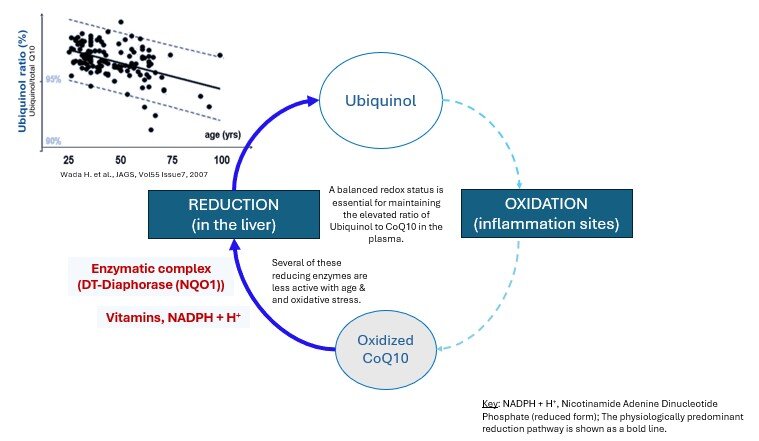
Figure 1. Major pathways involved in Ubiquinol metabolism (4).
Source: Derbyshire EJ, et al. Ubiquinol in fertility and reproduction: A conditionally essential nutrient for critical early-life stages. Nutrients. 2026;18(1):156.
Mitochondrial Bioenergetics at the Core of Reproductive Physiology
Oocyte and sperm quality, as well as overall reproductive outcomes, are fundamentally dependent on mitochondrial health and function (7,8,11,12,13). Mitochondria generate energy as adenosine triphosphate (ATP) which is essential for cellular function. They also help regulate oxidative balance, cellular signalling, inflammation, immunity, hormone synthesis, apoptosis and iron and calcium homeostasis (4,6,7,8).
The processes of oocyte and sperm development, fertilisation and early embryogenesis are highly energy dependent (4,8). Oocyte maturation requires substantial ATP availability for extensive RNA transcription, meiotic spindle formation, calcium regulation, cellular signalling and translation (6,8). This is reflected in the large number of mitochondria present in the mature oocyte (>100,000), far exceeding the ~1,000–2,500 typically found in somatic cells (4 ,8,14).
Although sperm contain fewer mitochondria, ATP production is essential for effective motility. Sperm exhibit a high concentration of mitochondria within their midpiece, as well as in the head and tail, supporting motility as well as helping protect DNA in the sperm head from damage (4,8).
The process of ATP energy production through the mitochondrial electron transport chain also generates reactive oxygen species (ROS). While physiological levels are necessary for reproductive processes, excessive ROS relative to antioxidant capacity results in oxidative stress (6,8). Excessive ROS damage mitochondrial DNA (mtDNA), proteins, lipids and cellular structures affecting oocyte and sperm quality, fertilisation, implantation and embryo development (6,7,13,15,16).
Mitochondrial bioenergetics and redox balance are therefore fundamental to reproductive competence underpinning sperm motility, oocyte maturation and early embryonic development (4,7,8,11).
Mitochondrial Inheritance and Reproductive Health
Mitochondria contain their own DNA, which replicates independently and is fundamental to electron transport chain function and cellular bioenergetics (8,17). Unlike nuclear DNA, mitochondrial DNA (mtDNA) is inherited almost exclusively from the mother. mtDNA mutations can therefore be transmitted to the offspring, highlighting the importance of maternal mitochondrial integrity for systemic health of both mother and child (8,17).
Inherited and acquired mtDNA mutations have been associated with sperm dysfunction and impaired fertility (18,19). Collectively, this evidence underscores the importance of maintaining mitochondrial DNA stability in both males and females to support overall health and reproductive outcomes.
Oxidative Stress, Mitochondrial Dysfunction and Reproductive Ageing
Ageing is a major reproductive risk factor, associated with compromised bioenergetics, antioxidant capacity and increased oxidative stress (4 ,11,13,16,20,21). Advancing age is linked to declining mitochondrial function, reduced oocyte number and quality, and impaired sperm motility, morphology and concentration.
Antioxidant capacity declines with age due to decreased production of antioxidant enzymes and Ubiquinol - the body’s only endogenous lipid-soluble antioxidant - leading to increased risk of oxidative stress (4,7). mtDNA is particularly vulnerable to oxidative stress due to its proximity to the electron transport chain (15). With ageing, mtDNA mutations accumulate, and both mitochondrial number and quality decline (7).
Mitochondrial dysfunction reduces ATP energy production and disrupts redox balance, which accelerates cellular ageing and contributes to impaired sperm and oocyte quality and function, as well as increased apoptosis (7). This may adversely affect fertilisation and embryo development.
Male reproductive ageing
Advancing age is associated with declining sperm quality, motility, count, normal morphology and increased sperm DNA fragmentation (21,22,23). Oxidative stress is reportedly a factor in 30-80% of infertile men (6,15). Sperm are highly susceptible to ROS-induced lipid peroxidation and damage due to the high proportion of polyunsaturated fatty acids in their cell membranes (15). Oxidative stress is associated with DNA damage and reduced motility, concentration and normal morphology (6). Male infertility, is strongly linked to mitochondrial dysfunction, reduced endogenous CoQ10 levels and oxidative stress that impair sperm quality (24).
Female reproductive ageing
Declining fertility in ageing women is linked to decreased quality and quantity of oocytes (7). Reduced mitochondrial number, quality, mtDNA copy number and accumulated mtDNA mutations have been demonstrated in ageing oocytes.
In female reproductive ageing, oxidative damage and mitochondrial dysfunction in oocytes have been found, including evidence of oxidative damage detectable even at early follicle stages in older individuals (4,7,16).
Ubiquinol: A Conditionally Essential Nutrient for Reproductive Health
Ubiquinol is the more bioactive form of coenzyme Q10 (CoQ10), accounting for ~96% of the total plasma CoQ10 pool (25,26,27). It is a central component of the electron transport chain for mitochondrial energy production as well as helping regulate mitochondrial biogenesis (formation) and mitophagy (degradation) (4,28). As a lipid-soluble antioxidant, Ubiquinol helps protect cellular membranes, lipids, proteins and mitochondrial DNA from oxidative damage (29).
Age, Diet and Physiological Demand
Plasma Ubiquinol declines with advancing age, plant based dietary patterns, certain medication use, and chronic health conditions (4,28). Although small amounts can be obtained from food, mainly animal derived sources such as organ meats, fish, eggs, and dairy, the primary source is endogenous production. During physiologically demanding stages, endogenous synthesis and dietary intake may not meet increased requirements and Ubiquinol may be considered a conditionally essential nutrient. Periods of heightened energetic demand and oxidative stress, including the reproductive years, advanced parental age, pregnancy, and neonatal development, underscore the biological importance of Ubiquinol for reproductive function (4).
Ubiquinol’s Role in Male Reproductive Function
In sperm, Ubiquinol is concentrated in the head, midpiece, and tail, where it supports motility, morphology, and DNA integrity (5). Lower seminal Ubiquinol levels, elevated reactive oxygen species (ROS) and reduced mitochondrial bioenergetics are associated with sperm abnormalities (5,15,24,30).
Multiple controlled clinical studies have demonstrated improvements in seminal antioxidant capacity, as well as sperm motility, morphology, concentration, and DNA fragmentation, with Ubiquinol supplementation at doses ranging from 150 mg to 300 mg per day for three to six months (31,32,33,34,35,36,37).
Ubiquinol’s Role in Female Reproductive Function
In oocytes, Ubiquinol is highly concentrated due to the substantial mitochondrial density and energy required for oocyte maturation, fertilisation and embryonic development (4,38). Ubiquinol supports bioenergetic capacity which aligns with the dramatic increase in mitochondrial number, reflected by rising mtDNA copy number, during oocyte maturation (39,14). It also helps protect against oxidative damage during these energy-intensive processes (4,38).
Higher Ubiquinol levels in follicular fluid correlate with increased oocyte quality in women undergoing assisted reproductive technology (ART) (40,41,42).Clinical studies have shown CoQ10 supplementation, including Ubiquinol, increased the number of oocytes retrieved and high-quality embryos in women undergoing ART (38, 43 ). Mechanistically, Ubiquinol may help mitigate postovulatory oocyte ageing and reduce ferroptosis - an iron-dependent, ROS-driven cell death linked to impaired oocyte and embryo quality (44,45).
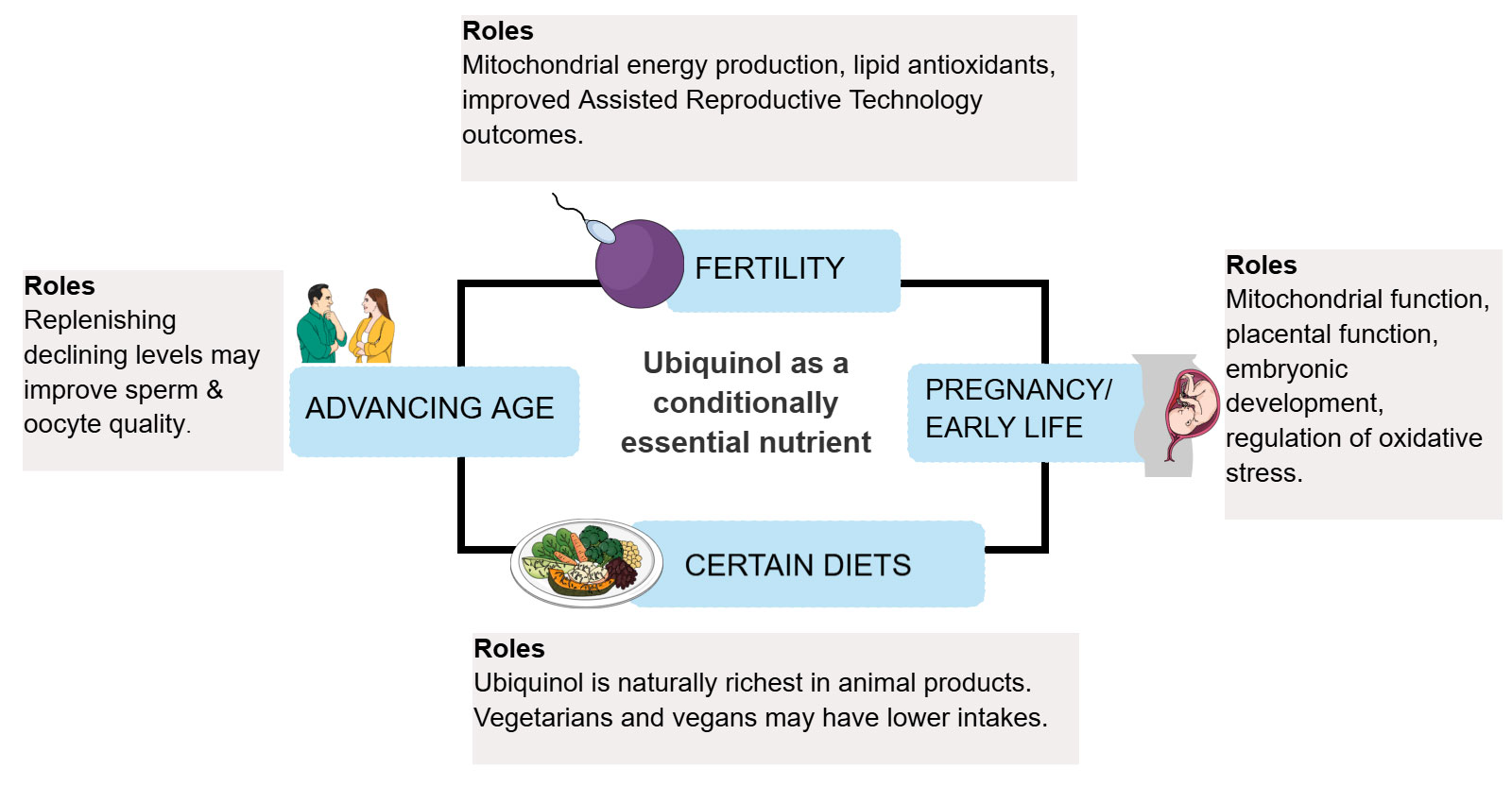
Figure 2. Ubiquinol as an essential nutrient for reproduction: roles and research needs (4).
Source: Derbyshire EJ, et al. Ubiquinol in fertility and reproduction: A conditionally essential nutrient for critical early-life stages. Nutrients. 2026;18(1):156.
Mechanism-Led Ingredient Thinking: Implications for Fertility Formulation
Considering emerging mitochondrial research across multiple aspects of health, including fertility, there has been a shift from broad nutritional and antioxidant strategies toward more targeted cellular support. From a mechanistic perspective, Ubiquinol’s dual roles in cellular bioenergetics and antioxidant defence underpin its consistent inclusion in reproductive research frameworks focused on mitochondrial performance and oxidative stress sensitivity in gametes.
Form and Bioavailability
Ubiquinol is the reduced and more bioactive form of CoQ10, compared to the oxidised form, ubiquinone (4). While both participate in mitochondrial energy production, only Ubiquinol functions as a lipid-soluble antioxidant (28,46). Although ubiquinone can be converted to Ubiquinol in the body, this enzymatic conversion may decline with age and chronic health conditions (47,48,49,50). Human crossover trials have demonstrated greater bioavailability of Ubiquinol compared with ubiquinone when formulation variables are controlled (51,52).
Conclusion: Extended Reproductive Timelines and Targeted Nutrition
Reproductive ageing presents a growing challenge, with mitochondrial dysfunction and oxidative stress increasingly recognised as key drivers of declining gamete quality. As parental age increases, mitochondrial function, redox balance, and genomic stability become increasingly important, particularly in the context of ovarian ageing and sperm integrity. Mitochondria, as the primary site of cellular energy production and redox regulation, represent a meaningful therapeutic target in reproductive ingredient science.
Ubiquinol, the reduced, more bioactive form of CoQ10, has established roles in mitochondrial ATP production and lipid-soluble antioxidant defence, two mechanisms linked to age-related changes in oocyte and sperm quality. As parental age continues to rise globally, ingredients that support cellular health and mitochondrial function offer a scientifically grounded approach to reproductive formulation. Growing clinical evidence continues to advance the understanding of Ubiquinol's role in reproductive health in both men and women.
Disclosure statement: Dr Emma Derbyshire acts as an independent consultant for Kaneka Nutrients Europe.

References and notes
- World Health Organization. Infertility. WHO. November 28, 2025. Accessed February 27, 2026. https://www.who.int/news-room/fact-sheets/detail/infertility
- Eurostat. Fertility Indicators. February 23, 2026. Accessed February 27, 2026. https://ec.europa.eu/eurostat/databrowser/view/DEMO_FIND__custom_610472/bookmark/table?lang=en&bookmarkId=ed63bc2a-d09d-43f7-8816-cf84c4ffe952&c=1614247801582
- Statistics Netherlands. 77 Thousand First time Fathers in 2024. Cbs. June 15, 2025. Accessed February 27, 2026. https://www.cbs.nl/en-gb/news/2025/24/77-thousand-first-time-fathers-in-2024
- Derbyshire EJ, et al. Ubiquinol in Fertility and Reproduction: A Conditionally Essential Nutrient for Critical Early-Life Stages. Nutrients. 2026;18(1):156.
- Salvio G, et al. Coenzyme Q10 and Male Infertility: A Systematic Review. Antioxidants (Basel). 2021;10(6):874.
- Wróblewski M, et al. The Role of Selected Elements in Oxidative Stress Protection: Key to Healthy Fertility and Reproduction. Int J Mol Sci. 2024;25(17):9409
- Ju W, et al. Mechanisms of mitochondrial dysfunction in ovarian aging and potential interventions. Front Endocrinol (Lausanne). 2024;15:1361289.
- Yildirim RM & Seli E. Mitochondria as determinants of reproductive senescence and competence: implications for diagnosis of embryo competence in assisted reproduction. Hum Reprod. 2024;39(10):2160-2170.
- Dunn J & Grider MH. Physiology, Adenosine Triphosphate. 2023 Feb 13. In: StatPearls [Internet]. Treasure Island (FL): StatPearls Publishing; 2026 Jan–. PMID: 31985968.
- Abruzzese, GA et al. Sperm Metabolism. Molecular Reproduction and Development, Mol Reprod Dev. 2024;91(10):e23772.
- Vahedi Raad M, et al. The impact of mitochondrial impairments on sperm function and male fertility: a systematic review. Reprod Biol Endocrinol. 2024 Jul;22(1):83.
- Boguenet M, et al. Mitochondria: their role in spermatozoa and in male infertility. Hum Reprod Update. 2021;27(4):697-719.
- Wang T, et al. Mitochondrial dysfunction in oocytes: implications for fertility and ageing. J Ovarian Res. 2025;18(1):186.
- Ellenbogen A, et al. Mitochondria aggregation patterns during human oocyte maturation. Hum Fertil (Camb). 2026;29(1):2635860
- Lahimer M, et al. Micronutrient-Antioxidant Therapy and Male Fertility Improvement During ART Cycles. Nutrients. 2025;17(2):324.
- Smits MAJ, et al. Human ovarian aging is characterized by oxidative damage and mitochondrial dysfunction. Hum Reprod. 2023;38(11):2208-2220.
- Lee W, et al. Molecular basis for maternal inheritance of human mitochondrial DNA. Nat Genet. 2023;55(10):1632-1639.
- Amor H et al. A Systematic Review of the Impact of Mitochondrial Variations on Male Infertility. Genes (Basel). 2022;13(7):1182.
- Vaught RC, et al. Maternal inheritance of mitochondria: implications for male fertility? Reproduction. 2018;155(4):R159-R168.
- Zhang X, et al. The impact of mitochondrial dysfunction on ovarian aging. J Transl Med. 2025;23(1):211.
- Martins da Silva S & Anderson RA. Reproductive axis ageing and fertility in men. Rev Endocr Metab Disord. 2022;23(6):1109-1121.
- Kaltsas A, et al. Impact of Advanced Paternal Age on Fertility and Risks of Genetic Disorders in Offspring. Genes (Basel). 2023;14(2):486.
- Lahimer M, Montjean D, Cabry R, Capelle S, Lefranc E, Bach V, Ajina M, Ben Ali H, Khorsi-Cauet H, Benkhalifa M. Paternal Age Matters: Association with Sperm Criteria's- Spermatozoa DNA Integrity and Methylation Profile. J Clin Med. 2023 Jul 27;12(15)
- Sumbalová Z, et al. Platelet Mitochondrial Function and Endogenous Coenzyme Q10 Levels Could Be Used as Markers of Mitochondrial Health in Infertile Men: A Pilot Study. Int J Mol Sci. 2024;26(1):268.
- Bhagavan HN, et al. Coenzyme Q10: absorption, tissue uptake, metabolism and pharmacokinetics. Free Radic Res 2006;40(5):445-453.
- Hosoe K, et al. Study on safety and bioavailability of ubiquinol (Kaneka QH) after single and 4-week multiple oral administration to healthy volunteers. Regul Toxicol Pharmacol 2007;47:19-28.
- Miles MV, et al. Plasma coenzyme Q10 reference intervals, but not redox status, are affected by gender and race in self-reported healthy adults. Clinica Chimica Acta. 2003;332(1-2):123-132.
- Cirilli I, et al. Role of coenzyme Q10 in health and disease: an update on the last 10 years (2010-2020). Antioxidants (Basel) 2021;10(1325):1-24.
- Ito K, et al. Reduced Coenzyme Q10 Decreases Urinary 8-Oxo-7,8-Dihydro-2'-Deoxyguanosine Concentrations in Healthy Young Female Subjects. J Med Food. 2015;18(8):835-40.
- Nadjarzadeh A, et al. Effect of Coenzyme Q10 supplementation on antioxidant enzymes activity and oxidative stress of seminal plasma: a double-blind randomised clinical trial. Andrologia. 2014;46(2):177-83.
- Alahmar AT, et al. Impact of Coenzyme Q10 and Selenium on Seminal Fluid Parameters and Antioxidant Status in Men with Idiopathic Infertility. Biol Trace Elem Res. 2021;199(4):1246-1252.
- Alahmar AT, et al. Predictors of pregnancy and time to pregnancy in infertile men with idiopathic oligoasthenospermia pre- and post-coenzyme Q10 therapy. Andrologia. 2022;54(5):e14385.
- Alahmar AT. Coenzyme Q10 improves sperm motility and antioxidant status in infertile men with idiopathic oligoasthenospermia. Clin Exp Reprod Med. 2022;49(4):277-284.
- Alahmar AT. The impact of two doses of coenzyme Q10 on semen parameters and antioxidant status in men with idiopathic oligoasthenoteratozoospermia. Clin Exp Reprod Med. 2019;46(3):112-118.
- Thakur AS, et al. Effect of Ubiquinol Therapy on Sperm Parameters and Serum Testosterone Levels in Oligoasthenozoospermic Infertile Men. J Clin Diagn Res. 2015;9(9):BC01-3
- Cakiroglu B, et al. Ubiquinol effect on sperm parameters in subfertile men who have astheno-teratozoospermia with normal sperm concentration. Nephrourol Mon. 2014;6(3):e16870.
- Safarinejad MR. Efficacy of coenzyme Q10 on semen parameters, sperm function and reproductive hormones in infertile men. J Urol. 2009;182(1):237-48.
- Wu CC, et al. Examining the Effects of Nutrient Supplementation on Metabolic Pathways via Mitochondrial Ferredoxin in Aging Ovaries. Nutrients. 2024;16(10):1470.
- Kirillova A, et al. The Role of Mitochondria in Oocyte Maturation. Cells. 2021;10(9):2484.
- Akarsu S, et al. The association between coenzyme Q10 concentrations in follicular fluid with embryo morphokinetics and pregnancy rate in assisted reproductive techniques. J Assist Reprod Genet. 2017;34(5):599-605.
- Giannubilo SR, et al. CoQ10 Supplementation in Patients Undergoing IVF-ET: The Relationship with Follicular Fluid Content and Oocyte Maturity. Antioxidants (Basel). 2018;7(10):141.
- Mohammed AA, et al. Coenzyme Q10 in the Follicular Fluid and Its Relation to Oocyte Maturity, Fertilization Rate, Embryo Grading, and Pregnancy Rate. Indian Journal of Forensic Medicine & Toxicology. 2021;15(1):753
- Lin G, et al. Clinical evidence of coenzyme Q10 pretreatment for women with diminished ovarian reserve undergoing IVF/ICSI: a systematic review and meta-analysis. Ann Med. 2024;56(1):2389469.
- Voros C, et al. Oxidative Stress and SIRT1-Nrf2 Anti-Ferroptotic Pathways in Granulosa Cells: A Molecular Key to Follicular Atresia and Ovarian Aging. Int J Mol Sci. 2026;27(2):950.
- Zhang M, et al. Coenzyme Q10 ameliorates the quality of postovulatory aged oocytes by suppressing DNA damage and apoptosis. Free Radic Biol Med. 2019;143:84-94.
- Cervellati, R & Greco, E. In vitro Antioxidant Activity of Ubiquinone and Ubiquinol, Compared to Vitamin E. Helvetica Chimica Acta. 2016;99:41-45.
- Wada H, et al. Redox status of coenzyme Q10 is associated with chronological age. J Am Geriatr Soc. 2007;55(7):1141-2.
- Niklowitz P, et al. Coenzyme Q10 serum concentration and redox status in European adults: influence of age, sex, and lipoprotein concentration. J Clin Biochem Nutr. 2016;58(3):240-5.
- Onur S, et al. Determination of the coenzyme Q10 status in a large Caucasian study population. Biofactors. 2015;41(4):211-21.
- Nagase M, et al. Increased oxidative stress and coenzyme Q10 deficiency in centenarians. J Clin Biochem Nutr. 2018;63(2):129-136.
- Langsjoen PH, & Langsjoen AM. Comparison study of plasma coenzyme Q10 levels in healthy subjects supplemented with ubiquinol versus ubiquinone. Clin Pharmacol Drug Dev. 2014 Jan;3(1):13-7.
- Zhang Y, et al. Ubiquinol is superior to ubiquinone to enhance Coenzyme Q10 status in older men. Food Funct. 2018;9(11):5653-5659.
